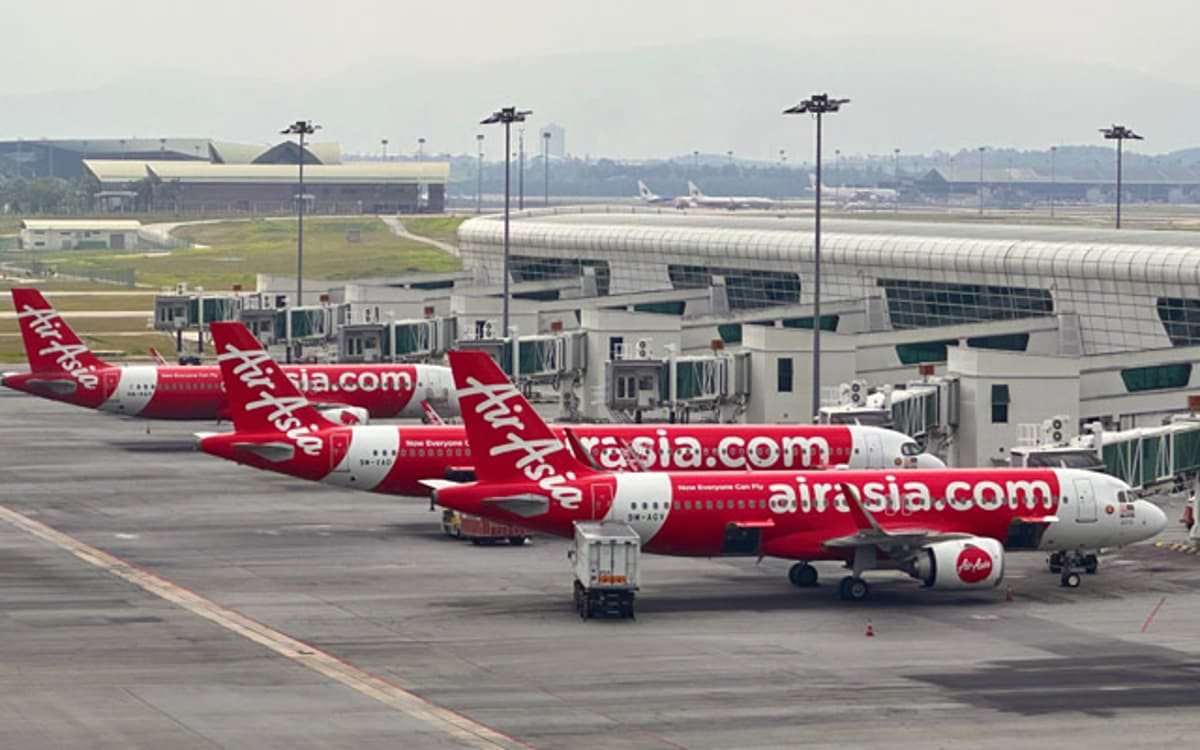
Fuel Shock Hits Asian Carriers, Threatens Intra-Asia Travel
Why It Matters
The fuel shock threatens the profitability of thin‑margin Asian carriers and jeopardizes the tourism‑driven economies that rely on dense intra‑Asia connectivity, potentially reshaping the region’s airline landscape.
Key Takeaways
- •Asian carriers cut up to 35% domestic capacity due to fuel shock
- •Low‑cost airlines raise fares up to 40% amid jet‑fuel surge
- •Intra‑Asia travel could lose 20%‑30% connectivity this summer
- •Weak hedging leaves Asian airlines more exposed than Europe
- •Consolidation and direct long‑haul routes may accelerate post‑crisis
Pulse Analysis
The current jet‑fuel crisis stems from the geopolitical fallout of the Strait of Hormuz blockade, which chokes roughly 21% of the world’s seaborne oil flow. Asian airlines, unlike many Western counterparts, lack robust fuel‑hedging programs, so the jump from $85 to near $200 per barrel hits operating costs directly. This exposure forces carriers to trim schedules, add fuel stops, and, in some cases, suspend entire routes, creating a ripple effect across the region’s aviation network.
Intra‑Asia travel, the backbone of the region’s tourism sector, is especially vulnerable. With 68% of inbound visitors originating from neighboring markets, the abrupt reduction of flights—some carriers cutting 20% to 30% of capacity—will depress passenger volumes, strain hotels and tour operators, and push price‑sensitive travelers away as low‑cost carriers hike fares by up to 40%. The timing coincides with peak travel months, amplifying revenue losses for airlines already operating on thin three‑percent margins.
Long‑term, the fuel shock could reshape the Asian airline ecosystem. Industry analysts anticipate consolidation among weaker players and a strategic pivot toward direct long‑haul services that bypass Gulf hubs. Airlines equipped with fuel‑efficient aircraft such as the A321XLR or A350‑1000—Cathay Pacific, Singapore Airlines, and Qantas—gain a competitive edge, while Singapore’s Changi Airport emerges as a preferred alternative hub. However, sustained high fuel prices may still pressure even the strongest carriers, making the next 12‑18 months critical for the region’s aviation recovery.
Fuel shock hits Asian carriers, threatens intra-Asia travel
Comments
Want to join the conversation?
Loading comments...