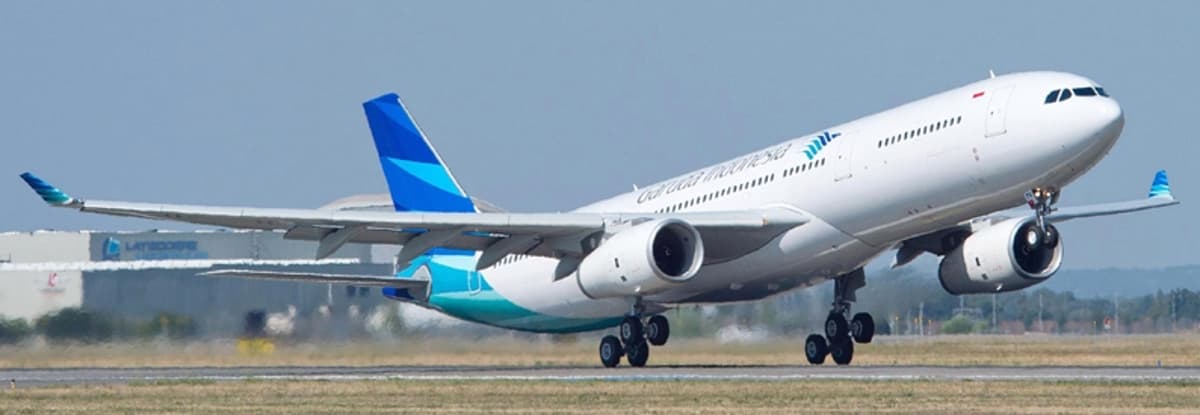
Garuda Indonesia Adds Damp Leased Widebodies for Hajj Ops
Why It Matters
The move highlights Garuda’s reliance on damp‑lease contracts to meet seasonal peak demand, boosting revenue while mitigating long‑term fleet risk and deepening regional airline partnerships.
Key Takeaways
- •Garuda needs 15 wide‑body jets for 2026 Hajj season
- •Seven aircraft are damp‑leased from Thai AirAsia X, World2Fly, Lion Air
- •102,502 pilgrims will be flown from ten Indonesian embarkation points
- •Fleet mix includes six B777‑300ERs, six A330‑300s, three A330‑900Ns
- •Outbound flights run 22 Apr‑21 May; returns scheduled 1‑30 June
Pulse Analysis
Indonesia’s annual Hajj pilgrimage is a logistical behemoth, with airlines scrambling for capacity to transport over 100,000 pilgrims. Garuda Indonesia, one of two carriers authorized for the route, has turned to a damp‑lease model—where the lessor provides aircraft and crew but the airline handles commercial operations—to quickly augment its fleet. This approach lets Garuda meet the surge without committing to permanent aircraft purchases, preserving balance‑sheet flexibility while ensuring compliance with strict Saudi aviation requirements.
The seven leased wide‑bodies come from a diverse set of partners: Thai AirAsia X supplies an A330‑300, World2Fly contributes two A330‑300s from its Portugal and Spain operations, and Lion Air adds an A330‑900N. By sourcing from both regional low‑cost carriers and European charter specialists, Garuda taps into existing maintenance and crew infrastructures, reducing integration costs. The arrangement also spreads risk; if demand fluctuates, the airline can adjust lease volumes more readily than with owned assets, while still benefiting from the premium cabin configurations required for long‑haul Hajj flights.
For the Indonesian travel market, Garoda’s strategy signals intensified competition with Saudi carrier Saudia, which also services the pilgrimage route. The expanded capacity is likely to improve load factors and generate ancillary revenue from premium services, bolstering Garuda’s post‑pandemic recovery. Looking ahead, the success of this damp‑lease model could influence future seasonal operations, such as peak tourism periods or emergency repatriations, positioning Garuda as a flexible, partnership‑driven carrier in the region.
Garuda Indonesia adds damp leased widebodies for Hajj ops
Comments
Want to join the conversation?
Loading comments...