Gen Z’s Solo‑Travel Surge Drives New Adventure‑Focused Hotel Concepts

Companies Mentioned
Why It Matters
Gen Z’s preference for solo, adventure‑focused travel reshapes demand for hotel amenities, pushing the industry toward experiential offerings that blend lodging with activity programming. This shift could increase average spend per guest and foster higher loyalty among a demographic that values community and authentic experiences over traditional luxury. For investors and operators, the trend signals a need to reallocate capital toward partnerships with local adventure providers, redesign property layouts to encourage social interaction, and develop digital matchmaking tools that connect solo travelers. Failure to adapt may result in lost market share to niche operators already catering to this emerging demand.
Key Takeaways
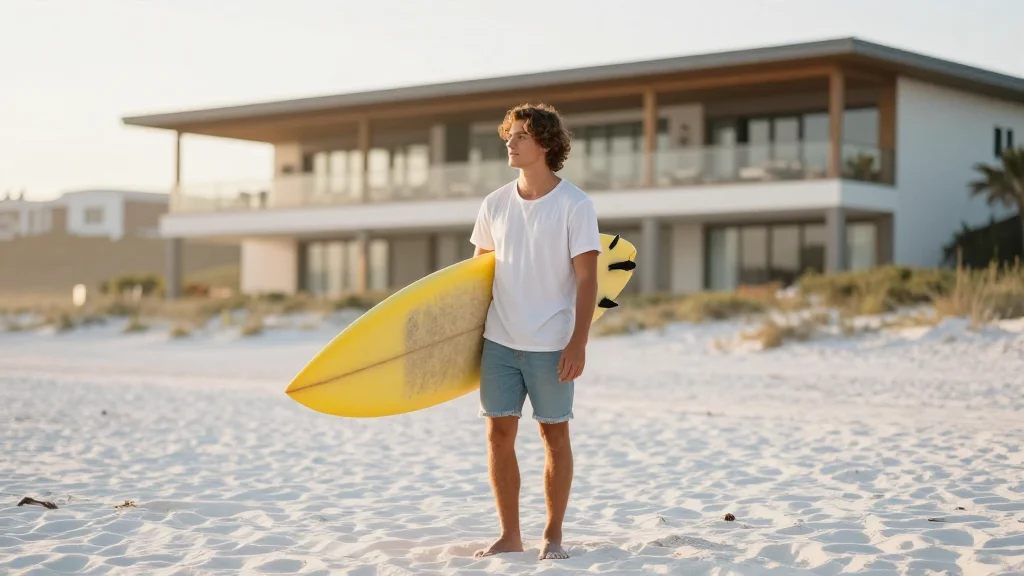
- •Gen Z travelers prioritize adventure sports and built‑in community, as shown by a Bali surf camp with 30 solo guests.
- •Bank of America data shows Gen Z travel spend growing faster than the overall population.
- •BCG 2025 report names millennials and Gen Z the most influential travelers globally.
- •Hotels are piloting activity‑based packages and community‑first floor plans to capture this market.
- •Analysts predict higher average daily revenue for hotels that bundle high‑margin activities with room rates.
Pulse Analysis
The Bali surf camp narrative underscores a fundamental change in how young travelers define value. Historically, hotels competed on price, location and traditional amenities. Today, the decisive factor for Gen Z is the promise of an experience that can be shared instantly with peers, even when traveling alone. This mirrors the rise of co‑living and co‑working spaces, where the social fabric is woven into the physical environment.
From a competitive standpoint, legacy hotel chains face a strategic dilemma: retrofit existing properties with activity infrastructure or partner with agile boutique operators that already excel at curating niche experiences. Early adopters who can seamlessly integrate surf lessons, guided treks or wellness workshops into their booking platforms will likely command premium pricing and enjoy stronger brand affinity among younger guests.
Looking ahead, the convergence of travel tech and community building will be pivotal. AI‑driven matchmaking apps that pair solo guests with similar interests could become a standard amenity, turning a hotel lobby into a networking hub. Moreover, as climate‑concerned Gen Zers seek sustainable adventure options, hotels that embed eco‑friendly practices into their activity offerings will differentiate themselves further. In sum, the surf camp insight is a bellwether: the hotels that evolve from static rooms to dynamic experience ecosystems will thrive in the next decade.
Gen Z’s Solo‑Travel Surge Drives New Adventure‑Focused Hotel Concepts
Comments
Want to join the conversation?
Loading comments...