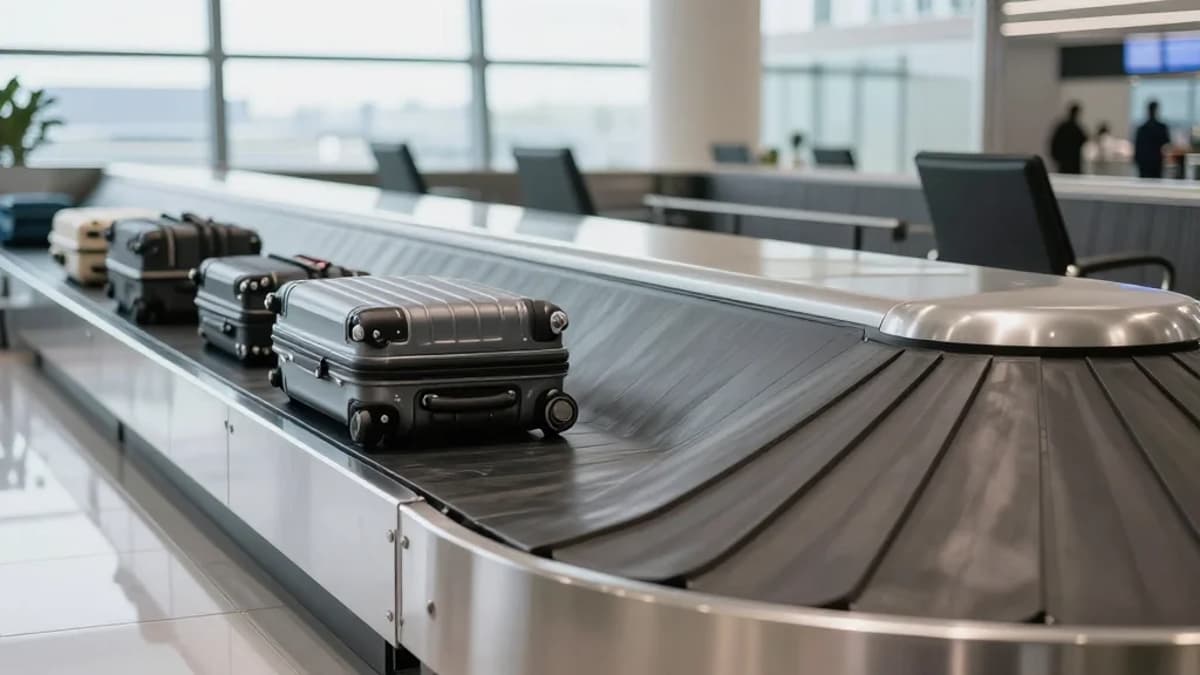
Gilmore, Daifuku and ICM Partner to Install Concourse A Baggage Handling System at Denver International Airport
•March 3, 2026
0
Why It Matters
Automating Concourse A’s baggage flow will increase operational reliability and support Denver International Airport’s aggressive passenger‑growth targets, setting a benchmark for airport infrastructure modernization.
Key Takeaways
- •Gilmore leads as general contractor for DEN Concourse A
- •Daifuku supplies and integrates advanced baggage handling technology
- •ICM installs thousands of feet of conveyor and makeup units
- •Project slated for completion Q2 2027, enhancing automation
- •Supports DEN’s target of 100 million passengers by 2030
Pulse Analysis
Denver International Airport’s ongoing expansion hinges on sophisticated material‑handling solutions that can keep pace with rising traveler volumes. Modern baggage handling systems (BHS) like Daifuku’s combine high‑speed conveyors, automated sorting, and real‑time tracking to streamline the journey from check‑in to aircraft. As airports worldwide grapple with capacity constraints, integrating such technology becomes a competitive differentiator, reducing mishandled bags and turnaround times while improving the passenger experience. The Concourse A project reflects a broader industry shift toward end‑to‑end automation, leveraging data analytics and IoT sensors to anticipate bottlenecks before they materialize.
The three‑party collaboration showcases how specialized expertise can accelerate complex infrastructure delivery. Gilmore Construction, a leading minority‑owned general contractor, oversees site logistics and phased construction, ensuring structural integrity and schedule adherence. Daifuku, a global leader in material‑handling, provides the OEM‑grade BHS platform, customizing it for DEN’s unique layout and future scalability. ICM contributes its mechanical prowess, installing extensive conveyor networks and eight makeup units that will feed the new sorting logic. Early BIM modeling uncovered a constructability conflict, prompting a rapid redesign that saved weeks of work—a testament to the value of digital twins in large‑scale airport projects.
When operational in 2027, the automated system is expected to cut baggage errors by a measurable margin and increase throughput, directly supporting DEN’s ambition to handle 100 million passengers by 2030. The upgrade also positions the airport as a testbed for next‑generation logistics, potentially attracting airlines seeking reliable ground operations. For the broader aviation sector, the partnership underscores the importance of integrating construction, engineering, and technology firms to deliver resilient, future‑proof airport infrastructure.
Gilmore, Daifuku and ICM Partner to Install Concourse A Baggage Handling System at Denver International Airport
0
Comments
Want to join the conversation?
Loading comments...