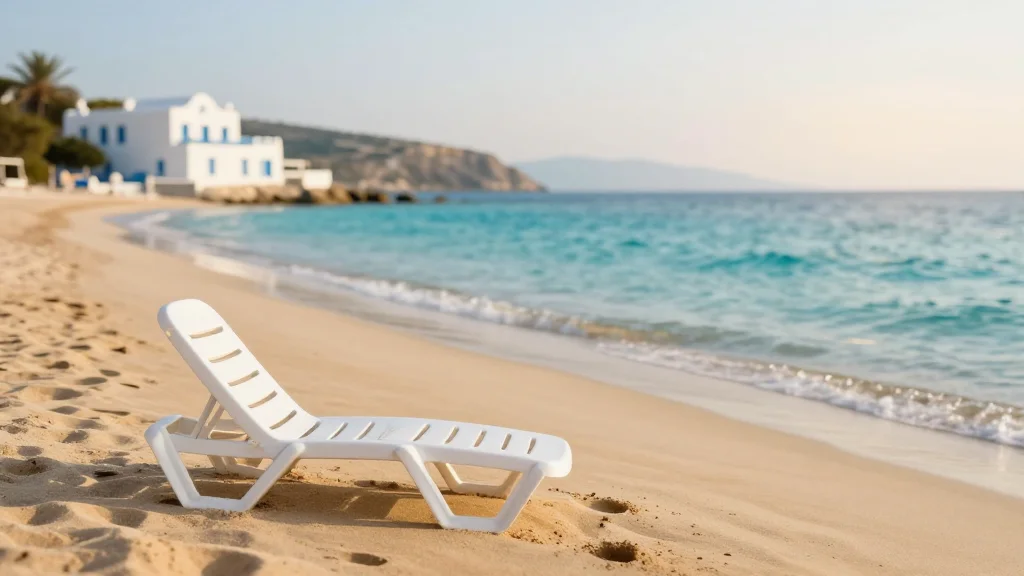
Greece Expands Beach Ban, Adding 13 Sites to Protect 251 Untrodden Shores

Why It Matters
The expansion of Greece's "Untrodden Beaches" regime directly influences the Mediterranean hotel sector, where summer occupancy drives a substantial share of annual revenue. By limiting beach‑side amenities, the policy could reshape traveler preferences, prompting a shift toward higher‑value lodging and alternative destinations. The move also signals a broader European trend of using environmental regulation to manage overtourism, potentially prompting other coastal nations to adopt similar safeguards that would affect regional hotel markets. For investors and operators, understanding how regulatory constraints affect demand elasticity is crucial. Hotels that can pivot to eco‑tourism narratives or diversify their offerings may capture new market segments, while those heavily dependent on mass‑market beach traffic could see revenue compression. The policy thus creates both risk and opportunity within the hospitality landscape, making strategic adaptation a priority for stakeholders.
Key Takeaways
- •Greek government bans sunbeds, umbrellas and commercial beach structures at 13 new sites, raising protected beaches to 251.
- •The amendment prohibits concessions, permanent structures, motor‑vehicle access and any activity that alters beach geomorphology.
- •Record‑breaking summer visitor numbers have pressured hotels and local services on popular islands.
- •Potential shift in hotel demand from low‑cost, high‑density properties to boutique and eco‑focused resorts.
- •Enforcement starts this summer; penalties include fines and license revocation, with a policy review planned for early 2027.
Pulse Analysis
Greece's aggressive beach protection strategy reflects a growing recognition that overtourism can erode the very assets that attract visitors. By targeting the low‑margin, high‑volume segment of beach tourism, the policy nudges the market toward higher‑value experiences that align with sustainability goals. Hotels that have already invested in green certifications, local cultural programming, or off‑beach amenities stand to benefit, as they can market themselves as the responsible alternative to crowded sun‑deck resorts.
Historically, Mediterranean destinations have relied on a volume‑driven model, with sunbeds and umbrellas serving as low‑cost attractors for budget travelers. The Greek ban disrupts this formula, forcing operators to reconsider pricing, occupancy forecasts, and ancillary revenue streams such as beach‑side food and beverage sales. In the short term, we may see a dip in occupancy for budget hotels on islands where the ban is most visible, but the longer‑term effect could be a healthier, more resilient tourism ecosystem that commands higher average daily rates.
Regionally, Greece's move may act as a catalyst for similar regulations across the EU, especially in countries where Natura 2000 sites intersect with popular tourist beaches. If other governments adopt comparable bans, the cumulative impact on the Mediterranean hotel market could be significant, reshaping supply chains, marketing strategies, and investment decisions. Stakeholders should monitor occupancy data, guest sentiment, and regulatory developments closely, as the next few summer seasons will reveal whether environmental stewardship can coexist with profitable hospitality operations.
Greece Expands Beach Ban, Adding 13 Sites to Protect 251 Untrodden Shores
Comments
Want to join the conversation?
Loading comments...