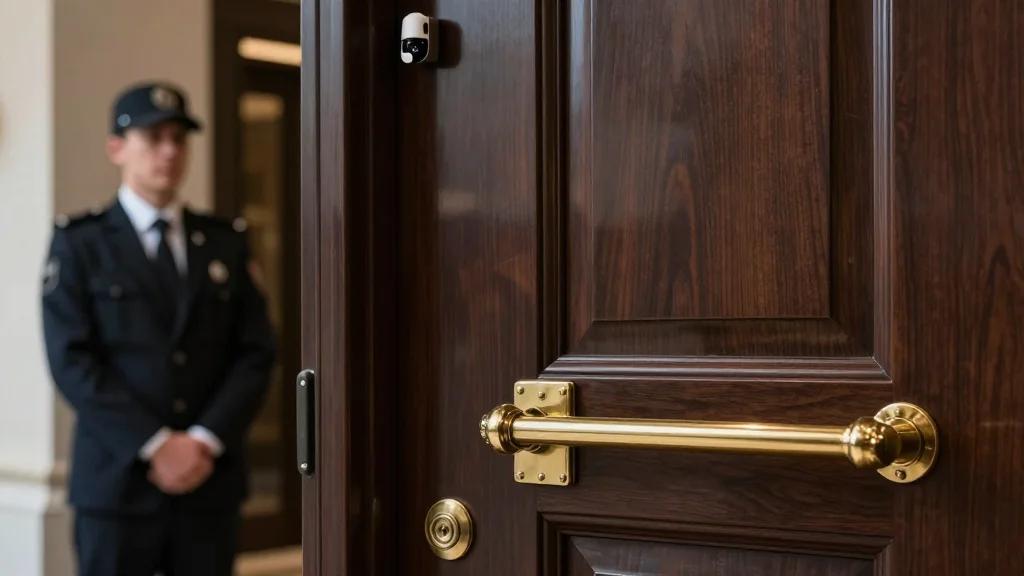
Gunfire at Washington Hilton Forces Evacuation of President Trump, Sparks Hotel Security Overhaul

Why It Matters
The shooting at the Washington Hilton spotlights a critical vulnerability in the hospitality industry: the intersection of high‑profile events and public safety. Hotels that regularly host political gatherings, award ceremonies, or celebrity functions now confront heightened expectations from guests, insurers, and regulators to prevent similar breaches. A failure to adapt could lead to costly lawsuits, loss of brand reputation, and stricter governmental oversight. Beyond the immediate safety concerns, the incident may reshape how hotels allocate capital toward security infrastructure. Upgrades such as biometric screening, AI‑driven threat detection, and expanded on‑site tactical teams could become standard, driving a new wave of investment in the sector. Moreover, the event could influence insurance premiums for venues that host large political or media events, reshaping the economics of event hosting across the United States.
Key Takeaways
- •Gunman Cole Tomas Allen, 31, breached Washington Hilton security checkpoint with shotgun, handgun and knives
- •President Trump, First Lady, Vice President and ~2,600 guests evacuated; one Secret Service officer injured but survived thanks to a vest
- •The Washington Hilton, known for the 1981 Reagan assassination attempt, faces renewed security scrutiny
- •White House Correspondents’ Dinner to be rescheduled within 30 days after the incident
- •Industry experts predict accelerated investment in advanced screening and on‑site tactical resources for hotels
Pulse Analysis
The Washington Hilton shooting is more than a headline‑grabbing security lapse; it is a catalyst that could redefine risk management for the entire hospitality sector. Historically, hotels have relied on a combination of private security and local police to safeguard events, but the speed and proximity of the breach reveal gaps in that model. The fact that the shooter reached a magnetometer checkpoint before being neutralized suggests that current screening technologies may be insufficient against determined attackers armed with multiple weapons.
In the short term, we can expect a surge in demand for next‑generation security solutions. Companies specializing in AI‑driven video analytics, facial recognition, and rapid‑deployment tactical units are likely to see a spike in contracts from hotel chains and event venues. This shift mirrors the post‑9/11 overhaul of airport security, where technology and procedural rigor became non‑negotiable. However, hotels must balance heightened security with the guest experience; overly intrusive measures could deter the very clientele they aim to protect.
Long‑term, the incident may prompt regulatory bodies to issue new guidelines for venues that host high‑profile gatherings. The Department of Homeland Security could introduce mandatory threat‑assessment protocols, similar to those applied to stadiums and concert halls. Hotels that proactively adopt these standards may gain a competitive edge, positioning themselves as safe havens for political and celebrity events. Conversely, those that lag could face higher insurance costs, legal exposure, and reputational damage. The Washington Hilton case thus serves as a warning bell, urging the industry to treat security as a core component of operational strategy rather than an afterthought.
Gunfire at Washington Hilton Forces Evacuation of President Trump, Sparks Hotel Security Overhaul
Comments
Want to join the conversation?
Loading comments...