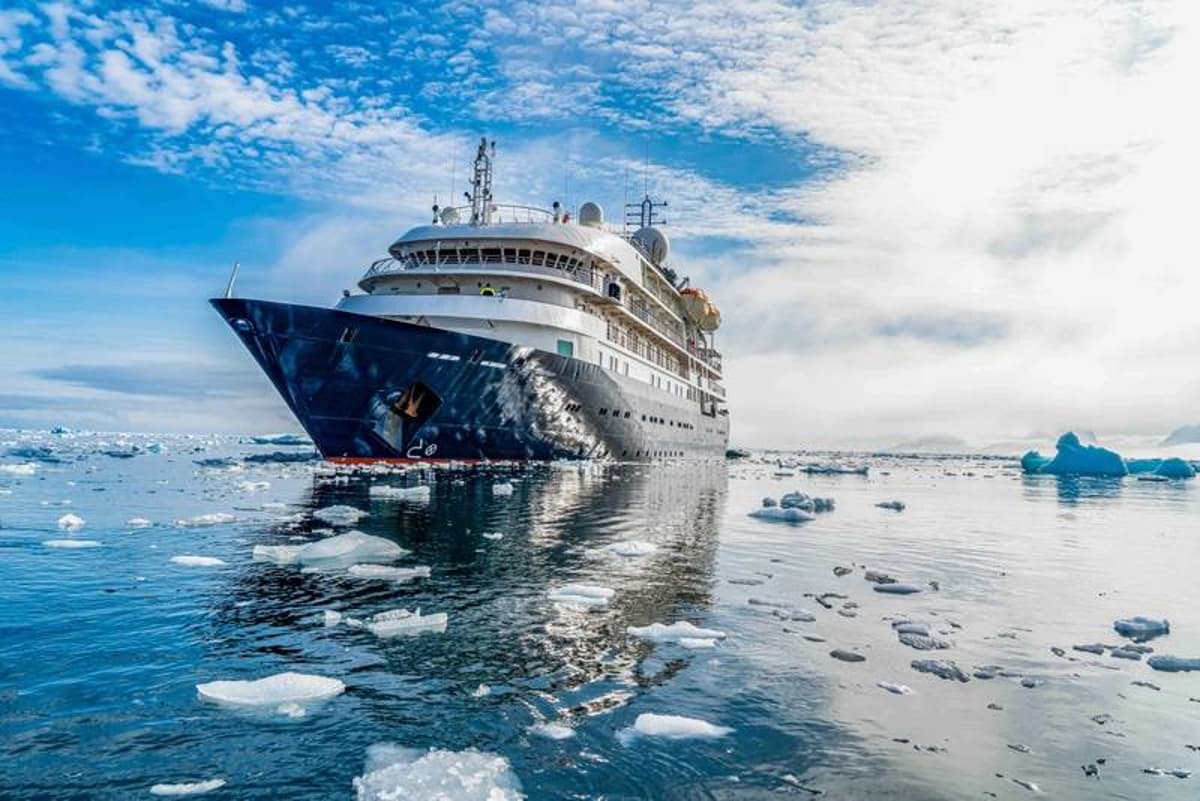
Hantavirus-Infected Cruise Ship Part of Antarctic Tourism Trend
Why It Matters
The incident highlights the health and ecological vulnerabilities of a rapidly expanding tourism market, pressuring governments to strengthen oversight before environmental damage becomes irreversible.
Key Takeaways
- •Hantavirus killed three on Dutch cruise to Antarctica
- •Visitor numbers rose from 37k to 117k (2015‑2025)
- •Experts warn tourism growth outpaces regulatory framework
- •Nations to discuss tighter Antarctic tourism safeguards in Japan
- •IAATO plans stricter health protocols after disease outbreaks
Pulse Analysis
Antarctic tourism has transformed from a niche adventure into a multi‑billion‑dollar industry, driven by affluent travelers seeking remote wildlife and ice‑sculpted landscapes. The sector’s growth has been exponential: visitor counts more than tripled in a decade, and forecasts suggest numbers could quadruple by 2035. This surge brings economic benefits to operators and host ports, yet it also amplifies the risk of pathogen transmission, as illustrated by the recent hantavirus outbreak on the *Hondius*. The disease’s rapid spread among passengers underscores gaps in medical preparedness and the potential for similar events to affect fragile polar ecosystems.
Regulatory oversight in Antarctica remains a patchwork of treaty provisions, industry‑self‑imposed standards, and national permits. The Antarctic Treaty System mandates environmental impact assessments and basic health guidelines, but enforcement largely rests with bodies like the International Association of Antarctica Tour Operators (IAATO). With 29 nations convening in Japan, policymakers are weighing proposals ranging from mandatory entrance fees—mirroring models in Venice and the Galápagos—to unified medical protocols and stricter bio‑security measures. Industry leaders argue that existing IAATO rules are science‑based, yet recent disease incidents have prompted calls for a more centralized, enforceable framework.
Beyond human health, the ecological stakes are high. Antarctic wildlife already faces pressure from climate change, and the introduction of invasive species or pathogens could destabilize already vulnerable populations. Conservationists warn that increased foot traffic and equipment contamination erode natural safeguards, potentially leading to irreversible biodiversity loss. Balancing tourism revenue with preservation will require transparent, data‑driven limits on visitor numbers, robust disinfection procedures, and funding mechanisms—such as the suggested entrance fees—to support ongoing conservation research and response capacity. The upcoming treaty discussions will be pivotal in shaping a sustainable path forward for polar tourism.
Hantavirus-Infected Cruise Ship Part of Antarctic Tourism Trend
Comments
Want to join the conversation?
Loading comments...