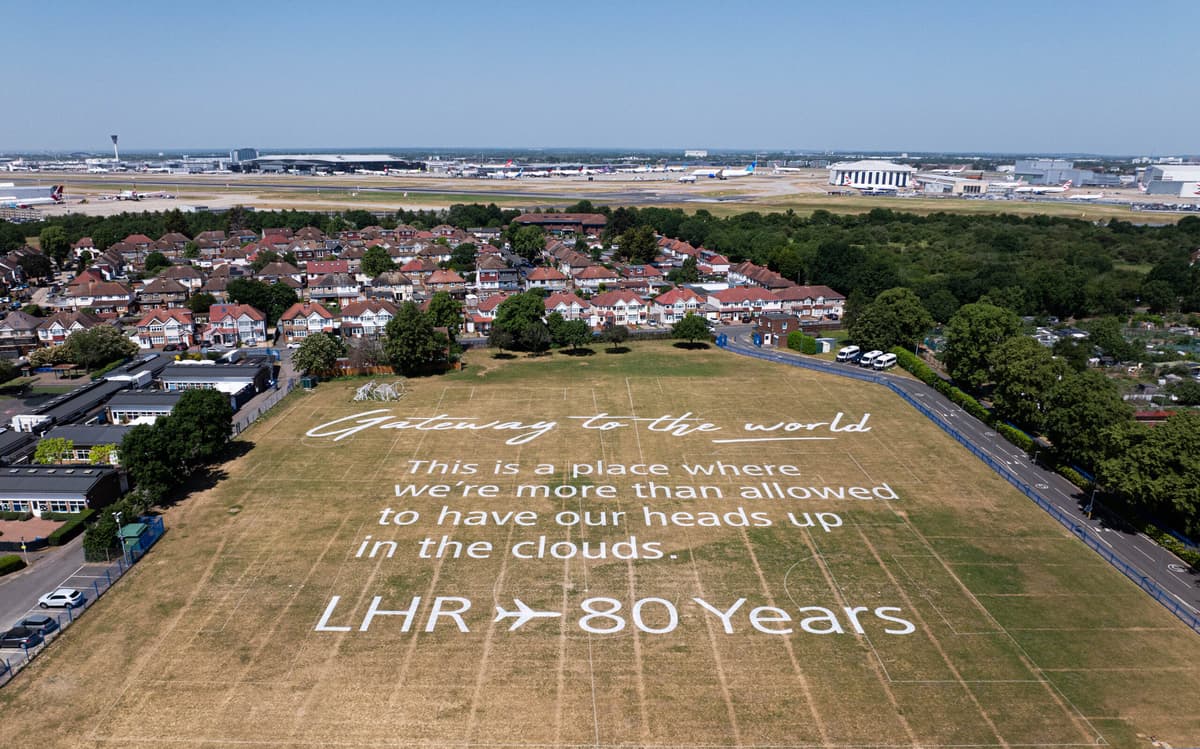
Heathrow Marks 80th Birthday with Busiest May Day on Record
Companies Mentioned
Why It Matters
The record traffic underscores Heathrow’s role as the UK’s sole hub, but capacity limits and regulatory delays threaten future growth and economic connectivity.
Key Takeaways
- •22 May saw 262,000 passengers, record busiest May day.
- •May traffic fell 1% YoY, still over 7.1 million travelers.
- •Heathrow has handled nearly 3 billion passengers since 1946.
- •Upgrades include T4 car park, T2 assistance area, autonomous wheelchairs.
- •CEO warns capacity limits risk growth without CAA‑approved investment.
Pulse Analysis
Heathrow’s 80‑year milestone arrives at a pivotal moment for the UK’s aviation landscape. Despite a modest 1% dip in May passenger volumes, the airport moved more than 7.1 million people, and a single day set a new record with 262,000 travelers. Those figures highlight the airport’s entrenched position as a global gateway, handling close to three billion passengers since its inaugural flight in 1946. The data also signals robust demand ahead of the summer peak, reinforcing Heathrow’s importance to tourism, trade and business travel.
The surge in demand collides with a stark capacity challenge. Heathrow’s chief executive, Thomas Woldbye, warned that the airport is operating at full capacity and that any delay by the Civil Aviation Authority (CAA) in approving new investment could jeopardise the UK’s only hub airport. With the government emphasizing growth, the tension between private‑funded expansion plans and regulatory approval becomes a critical factor for future slot availability, airline competition and the nation’s connectivity to global markets. Industry observers note that unresolved capacity constraints could push carriers to diversify routes to secondary airports, diluting Heathrow’s hub advantage.
In response, Heathrow is rolling out a suite of infrastructure upgrades aimed at improving the passenger experience and laying groundwork for longer‑term expansion. Projects include a major refurbishment of Terminal 4 car parks, an enhanced assistance area in Terminal 2 for travelers with reduced mobility, and a pioneering trial of autonomous wheelchairs in Terminal 3—the first of its kind in a UK airport. These initiatives signal a shift toward technology‑driven service improvements while the airport continues to lobby for the regulatory green light needed to unlock new capacity. If approved, the upgrades could bolster Heathrow’s competitiveness and sustain its role as a linchpin of the UK’s transport network.
Heathrow Marks 80th Birthday with Busiest May Day on Record
Comments
Want to join the conversation?
Loading comments...