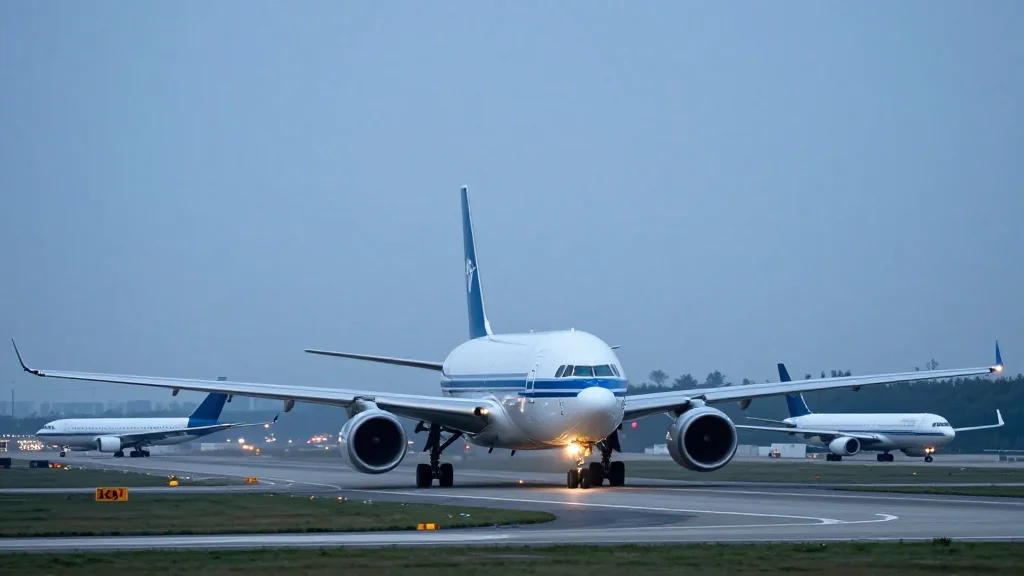
Heathrow Traffic Adversely Impacted by Middle East Conflict
Companies Mentioned
Why It Matters
The slowdown shows how quickly geopolitical tensions can erode traffic at a major hub, forcing airlines and regulators to rethink capacity and pricing ahead of the summer travel season.
Key Takeaways
- •April passenger count fell 5% to 6.7 million.
- •Aircraft movements dropped 4.6% year‑on‑year.
- •Cargo tonnage grew 1% to 129,912 tonnes.
- •Transfer passengers up 10% despite overall decline.
- •2026 forecast to be revised in June.
Pulse Analysis
The ongoing conflict in the Middle East has rippled through global travel patterns, and Heathrow—Europe’s busiest international gateway—has felt the first tremors. Travelers from regions directly involved are postponing or rerouting trips, while airlines grapple with uncertain slot allocations and fuel‑price volatility. For a hub that relies on a delicate balance of long‑haul and connecting flights, even a modest shift in demand can reverberate across its network, prompting heightened scrutiny from regulators and governments alike.
In April, Heathrow handled 6.7 million passengers, a 5% dip from a year earlier, and recorded 38,496 aircraft movements, down 4.6%. Yet the airport’s cargo operations bucked the trend, climbing 1% to 129,912 tonnes, reflecting sustained freight demand amid supply‑chain pressures. More encouraging is the 10% surge in transfer passengers, indicating that connecting traffic remains robust as travelers exploit Heathrow’s extensive Asia‑Oceania links. The mixed performance underscores the airport’s resilience: while point‑to‑point leisure travel contracts, business and transit flows continue to generate revenue.
Looking ahead, Heathrow’s decision to revisit its 2026 passenger forecast in June signals a cautious approach. Airlines may adjust capacity, re‑allocate slots, or introduce flexible fare structures to capture lingering demand while hedging against further geopolitical shocks. For the UK tourism sector, the outlook hinges on the speed of conflict de‑escalation and the confidence of holidaymakers planning summer trips. Stakeholders across the aviation ecosystem will be watching the revised forecast closely, as it will shape investment, staffing, and infrastructure planning for the coming years.
Heathrow traffic adversely impacted by Middle East conflict
Comments
Want to join the conversation?
Loading comments...