Hilton Launches 251‑Room Adelaide East End Hotel Amid $2,161‑Room Development Surge

Companies Mentioned
Why It Matters
The Adelaide hotel boom reshapes South Australia’s economic landscape by diversifying revenue streams beyond traditional sectors like mining and agriculture. Increased room supply aligns with the state’s strategy to capture higher‑spending tourists, particularly those attending international sporting events and conferences, thereby boosting ancillary spending on dining, retail, and transport. Moreover, the influx of foreign and domestic capital signals confidence in the region’s regulatory environment and infrastructure readiness. Successful execution of these projects could inspire similar development cycles in other Australian secondary cities, reinforcing a national trend toward decentralised tourism growth.
Key Takeaways
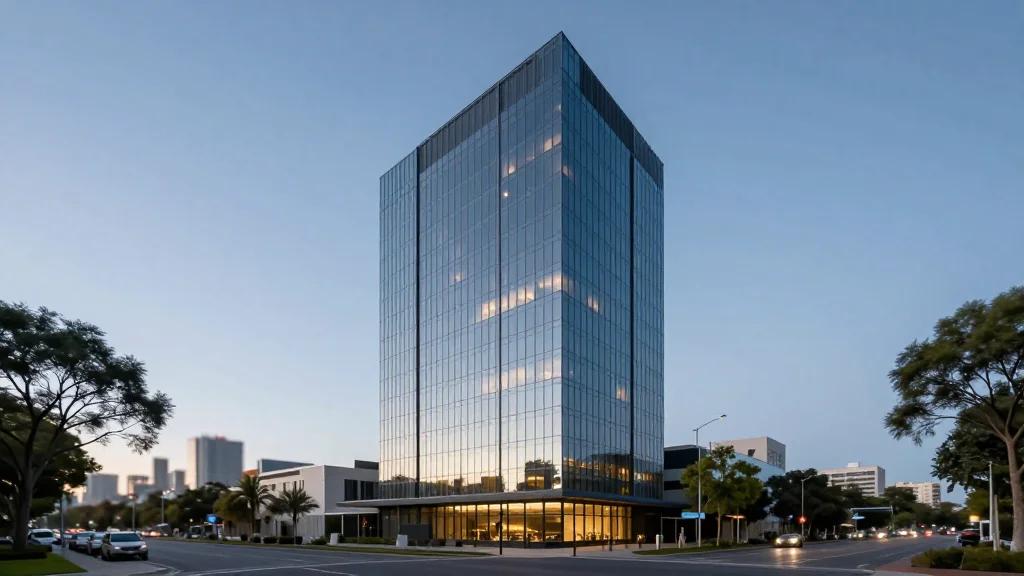
- •Hilton Adelaide East End: 251 rooms, 27 stories, franchise with Auriga Investments, operated by Trilogy Hotels.
- •Adelaide’s hotel pipeline: 15 projects delivering 2,161 new rooms, a ~30% increase in inventory.
- •Treehouse Hotel: 35‑storey, slated for completion by end‑2026, located next to Adelaide Central Market.
- •Amora Hotels’ $40 million (≈ $26 million USD) upgrade of Hilton Victoria Square signals luxury push.
- •Over 1,500 hotel investors gathered for the Asia Pacific Hotel Industry Conference in Adelaide.
Pulse Analysis
Adelaide’s rapid hotel expansion reflects a strategic pivot toward experience‑driven tourism. By aligning new supply with marquee events like MotoGP and a robust conference calendar, the state is leveraging high‑visibility occasions to justify large‑scale capital commitments. The Hilton East End, positioned within a mixed‑use precinct, exemplifies a trend toward integrating hospitality with residential, retail, and office functions, creating synergies that can sustain foot traffic beyond peak event periods.
Historically, Australian secondary cities have struggled to attract sustained hotel investment due to limited demand elasticity. Adelaide’s current trajectory suggests that a combination of government incentives, event‑driven demand, and confidence from international operators can overcome that inertia. The $40 million upgrade of an existing Hilton underscores a willingness to invest not just in new builds but also in elevating existing assets to meet luxury expectations, a move that could lift average daily rates across the market.
Looking forward, the key risk lies in demand forecasting. If event calendars falter or global travel patterns shift, the newly added 2,161 rooms could face oversupply pressures. However, the diversified nature of the pipeline—spanning boutique, mid‑scale, and luxury segments—provides a buffer. Successful integration of these hotels into Adelaide’s broader tourism ecosystem will likely hinge on coordinated marketing, seamless transport links, and continued government support for events that draw international visitors.
Hilton Launches 251‑Room Adelaide East End Hotel Amid $2,161‑Room Development Surge
Comments
Want to join the conversation?
Loading comments...