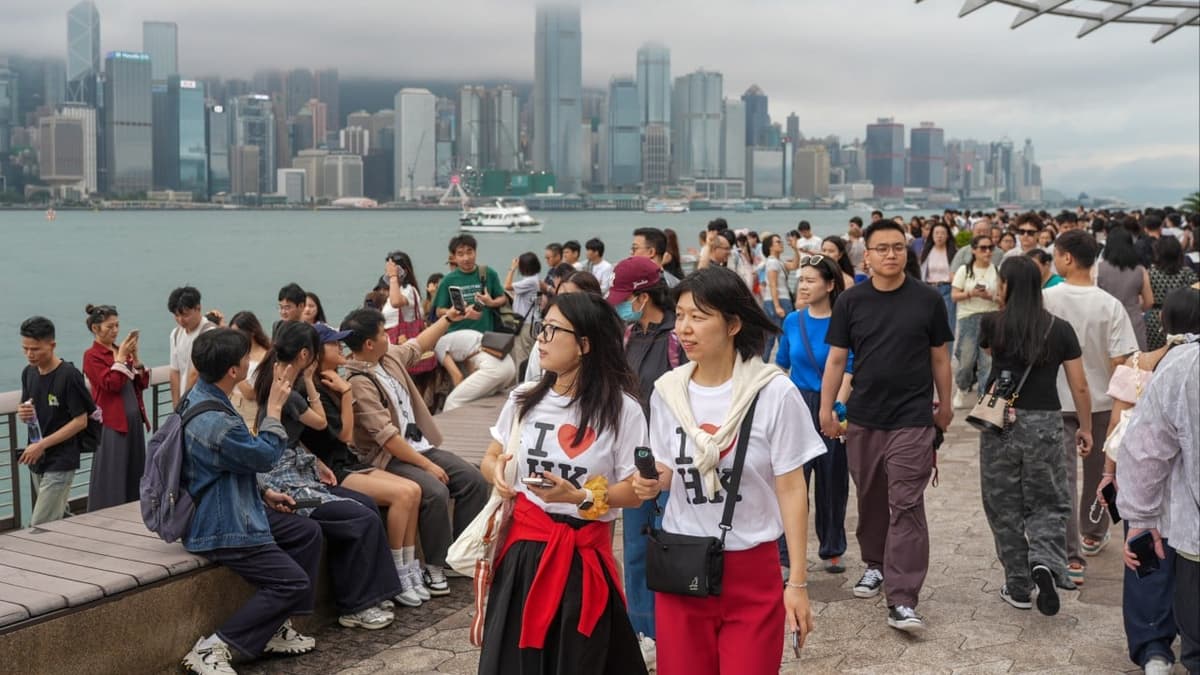
Hong Kong Must Diversify and Adapt to Changing Tourism Market
Why It Matters
The data reveals Hong Kong’s over‑reliance on mainland tourists and the fiscal strain on local hospitality, prompting a strategic pivot to more profitable, diversified visitor sources.
Key Takeaways
- •Mainland arrivals rose 15% during Easter break.
- •Hong Kong locals made 1.7 million outbound trips.
- •Catering sector lost 6‑7% revenue over holiday.
- •Overseas visitors up 8% YoY, reaching 2 million.
- •Tourism strategy shifting toward Southeast Asia, Europe, Middle East.
Pulse Analysis
Hong Kong’s tourism landscape is at a crossroads, as recent Easter‑time travel data expose a dual trend: robust growth in mainland arrivals and an unprecedented exodus of local residents. Immigration figures show mainland visitors increasing from roughly 287,000 to over 331,000—a 15% jump—while 1.7 million Hongkongers left the city, favoring high‑speed rail for safety and cost reasons amid regional tensions. This outbound surge directly pressured the city’s hospitality sector, with restaurants reporting a 6‑7% revenue contraction over the five‑day holiday.
The immediate fallout for local businesses is stark. Hotels and eateries, traditionally buoyed by inbound tourism, now face a shrinking domestic market as residents opt for nearby mainland getaways. The catering industry’s dip underscores a broader vulnerability: reliance on a single visitor segment can amplify economic shocks. Consequently, Hong Kong’s tourism authorities are accelerating diversification efforts, targeting markets that promise longer stays and higher spend per visitor. Early results are promising—overseas arrivals climbed 8% year‑on‑year, topping two million in the first two months of the year—signaling appetite from Southeast Asia, Europe and the Middle East.
Strategically, Hong Kong must re‑engineer its value proposition. Beyond expanding promotional campaigns, the city should invest in niche experiences—culinary tourism, cultural festivals, and eco‑adventures—that resonate with high‑spending travelers. Strengthening visa facilitation, enhancing digital booking platforms, and forging partnerships with regional airlines can further boost accessibility. By broadening its visitor base and elevating service quality, Hong Kong can mitigate the volatility of geopolitics and secure a more resilient, high‑value tourism economy.
Hong Kong must diversify and adapt to changing tourism market
Comments
Want to join the conversation?
Loading comments...