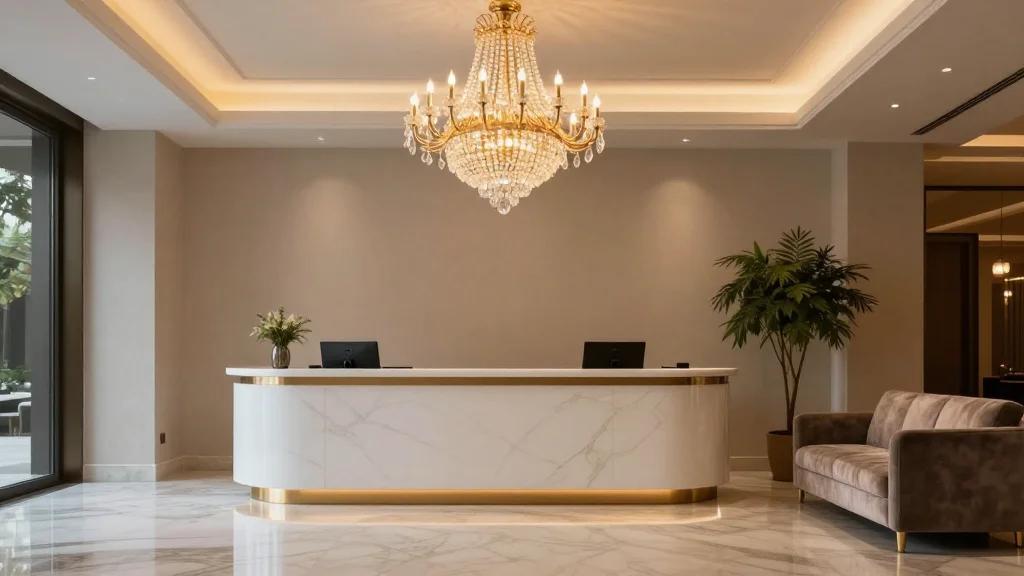
Hospitality Lighting Enhances Guest Rooms & Public Spaces
Why It Matters
Effective lighting directly influences guest satisfaction, brand perception, and on‑property spend while delivering measurable cost reductions through energy efficiency.
Key Takeaways
- •Warm lobby lighting boosts first‑impression satisfaction and brand perception
- •Layered lighting (ambient, task, accent) balances aesthetics with functionality
- •Smart, dimmable controls let guests personalize room ambiance, increasing dwell time
- •LED sensor systems cut hotel energy use up to 50%
- •Durable fixtures lower maintenance costs and extend asset lifespan
Pulse Analysis
In hospitality, lighting has evolved from a decorative afterthought to a core element of the guest journey. Warm, well‑placed illumination in lobbies creates an immediate sense of welcome, reinforcing brand values and encouraging positive online reviews. By layering ambient, task, and accent lighting, hotels can tailor each zone to its function—whether guiding traffic in corridors, highlighting artwork, or providing focused illumination for workspaces—thereby enhancing comfort without sacrificing operational efficiency.
The rise of smart lighting platforms gives hotels a powerful lever for personalization and sustainability. Guest‑controlled dimming and color‑temperature adjustments turn rooms into adaptable environments that cater to business travelers, families, or wellness‑focused guests. Integrated occupancy sensors and daylight harvesting further reduce electricity consumption, with modern LED systems delivering up to 50% lower energy use compared to legacy fixtures. These technologies not only lower utility bills but also align with the growing eco‑conscious expectations of travelers, strengthening a property’s green credentials.
Choosing the right lighting supplier is a strategic investment. Durable, modular fixtures minimize replacement cycles and maintenance labor, preserving capital over the asset’s lifespan. Suppliers that offer scalable, wireless control architectures enable future upgrades—such as AI‑driven scene programming—without costly retrofits. As the hospitality sector increasingly prioritizes experience‑driven differentiation, lighting that blends aesthetic impact, operational savings, and technological flexibility becomes a decisive competitive advantage.
Hospitality Lighting Enhances Guest Rooms & Public Spaces
Comments
Want to join the conversation?
Loading comments...