Hotels News and Headlines
  • All Technology
  • AI
  • Autonomy
  • B2B Growth
  • Big Data
  • BioTech
  • ClimateTech
  • Consumer Tech
  • Crypto
  • Cybersecurity
  • DevOps
  • Digital Marketing
  • Ecommerce
  • EdTech
  • Enterprise
  • FinTech
  • GovTech
  • Hardware
  • HealthTech
  • HRTech
  • LegalTech
  • Nanotech
  • PropTech
  • Quantum
  • Robotics
  • SaaS
  • SpaceTech
AllNewsDealsSocialBlogsVideosPodcastsDigests

Hotels Pulse

EMAIL DIGESTS

Daily

Every morning

Weekly

Sunday recap

NewsDealsSocialBlogsVideosPodcasts
HotelsNewsHow Indian Travel Tech Bought Its Way Into the West’s Backyard
How Indian Travel Tech Bought Its Way Into the West’s Backyard
PropTechHotels

How Indian Travel Tech Bought Its Way Into the West’s Backyard

•February 18, 2026
0
Skift – Technology
Skift – Technology•Feb 18, 2026

Companies Mentioned

RateGain

RateGain

RATEGAIN

ixigo

ixigo

IXIGO

Prosus

Prosus

PRX

Why It Matters

The acquisitions give Indian firms immediate scale and AI‑ready infrastructure, reshaping competition for Western travel‑tech incumbents and influencing market dynamics worldwide.

Key Takeaways

  • •Indian travel tech spent nearly $1B on global acquisitions
  • •Prism, RateGain, TBO Tek, Ixigo lead expansion
  • •Acquisitions target B2B, OTA, hospitality infrastructure
  • •Strong balance sheets and IPO capital fuel deals
  • •Strategy focuses on AI‑resilient assets abroad

Pulse Analysis

The past eighteen months have seen Indian travel‑technology firms deploy close to a billion dollars in cross‑border acquisitions, a pace that dwarfs any single Western competitor’s recent activity. Backed by robust balance sheets, recent IPO proceeds and strategic investments from global venture capital, companies such as Prism (formerly Oyo), RateGain, TBO Tek and Ixigo have bought hotels, OTA platforms and data‑analytics providers across the United States, Europe and the Middle East. This capital‑intensive push not only expands their geographic footprint but also gives them immediate access to mature distribution networks and established brand portfolios.

The acquisition strategy is deliberately focused on assets that remain valuable despite rapid AI‑driven changes in travel distribution. By integrating sophisticated B2B infrastructure, loyalty‑engineered OTA technology and hospitality management systems, Indian firms can embed their own AI capabilities while preserving revenue‑generating legacy platforms. This dual approach mitigates disruption risk and creates cross‑selling opportunities, allowing the newcomers to offer end‑to‑end solutions that Western incumbents struggle to match. Consequently, the deals reshape the competitive landscape, forcing legacy players to either partner or accelerate their own consolidation.

Looking ahead, the momentum is likely to continue as Indian capital markets remain eager to fund international growth and as AI adoption accelerates across the travel ecosystem. Regulators in Europe and the United States may scrutinize these deals for data‑privacy and competition concerns, but the strategic benefits—scale, technology integration, and diversified revenue streams—are compelling. For investors, the trend signals a shift in where travel‑tech innovation is sourced, positioning India as a net exporter of both capital and expertise. Stakeholders should monitor integration outcomes and potential ripple effects on pricing, service quality, and market concentration.

How Indian Travel Tech Bought Its Way Into the West’s Backyard

Rafat Ali, with AI analysis · Yesterday at 9:26 PM UTC

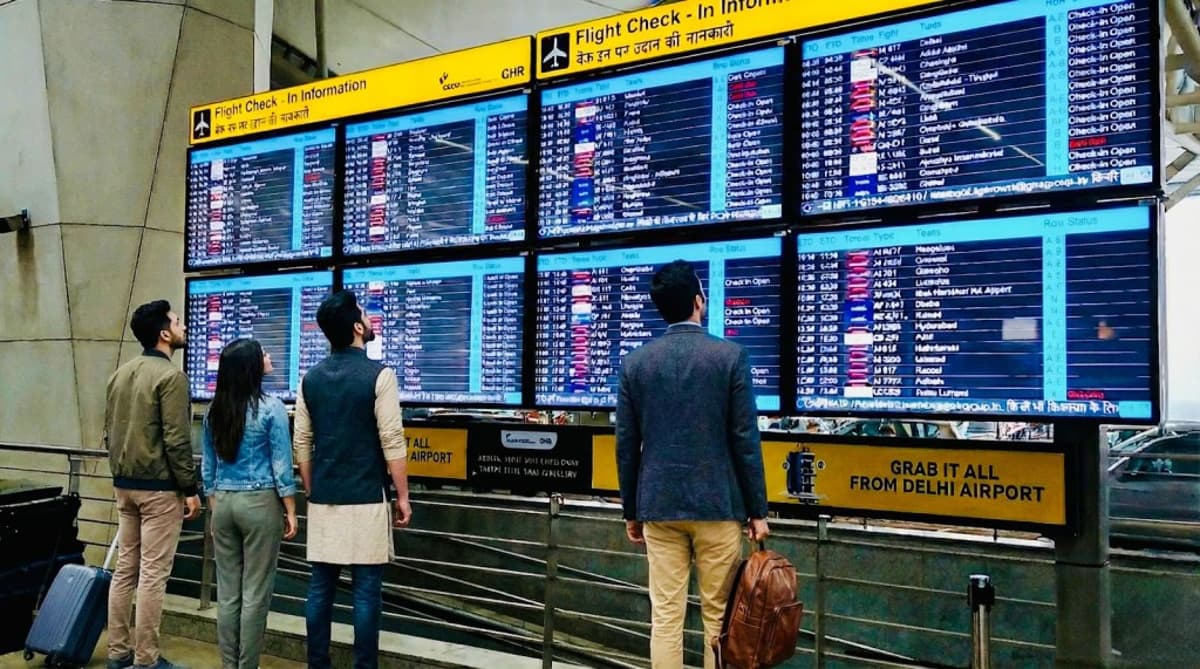
Delhi Airport

Photo Credit: Travelers at Delhi Airport. Skift

Key Points

  • Indian travel‑tech companies have spent nearly $1 billion on acquisitions in the U.S., Europe, and the Middle East since late 2024, signalling rapid global expansion.

  • Major players such as Prism (Oyo), RateGain, TBO Tek, and Ixigo are executing large‑scale deals across B2B infrastructure, hospitality, OTAs, and corporate travel, often targeting assets that benefit from their technological and operational strengths.

  • This acquisition wave is enabled by strong balance sheets, public‑market capital, and a strategic focus on assets resilient to AI disruptions, with Indian firms now owning critical parts of the Western travel‑tech stack.

Summary

Indian travel‑tech companies have rapidly accelerated their global expansion through nearly $1 billion in acquisitions across the U.S., Europe, and the Middle East since late 2024. Leading firms like Prism (formerly Oyo), RateGain, TBO Tek, and Ixigo are reshaping the industry by buying Western travel‑technology and hospitality assets, leveraging superior technology and operational discipline. This surge is powered by robust balance sheets, IPOs, and a strategic understanding of which assets retain value as AI transforms travel distribution, positioning India as a dominant force in the Western travel‑tech landscape.

Skift Take

A billion dollars in acquisitions across three continents, and this is still a story most Western travel executives couldn’t summarize.


In the past 18 months, Indian travel‑tech companies have deployed close to $1 billion on acquisitions — likely more if undisclosed deal terms are included — and the pace is accelerating. Deals are getting bigger, and ambitions have moved far beyond India’s borders: acquisitions now span the U.S., Europe, and the Middle East.

This isn’t a single narrative but at least four stories happening simultaneously, all pointing in the same direction: the emergence of India as a net exporter of travel technology and hospitality capital into the West’s own backyard.

The Deal Tracker

Since late 2024, disclosed deals total over $940 million, led by Prism’s Motel 6 acquisition and RateGain’s purchase of Sojern. (The table of individual transactions is omitted for brevity.) The figure does not include Prism’s organic European expansion or the capital formation powering it all, such as Prosus’s $146 million investment in Ixigo for a 15 % stake.


Curated by Dennis Schaal, Executive Editor


End of article.

Read Original Article
0

Comments

Want to join the conversation?

Loading comments...