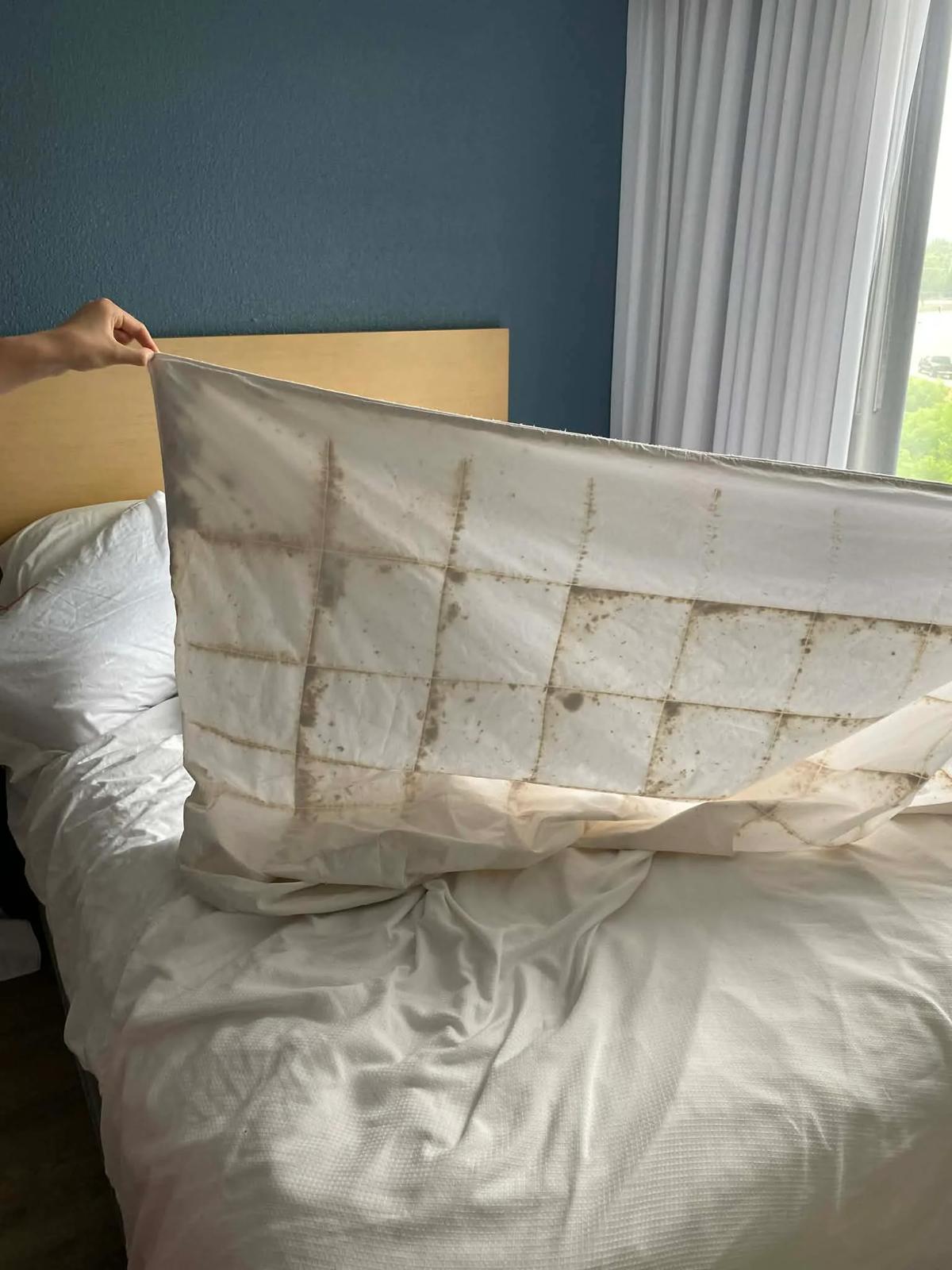
Hyatt Guest Got A Broken Room, Then An Occupied Room — And Finally Slept On These Sheets
Key Takeaways
- •Three room changes revealed inconsistent housekeeping standards
- •Guest‑posted photos forced Hyatt to issue a refund and points
- •15,000 Hyatt points roughly equal $150 in value
- •No direct response from the property’s general manager
- •Similar complaints have surfaced at other major hotel chains
Pulse Analysis
The Hyatt Place Columbia/Harbison episode illustrates how a single guest’s experience can cascade into a brand‑wide reputational issue. After enduring a malfunctioning air‑conditioning unit, a constantly running toilet, and visibly dirty linens, the family was moved twice—once into an occupied room and finally into a space that appeared tidy but concealed a stained comforter. The visual evidence posted on Reddit triggered a swift public response, prompting Hyatt’s social‑media team to refund the stay and credit 15,000 loyalty points (approximately $150). While the compensation was prompt, the lack of follow‑up from the property’s general manager left the guests feeling undervalued, highlighting a gap between digital customer service and on‑site accountability.
Hyatt’s handling of the complaint reflects a broader trend in the hotel industry where brands balance quick digital appeasement with deeper operational fixes. Competitors such as Marriott have faced criticism for inadequate compensation in similar situations, like the reported rotting rodent incident. These high‑profile failures amplify scrutiny from travel review platforms and social media, where negative experiences spread rapidly. For hospitality operators, the cost of a single viral post can outweigh the modest expense of proactive quality checks, staff training, and transparent escalation protocols.
The incident also raises questions about the efficacy of loyalty programs as a remediation tool. While 15,000 points provide a tangible benefit, their perceived value may not fully offset the emotional impact of a substandard stay. Hotels must therefore integrate real‑time housekeeping audits, robust room‑allocation systems, and empowered frontline managers to address issues before they become public. In an era where guests expect seamless, clean experiences, operational excellence is no longer optional—it’s a critical differentiator that protects brand equity and drives long‑term profitability.
Hyatt Guest Got A Broken Room, Then An Occupied Room — And Finally Slept On These Sheets
Comments
Want to join the conversation?