Ian Schrager’s PUBLIC West Hollywood Luxury Hotel Opens July 15

Why It Matters
PUBLIC West Hollywood signals a decisive pivot in the boutique hotel segment from service‑heavy luxury to experience‑centric design. By eliminating a celebrity chef and a spa, Schrager is betting that guests will pay a premium for curated communal spaces, cutting‑edge in‑room technology, and a seamless blend of hospitality and entertainment. This approach could reshape investment priorities, prompting owners to allocate capital toward design innovation, sound engineering, and outdoor amenities rather than traditional food‑and‑beverage hierarchies. If the property achieves strong occupancy at its $500‑$600 price point, it will validate the market appetite for high‑priced, experience‑driven stays in dense urban locales. That validation may accelerate similar projects in Los Angeles, New York and other tourism hubs, potentially reshaping the competitive landscape for both independent boutique operators and large chains seeking to capture the same affluent, experience‑seeking traveler.
Key Takeaways
- •PUBLIC West Hollywood opens July 15, 2026
- •137 rooms feature 8‑by‑12‑foot floor‑to‑ceiling 4K laser projection screens
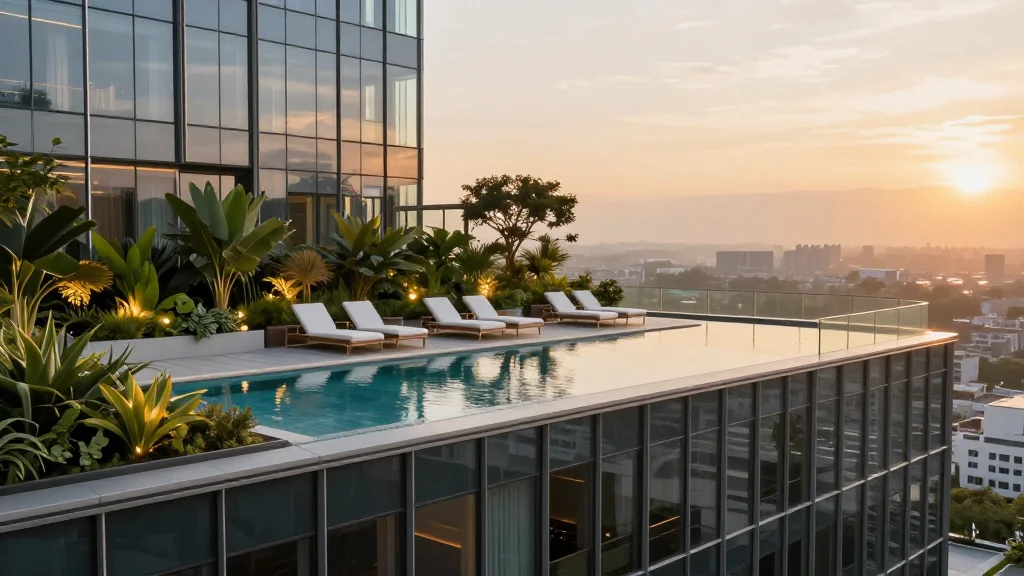
- •Three‑quarter‑acre rooftop garden with Adirondack chairs, campfire and outdoor movie screen
- •Nightly rates start at $500 and top out at $600
- •No celebrity chef, spa, or traditional front desk; lobby serves as communal hub
Pulse Analysis
Ian Schrader’s latest venture is less a hotel than a curated social platform, echoing the rise of ‘lifestyle resorts’ that blur the line between accommodation and entertainment. By leveraging his brand cachet and a design ethos that eschews overt luxury symbols—like a celebrity chef or marble spa—Schrader is targeting a demographic that values authenticity and shared experiences over conspicuous consumption. The decision to install cinema‑grade projection in every room is a bold gamble on technology as a differentiator; it aligns with a growing consumer appetite for in‑room entertainment that feels more personal than a standard TV.
Financially, the $500‑$600 nightly rate places PUBLIC West Hollywood in the upper‑mid tier of Los Angeles boutique pricing, yet the property’s unique amenity mix could justify the premium. Investors will watch the occupancy curve closely; a strong launch could encourage capital flows into similar adaptive‑reuse projects, especially those that can repurpose dated assets like the former Standard Hotel. Conversely, if demand falters, it may caution developers that experience alone cannot offset the high cost of prime real estate and sophisticated tech installations.
Strategically, the hotel’s emphasis on a communal lobby and rooftop garden reflects a broader industry trend toward ‘third‑place’ environments—spaces where guests can work, socialize, and unwind without leaving the property. As remote work persists, hotels that can double as co‑working and leisure hubs stand to capture a larger share of the extended‑stay market. PUBLIC West Hollywood could thus serve as a template for future developments that aim to be both a destination and a home away from home, reshaping how hospitality brands think about the guest journey from check‑in to check‑out.
Ian Schrager’s PUBLIC West Hollywood Luxury Hotel Opens July 15
Comments
Want to join the conversation?
Loading comments...