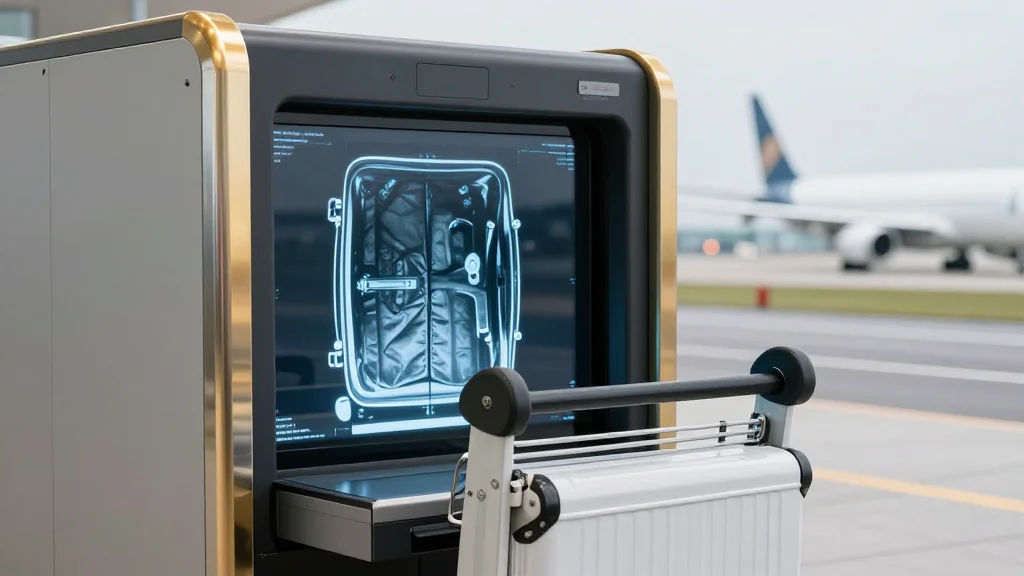
Incheon Expands Remote Baggage Screening to More US Airports
Companies Mentioned
Why It Matters
The expansion accelerates trans‑Pacific connections, improves gate utilisation and reduces baggage mishandling, giving airlines and airports a measurable efficiency boost. It also signals growing bilateral trust in cross‑border security data sharing, a model other hubs may emulate.
Key Takeaways
- •IRBS now serves Detroit and Minneapolis, cutting minimum layovers by 20 minutes
- •71,828 passengers used Incheon‑Detroit/Minneapolis routes in 2025, 63% connecting onward
- •Delta and Korean Air validated data protocols for the April 15 go‑live
- •IIAC plans to add Seattle and Los Angeles by end‑2026
Pulse Analysis
Remote baggage screening is reshaping the traditional security workflow by moving clearance to the point of origin. Incheon’s IRBS captures high‑resolution X‑ray images of checked luggage and securely streams them to U.S. TSA and CBP officers, who approve the bags before the flight leaves Korean soil. This eliminates the mandatory re‑screening step at U.S. hubs, allowing bags to be loaded directly onto connecting aircraft. The technology hinges on Incheon’s 3D explosive detection system and a compliant imaging network, ensuring both safety and data privacy under Korean and U.S. regulations.
For airlines, the 20‑minute reduction in minimum connecting time translates into tighter schedules, higher gate‑turnover rates, and fewer delayed or mishandled bags. Delta’s daily nonstop service and Korean Air’s partnership demonstrate how carriers can leverage IRBS to streamline operations and enhance passenger experience, especially for the 45,000‑plus travelers who connect onward from Detroit and Minneapolis each year. Airport operators also benefit from reduced baggage‑queue congestion, lower staffing demands at transfer desks, and improved on‑time performance for downstream domestic legs.
Looking ahead, IIAC’s roadmap to extend IRBS to Seattle and Los Angeles by the end of 2026 could set a new industry benchmark for seamless, data‑driven security. As more hubs adopt departure‑point clearance, the competitive advantage will shift toward airports that can integrate advanced imaging, cross‑border data sharing, and privacy safeguards. The broader implication is a more fluid global air network, where passengers enjoy faster connections and airlines capture incremental revenue from tighter itineraries, reinforcing the strategic value of technology‑enabled security collaborations.
Incheon expands remote baggage screening to more US airports
Comments
Want to join the conversation?
Loading comments...