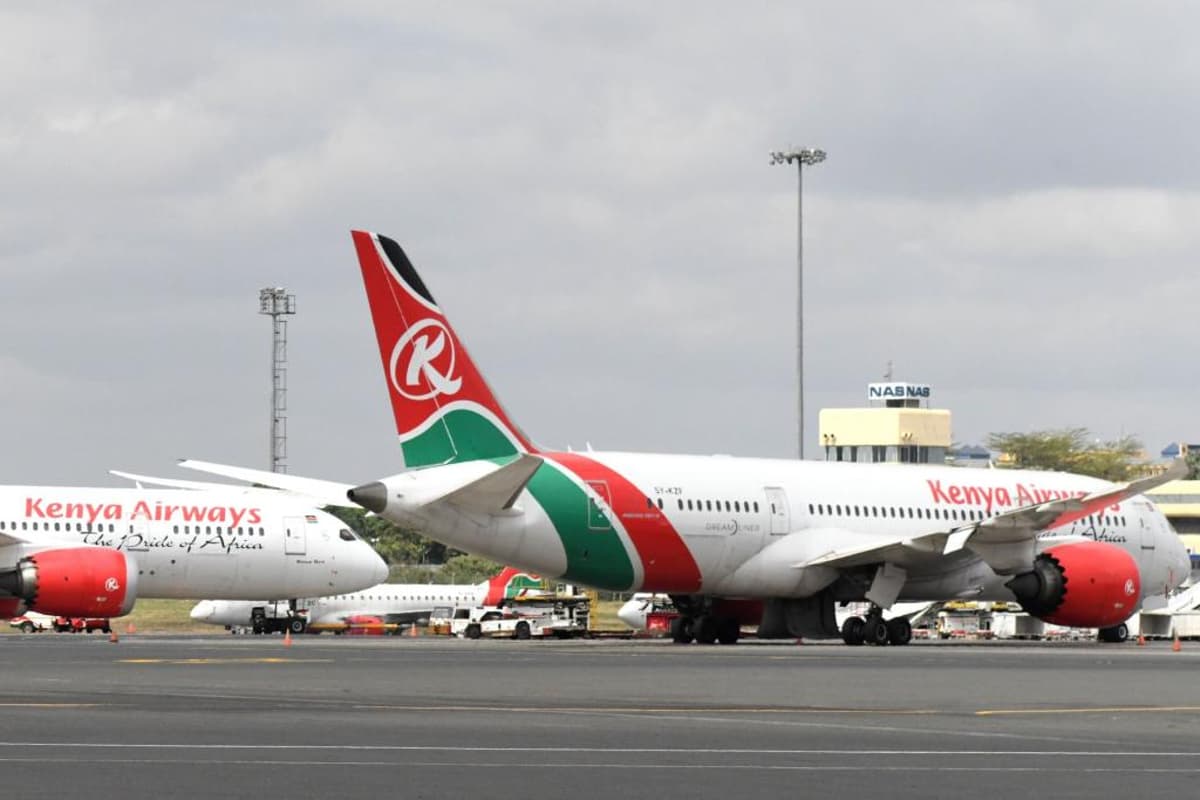
India's Adani Group Severed From Nairobi Airport Expansion Role; Government to Go It Alone with PPPs
•March 5, 2026
0
Why It Matters
The shift to a PPP model reasserts Kenya’s control over critical infrastructure while reshaping foreign investment dynamics in East Africa’s aviation sector.
Key Takeaways
- •Kenya ends Adani's 30‑year airport lease.
- •Expansion will rely on PPPs, not single operator.
- •New terminal, runway, and airport city tender launched.
- •Capacity constraints drive urgent infrastructure upgrades.
- •Regional competition intensifies from Ethiopia and Rwanda.
Pulse Analysis
Nairobi’s Jomo Kenyatta International Airport has reached a tipping point. The single‑runway facility, built in 1978, now operates beyond its design capacity, leading to chronic delays and limiting the city’s ability to serve as East Africa’s primary gateway. Compounding the issue, neighboring hubs—Ethiopia’s Addis Ababa Bole and Rwanda’s upcoming Bugesera airport—are investing heavily in modern infrastructure, threatening Nairobi’s market share. The urgency of expanding terminal space, adding a second runway, and creating an integrated airport city reflects both passenger growth and cargo demand, positioning the airport as a potential logistics engine for the region.
The Kenyan government’s decision to cancel the Adani Airports lease marks a decisive move toward greater sovereignty over strategic assets. While the 30‑year concession promised private capital and expertise, concerns over transparency and contract terms spurred political backlash, culminating in a formal termination on 24 February 2026. By opting for public‑private partnerships rather than a single operator, Kenya aims to retain oversight while still leveraging private sector efficiency for discrete projects. This approach opens the procurement process to a broader pool of investors, potentially increasing competition, reducing costs, and aligning project timelines with national development goals.
Looking ahead, the tender for new facilities and the planned airport‑city special economic zone signal Kenya’s ambition to transform the airport into a multimodal hub. The SEZ will attract logistics firms, manufacturers, and service providers, creating jobs and boosting GDP. Successful execution will require coordinated financing, robust regulatory frameworks, and clear risk‑sharing mechanisms. If managed effectively, Nairobi can reclaim its status as the premier East African aviation gateway, while setting a precedent for infrastructure development that balances public control with private innovation.
India's Adani Group severed from Nairobi Airport expansion role; government to go it alone with PPPs
0
Comments
Want to join the conversation?
Loading comments...