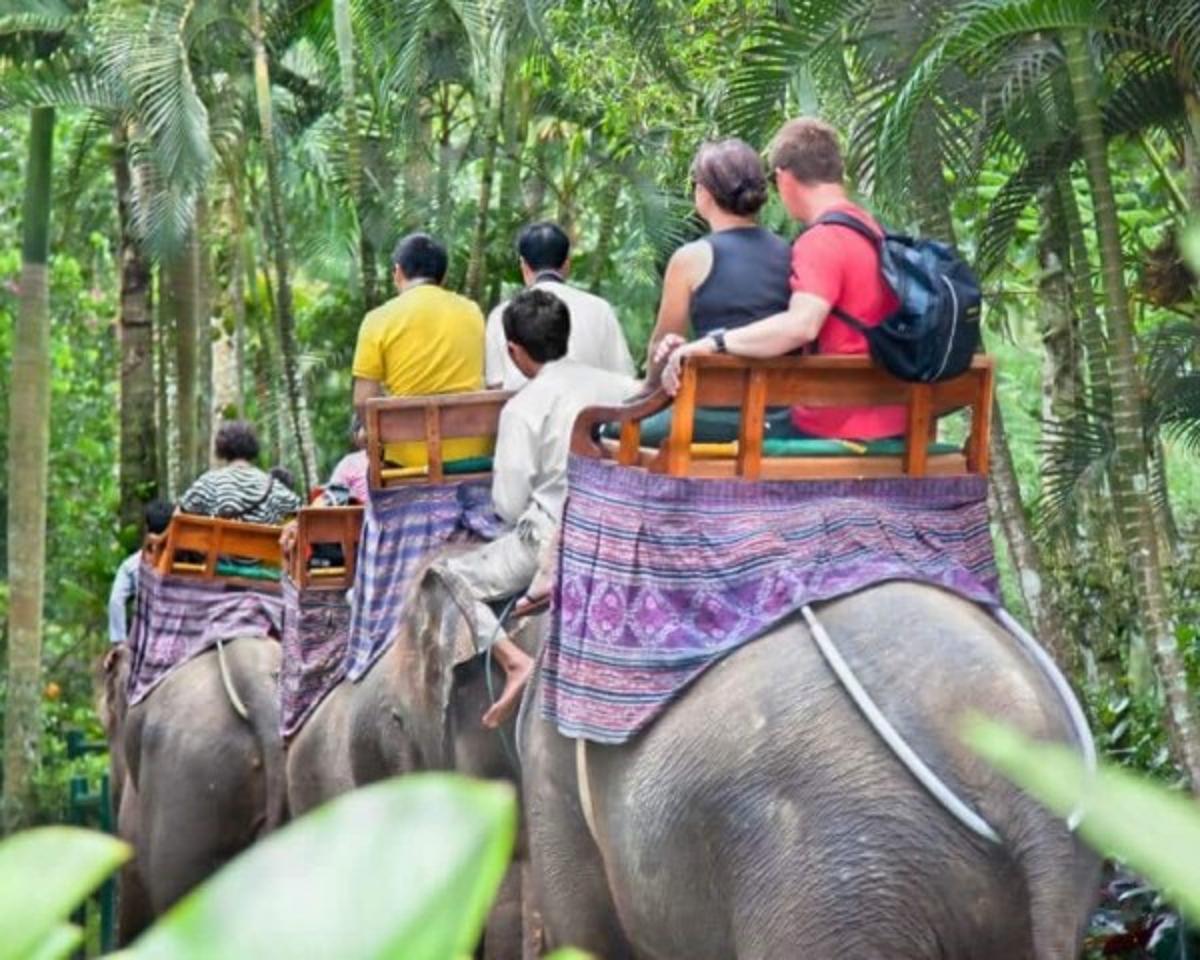
INDONESIA BECOMES FIRST COUNTRY TO NATIONWIDE BAN ELEPHANT RIDES
Why It Matters
The ban safeguards the remaining Sumatran elephant population while signaling a shift toward responsible tourism, pressuring other countries to reevaluate similar practices. It also creates market pressure for certified, humane wildlife experiences, reshaping the travel industry.
Key Takeaways
- •Indonesia bans elephant rides nationwide, first global ban
- •Policy protects critically endangered Sumatran elephants from tourism exploitation
- •Ban follows years of PETA investigations exposing abuse at Bali parks
- •Shift reflects growing demand for ethical wildlife tourism experiences
- •Other Asian nations may follow as public sentiment changes
Pulse Analysis
Indonesia’s unprecedented nationwide ban on elephant rides marks a decisive policy shift in wildlife tourism. With fewer than 3,000 Sumatran elephants left, the Ministry of Environment and Forestry’s guidance aims to keep these animals in their natural habitats rather than relegating them to tourist attractions. The ban directly addresses long‑standing concerns raised by animal‑rights groups, whose investigations uncovered injuries and stress among elephants used for rides and shows, especially in Bali’s popular parks. By removing the legal framework that permitted such activities, Indonesia is aligning conservation goals with emerging ethical standards.
The travel sector is already feeling the ripple effects. Tourists increasingly favor experiences that prioritize animal welfare, prompting operators to seek certification that proves genuine care. However, the transition is not without challenges; some venues marketed as sanctuaries have been found to continue harmful practices behind closed doors. Indonesia’s policy underscores the need for robust oversight mechanisms and transparent standards, encouraging the development of third‑party audits that can differentiate true refuges from profit‑driven spectacles. This evolution is reshaping marketing narratives, with agencies highlighting “ethical wildlife encounters” as a competitive advantage.
Regionally, the ban could serve as a catalyst for other Asian destinations such as Thailand, India and Sri Lanka, where elephant rides remain popular. As public sentiment tilts toward humane interactions, governments may feel pressure to adopt similar restrictions or at least tighten regulations. Economically, the shift may initially impact businesses reliant on elephant‑based attractions, but it also opens opportunities for alternative revenue streams like conservation‑focused tours and community‑based ecotourism. If Indonesia’s model proves sustainable, it could set a new global benchmark for balancing wildlife preservation with tourism growth.
INDONESIA BECOMES FIRST COUNTRY TO NATIONWIDE BAN ELEPHANT RIDES
Comments
Want to join the conversation?
Loading comments...