Is Zimbabwe’s Tourism Image at Risk? ZITF 2026 Meets Political Reality
Why It Matters
Tourism investors and travelers gauge destination risk through political stability; a high‑profile detention signals uncertainty that could deter bookings and capital. Resolving the Mzembi case is therefore pivotal for Zimbabwe’s effort to attract international tourism dollars.
Key Takeaways
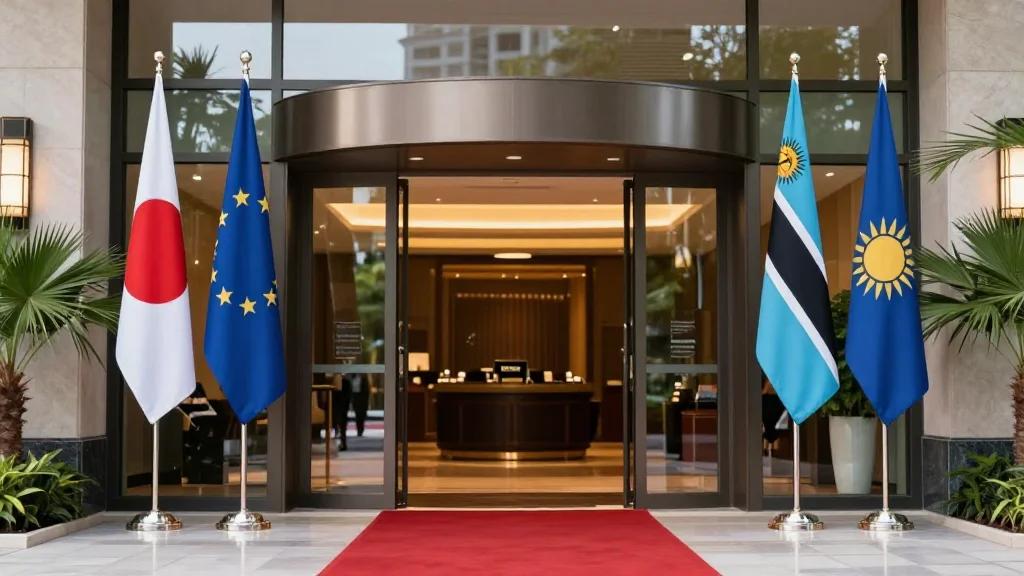
- •ZITF 2026 attracted Japan, EU, Botswana, highlighting tourism innovation
- •Former tourism minister Walter Mzembi remains detained, awaiting sentencing
- •Detention raises concerns about judicial independence and political risk
- •Investors watch case as barometer for Zimbabwe's stability
- •Stakeholders warn mixed signals could damage destination branding
Pulse Analysis
Zimbabwe’s tourism sector has long been a cornerstone of its economy, contributing roughly 12% of GDP and employing hundreds of thousands. The annual Zimbabwe International Trade Fair (ZITF) serves as a showcase for new hospitality concepts, wildlife safaris, and cultural experiences, aiming to attract foreign visitors and investment. This year’s edition, held in Bulawayo, featured high‑profile participation from Japan, the European Union and regional leaders, signaling a renewed push to position the country alongside other African destinations such as Kenya and Tanzania. The fair’s emphasis on innovation—digital booking platforms, eco‑tourism initiatives, and urban cultural circuits—reflects a broader strategy to diversify revenue streams beyond traditional game‑viewing.
Yet the celebratory tone of ZITF collides with a lingering political controversy: the prolonged detention of former tourism minister Walter Mzembi. Mzembi, credited with elevating Zimbabwe’s profile during the 2013 UNWTO General Assembly, has been held without a clear verdict for nearly a year. Critics argue that the case highlights weaknesses in the rule of law and suggests potential political retaliation, factors that rank highly in risk assessments used by travel agencies and sovereign‑wealth investors. Comparatively, neighboring markets that have demonstrated transparent legal processes have seen steadier tourism growth, underscoring how governance perception can directly affect visitor confidence.
Looking ahead, the sector’s trajectory hinges on how swiftly Zimbabwe can resolve the Mzembi saga and demonstrate judicial independence. A transparent legal outcome would reinforce the narrative of a stable, investment‑friendly environment, encouraging airlines, hotel chains, and tour operators to deepen their commitments. In the meantime, industry stakeholders are urging the government to decouple tourism promotion from political disputes, emphasizing that consistent branding and reliable legal frameworks are essential for sustaining long‑term growth. If Zimbabwe can align its political reality with the optimistic image projected at ZITF, it stands to capture a larger share of the burgeoning African tourism market.
Is Zimbabwe’s Tourism Image at Risk? ZITF 2026 Meets Political Reality
Comments
Want to join the conversation?
Loading comments...