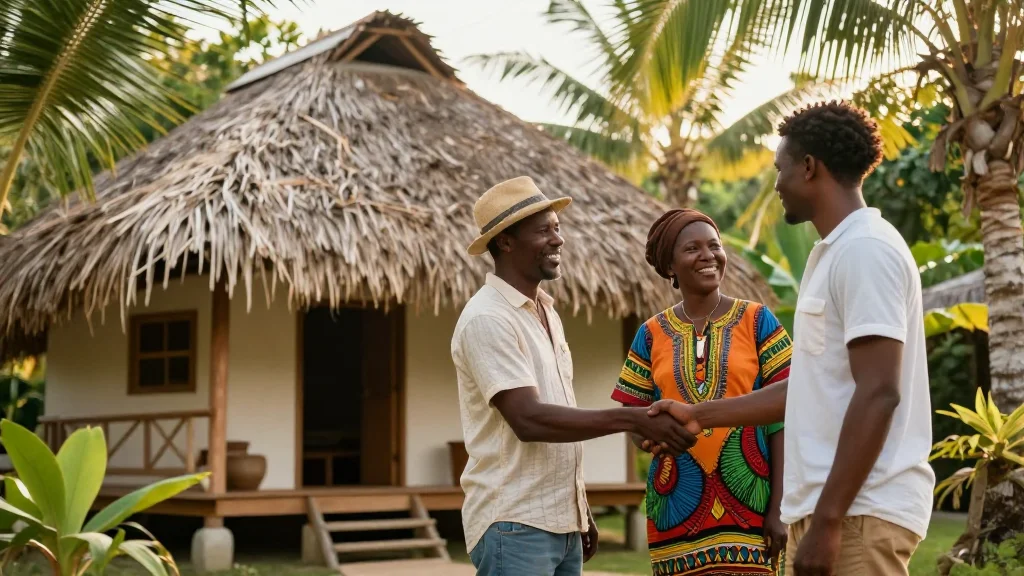
Jamaica’s Community Tourism Legacy Inspires a Global Movement for Sustainable Travel and Human Connection
Why It Matters
By keeping tourism revenue within local economies and promoting cross‑cultural empathy, Community Tourism strengthens resilience against economic shocks and geopolitical tensions, offering a scalable path for the industry’s future.
Key Takeaways
- •Jamaica launched Community Tourism in 1978, pioneering people‑centered travel
- •Model empowers locals as guides, entrepreneurs, and cultural custodians
- •Over 30 niche markets now stem from Jamaica’s community approach
- •Global destinations cite Jamaica as template for sustainable tourism
Pulse Analysis
The concept of Community Tourism emerged in Jamaica in the late 1970s, when Desmond Henry and Diana McIntyre‑Pike designated Mandeville and Treasure Beach as living laboratories for a people‑first approach. Unlike the enclave‑style resorts that dominate Caribbean islands, the Jamaican model weaves visitors into daily life—sharing meals, music, and stories—thereby turning tourism into a conduit for cultural exchange. Early endorsement by the International Institute for Peace through Tourism cemented its reputation as a peace‑building tool, positioning the island as the ‘Home of Community Tourism’ long before eco‑travel trends took hold.
Beyond goodwill, Community Tourism delivers measurable economic benefits. By training residents as guides, artisans, and hospitality entrepreneurs, revenue stays in the community, reducing leakages that plague conventional tourism. The framework naturally spawns more than thirty niche segments, including wellness retreats, culinary tours, and spiritual pilgrimages, each attracting travelers seeking authentic, purpose‑driven experiences. This diversification buffers Jamaica against external shocks such as currency volatility, climate events, or geopolitical unrest, while simultaneously preserving natural habitats and cultural heritage through locally managed stewardship.
Jamaica’s success is now a template for destinations worldwide. Nations from Costa Rica to New Zealand are adapting the community‑centric blueprint to meet rising demand for responsible travel, prompting policymakers to rethink tourism incentives and investors to fund grassroots ventures. As global travelers prioritize connection over convenience, scaling the Jamaican model could redefine industry standards, aligning profit with social impact. Stakeholders who embed community empowerment into their strategies stand to capture emerging market share while contributing to a more resilient, inclusive tourism ecosystem.
Jamaica’s Community Tourism Legacy Inspires a Global Movement for Sustainable Travel and Human Connection
Comments
Want to join the conversation?
Loading comments...