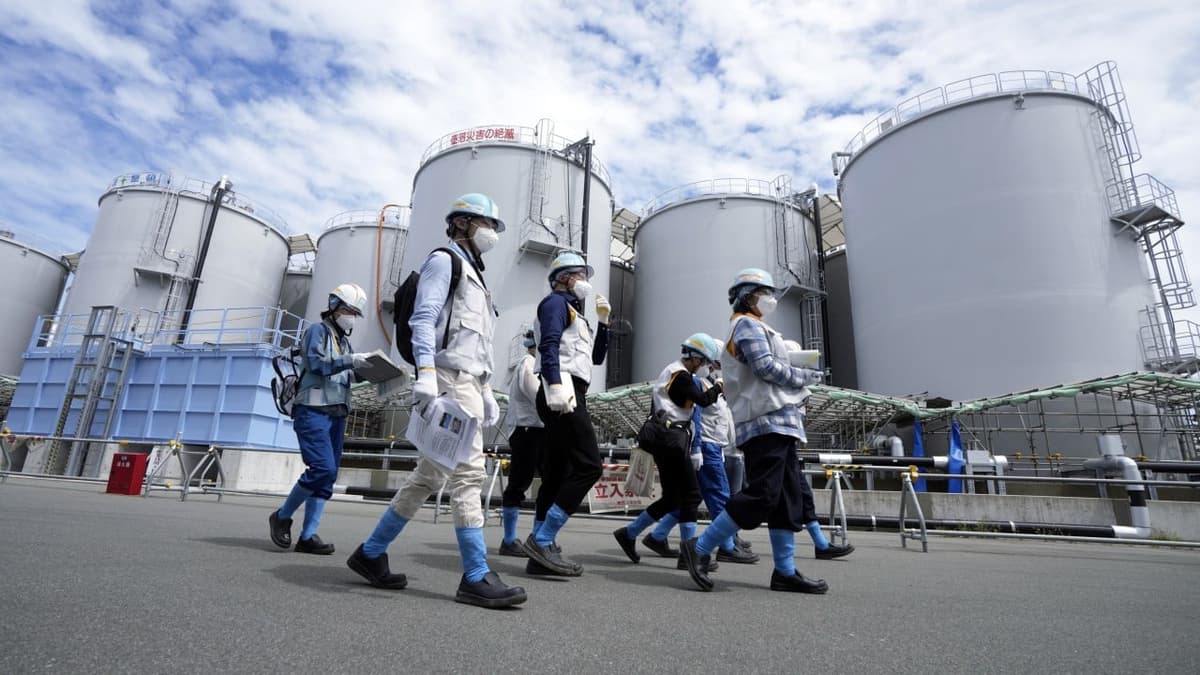
Japan Injects New Life Into Fukushima with Nuclear Plant ‘Hope Tourism’
Why It Matters
Tourism provides a tangible revenue stream for a region still grappling with evacuation fallout, and it reshapes public perception of nuclear risk and corporate responsibility. Success could serve as a template for other post‑disaster economies seeking sustainable recovery.
Key Takeaways
- •Fukushima towns see rising visitor numbers after evacuation orders lifted
- •“Hope tourism” frames disaster sites as educational experiences, not leisure
- •TEPCO links tourism revenue to cleanup funding and reputation repair
- •Local businesses hope tours will jump‑start post‑disaster economy
Pulse Analysis
The concept of "hope tourism" in Fukushima reflects a broader trend where travelers seek authentic, often somber, experiences at sites of historic tragedy. Fifteen years after the 2011 nuclear disaster, lifted evacuation orders have opened previously restricted zones to guided tours that blend education with reflection. Visitors are drawn not by amusement but by a desire to witness the lingering impacts of radiation, understand the human stories behind the crisis, and form their own judgments about nuclear safety.
For the beleaguered coastal towns, each tour bus represents a modest but meaningful infusion of cash into shuttered shops, empty inns, and local farms that have struggled to attract customers since the disaster. Municipalities are issuing permits, developing visitor centers, and partnering with travel agencies to package itineraries that include the plant’s exclusion zone, decontamination sites, and memorial museums. TEPCO, the plant’s operator, sees the tourism push as a dual‑purpose strategy: revenue from ticket sales can be earmarked for ongoing cleanup, while the exposure helps rehabilitate the company’s image by showcasing transparency and progress.
The Fukushima experiment may influence how other regions handle post‑catastrophe recovery. By turning a symbol of loss into a learning destination, stakeholders can generate economic activity without compromising safety or dignity. If visitor numbers continue to climb, policymakers could consider integrating controlled tourism into long‑term remediation plans for nuclear sites worldwide, balancing community revitalization with the imperative to maintain rigorous environmental standards.
Japan injects new life into Fukushima with nuclear plant ‘hope tourism’
Comments
Want to join the conversation?
Loading comments...