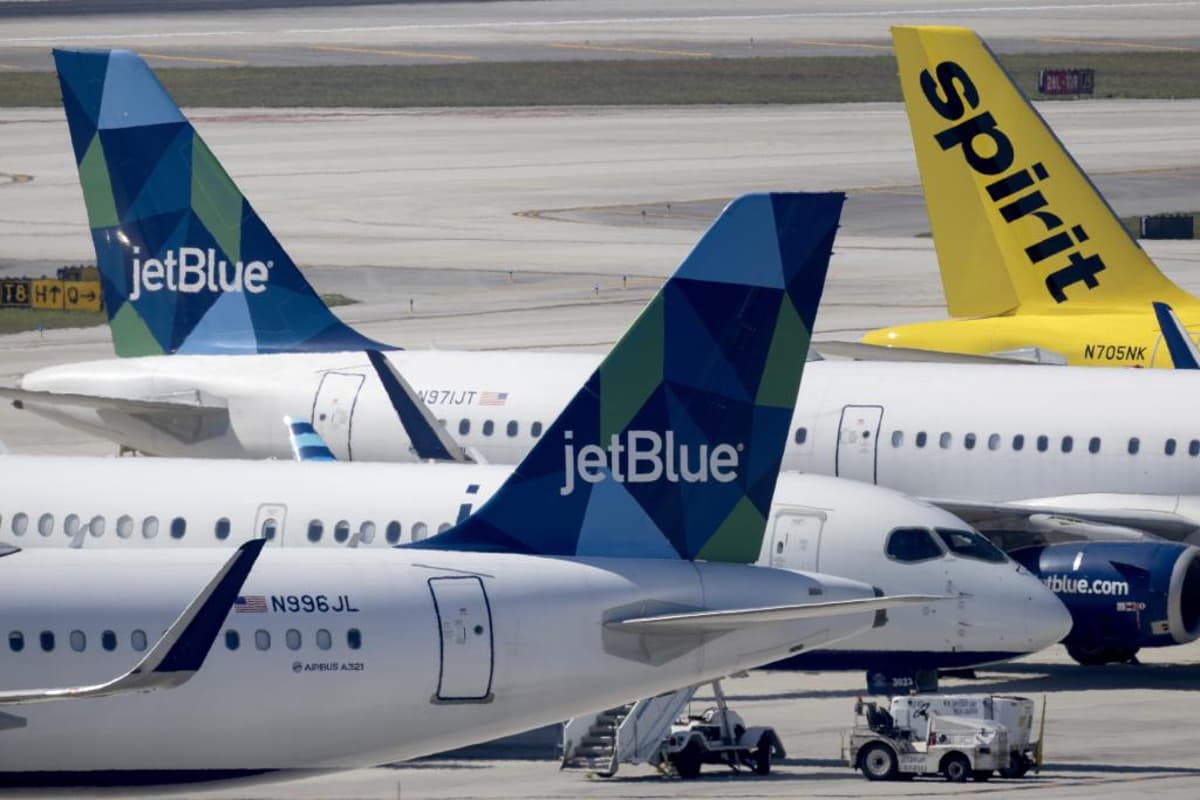
JetBlue Plays to Its Strength in Fort Lauderdale After Spirit Shrinks in South Florida
•February 13, 2026
0
Why It Matters
JetBlue’s gains in Fort Lauderdale could accelerate market consolidation and reshape competitive dynamics for low‑cost airlines across the United States.
Key Takeaways
- •JetBlue expands Fort Lauderdale slots after Spirit's Chapter 11
- •Spirit's second bankruptcy reduces South Florida market share
- •Airport authority courting JetBlue for capacity growth
- •Low‑cost model faces pressure from rising operating costs
- •Consolidation could reshape North American airline competition
Pulse Analysis
JetBlue’s strategic push into Fort Lauderdale comes at a pivotal moment for the U.S. low‑cost carrier segment. After Spirit Airlines filed its second Chapter 11 petition within a year, the airline has been forced to scale back routes and reduce gate presence at its historic South Florida hub. JetBlue, already operating a robust network in the region, seized the opportunity to acquire additional slots, aircraft parking positions, and prime gate assignments. This maneuver not only bolsters JetBlue’s market share but also positions the carrier to capture displaced leisure and business travelers who previously favored Spirit’s ultra‑low‑fare model.
The airport’s leadership is playing a decisive role, actively courting JetBlue to fill the capacity gap left by Spirit’s retreat. By offering incentives such as reduced landing fees and expedited slot allocation, Fort Lauderdale‑Hollywood International aims to sustain passenger volumes and preserve its status as a major gateway. For JetBlue, the expansion aligns with its broader growth strategy that emphasizes higher‑yield routes and a more diversified product mix, mitigating the cost pressures that have strained ultra‑low‑cost operators. Rising fuel prices, labor costs, and regulatory constraints are prompting carriers to reassess the sustainability of the pure low‑cost model.
Industry analysts view this development as a microcosm of a larger consolidation trend in North American aviation. Regulatory scrutiny that once blocked JetBlue’s attempted acquisition of Spirit now indirectly benefits the former rival as market dynamics shift. As carriers like JetBlue absorb assets and routes from financially distressed competitors, the competitive landscape may tilt toward hybrid models that blend low‑cost efficiencies with premium services. Stakeholders should watch how this realignment influences fare structures, capacity planning, and future merger activity across the sector.
JetBlue plays to its strength in Fort Lauderdale after Spirit shrinks in South Florida
0
Comments
Want to join the conversation?
Loading comments...