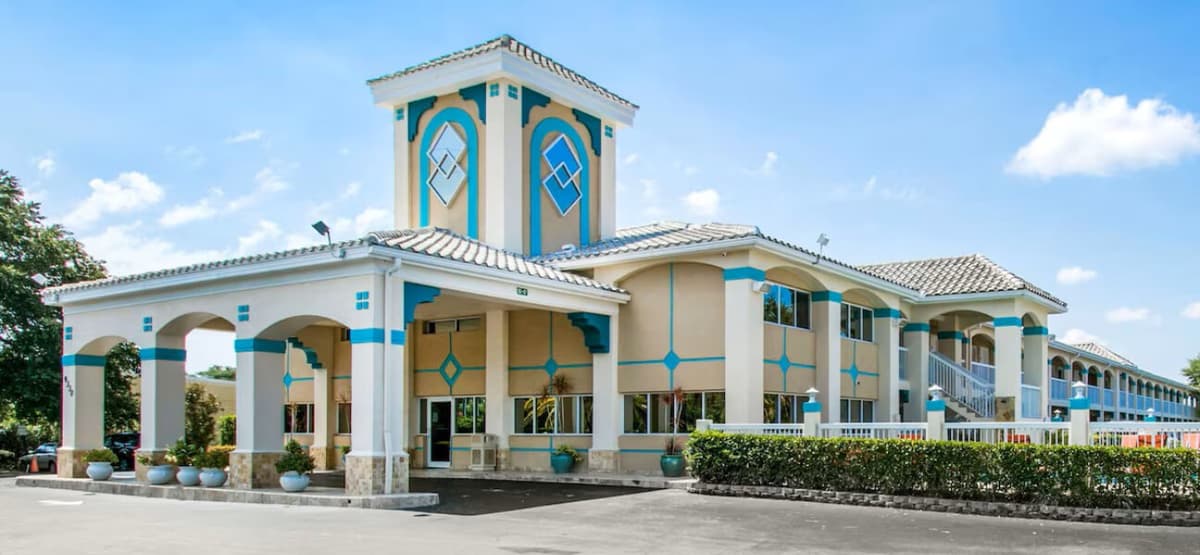
Kabani Hotel Group Arranges Two Kissimmee Hotel Sales
Companies Mentioned
Why It Matters
These transactions demonstrate sustained demand for mid‑scale hotel assets in high‑traffic tourism corridors, and they signal a widening buyer pool that includes non‑traditional investors seeking flexible real‑estate platforms for workforce or agricultural uses.
Key Takeaways
- •Rodeway Inn sold for $5.5M, $37,415 per key, 6.18% cap
- •Sale attracted 300 NDAs, 18 offers, closed with SBA 7(a) loan
- •Quality Inn sold for $3.5M, $47,945 per key, 7.0× revenue multiple
- •Buyers include non‑traditional investors seeking workforce housing or agricultural use
- •Central Florida corridor hotels remain below replacement cost, boosting demand
Pulse Analysis
Central Florida’s US‑192 corridor remains a magnet for hospitality investors because it couples high tourist traffic with relatively affordable land. Proximity to Walt Disney World, Margaritaville Resort and major employment hubs drives occupancy stability, while the large parcels—often below the cost to rebuild—offer upside for redevelopment or adaptive reuse. Analysts note that the region’s growth in residential and workforce housing further enhances the strategic value of exterior‑corridor hotels, which can be repurposed without extensive structural changes.
The Rodeway Inn and Quality Inn sales illustrate how these dynamics translate into concrete deals. The Rodeway transaction, priced at $5.5 million, delivered a 6.18% cap rate and attracted over 300 confidentiality agreements, ultimately closing with SBA 7(a) financing—a sign of confidence from traditional hotel owners. Meanwhile, the Quality Inn fetched $3.5 million, achieving a 7.0× room‑revenue multiple, and drew interest from agricultural‑sector buyers looking to integrate lodging into broader operational footprints. Both sales underscore the market’s appetite for assets that combine strong cash flow with sizable land parcels for future expansion.
Beyond the immediate financials, the deals point to a broader shift in hotel real‑estate strategy. Non‑traditional players—ranging from agribusinesses to workforce‑housing developers—are increasingly viewing hotels as flexible platforms rather than pure hospitality investments. This trend expands the pool of potential capital, mitigates liquidity constraints that have hampered some adaptive‑reuse projects, and may accelerate conversions of corridor hotels into mixed‑use or employee‑housing facilities. As demand for such versatile assets grows, investors can expect continued premium pricing for properties that sit below replacement cost while offering clear pathways to alternative uses.
Kabani Hotel Group arranges two Kissimmee hotel sales
Comments
Want to join the conversation?
Loading comments...