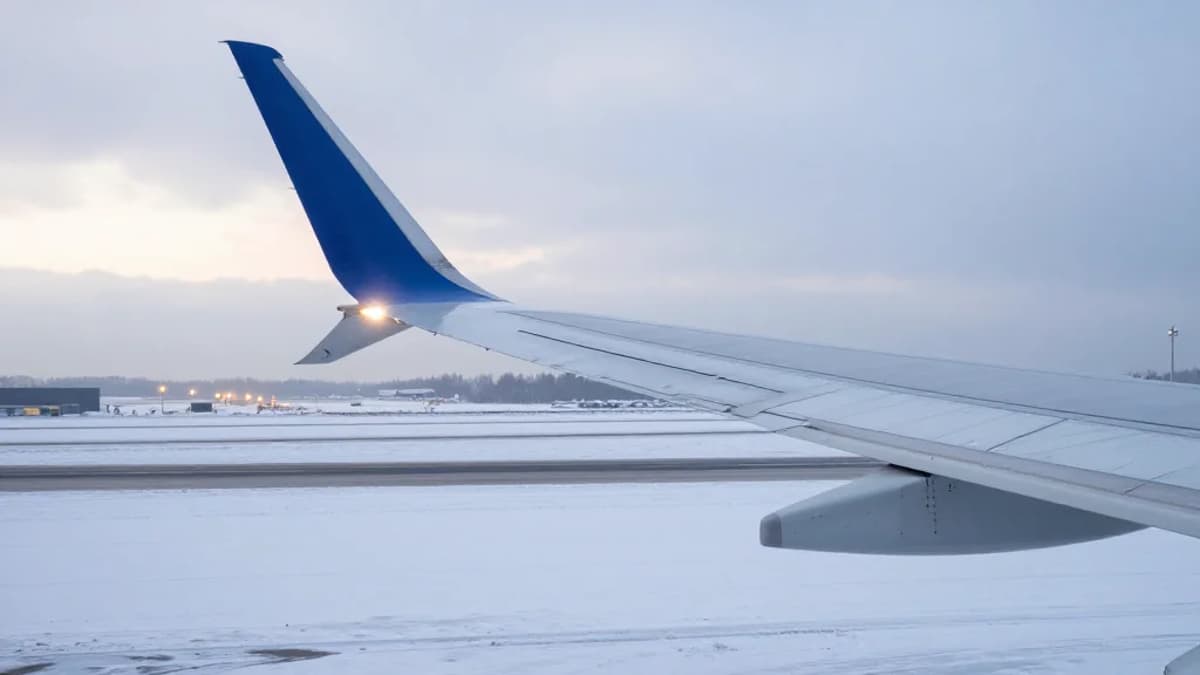
KLM Flight Cancellation Bonanza Due To Winter Weather On February 15, 2026
•February 15, 2026
0
Why It Matters
The disruption underscores the operational vulnerability of European carriers to winter weather and reinforces that passenger rights under EC 261 remain enforceable, prompting potential legal claims and reputational risk for airlines.
Key Takeaways
- •Over 150 KLM flights cancelled due to snowfall
- •Short‑haul routes hit hardest; long‑haul largely maintained
- •EC 261 obligates care and compensation despite “extraordinary” weather
- •Legal experts warn airlines often evade rebooking responsibilities
- •Passengers urged to file claims for meals, accommodation, compensation
Pulse Analysis
Winter weather continues to test European airlines’ resilience, and KLM’s February 15 cancellations illustrate how quickly a snowstorm can cripple a hub like Schiphol. With more than 150 departures scrubbed, the airline’s short‑haul network suffered the most severe knock‑on effects, while long‑haul services pressed on with reduced passenger loads. The operational scramble highlights the need for robust contingency planning, real‑time capacity management, and transparent communication to mitigate passenger inconvenience and protect brand equity.
Under the EU’s EC 261/2004 framework, airlines cannot hide behind “act of God” defenses when they fail to meet duty‑of‑care obligations. Passengers stranded by weather‑related delays are entitled to meals, accommodation, and, in many cases, financial compensation if the carrier does not rebook them on the shortest possible route. Recent commentary from German aviation lawyer Dr. Matthias Boese emphasizes that the regulation applies regardless of extraordinary circumstances, and that airlines must prove they took reasonable measures to minimize disruption. This legal precedent puts pressure on carriers to improve re‑routing options, such as offering bus or train tickets, and to document their mitigation efforts meticulously.
For the broader industry, the KLM incident serves as a cautionary tale about the financial and reputational costs of inadequate weather response strategies. Airlines are increasingly investing in predictive analytics, flexible staffing, and collaborative agreements with ground transport providers to reduce the impact of similar events. Travelers, meanwhile, should stay vigilant, monitor airline alerts, and be prepared to assert their EC 261 rights promptly. Proactive claim filing not only secures individual compensation but also drives systemic improvements in airline accountability.
KLM Flight Cancellation Bonanza Due To Winter Weather On February 15, 2026
0
Comments
Want to join the conversation?
Loading comments...