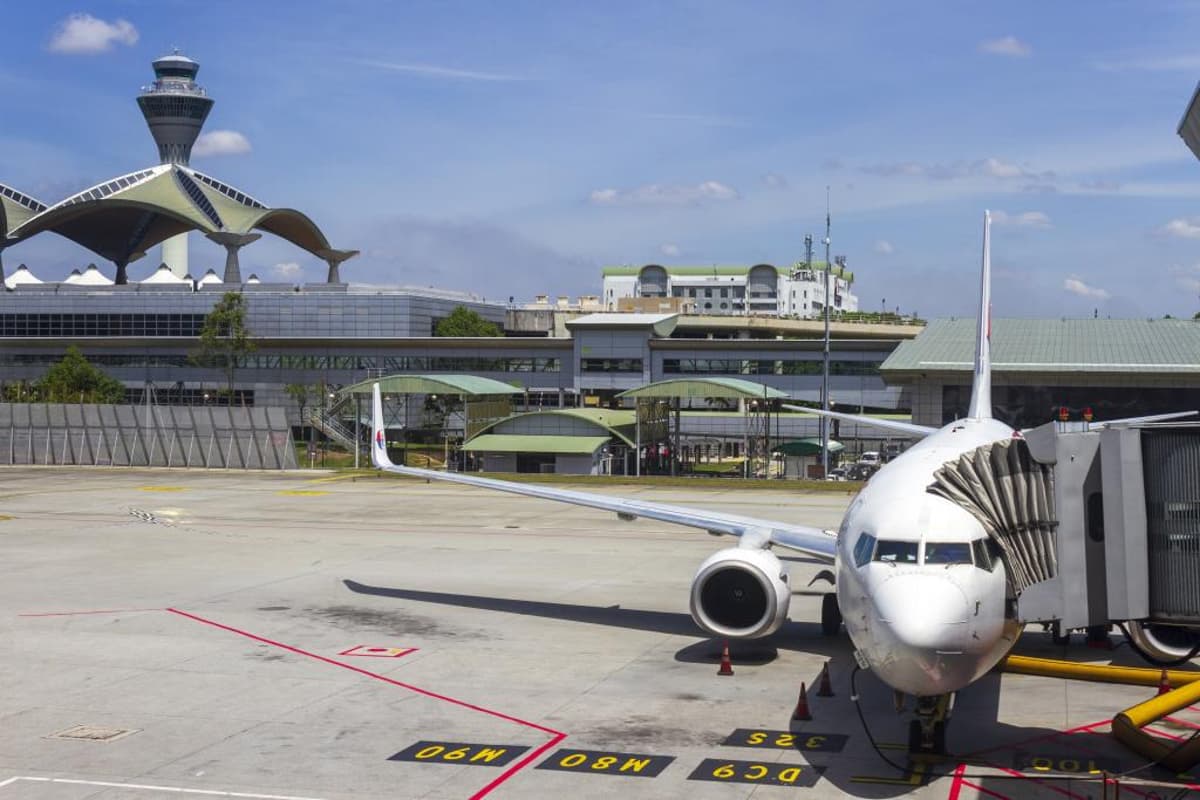
Kuala Lumpur International Airport Seeks More Routes to Europe as It Builds Connectivity
Companies Mentioned
Why It Matters
Expanding European connections will boost KLIA’s hub relevance, driving higher passenger volumes and ancillary revenue. It also counters competitive pressure from neighboring Asian hubs seeking similar market share.
Key Takeaways
- •KLIA targets additional long‑haul routes to major European cities
- •Malaysia Airlines, AirAsia, Batik Air plan fleet expansions for hub traffic
- •New terminal capacity plans aim to support increased passenger volumes
- •KLIA leverages strong Southeast Asia network to attract European carriers
- •Competition from regional hubs drives KLIA’s connectivity push
Pulse Analysis
KLIA’s renewed focus on Europe reflects a broader shift in Asian aviation, where airports vie for hub status by deepening long‑haul links. Europe remains a lucrative market for Asian travelers, especially for business and tourism flows between the continent and Australasia. By adding routes to cities such as London, Frankfurt and Paris, KLIA can capture transit passengers who would otherwise use Singapore, Bangkok or Hong Kong, thereby increasing its share of high‑margin connecting traffic.
The strategy is underpinned by fleet growth from Malaysia’s three flagship carriers. Malaysia Airlines is modernising its narrow‑body fleet, AirAsia is scaling up its Airbus A321neo capacity, and Batik Air is introducing wide‑body aircraft to serve longer sectors. These expansions create the aircraft availability needed for new Europe‑bound services and enhance the airport’s ability to offer frequent, reliable connections. Coupled with MAHB’s plans to expand terminal facilities, KLIA is positioning itself to handle a higher passenger throughput without compromising service quality.
From a market perspective, KLIA’s move could reshape regional route economics. As airlines seek cost‑effective hubs with robust connectivity, KLIA’s competitive landing fees and strategic location between Southeast Asia and Australasia become attractive. The added European capacity is likely to stimulate tourism, trade, and investment flows, reinforcing Malaysia’s broader economic diversification goals. In the long run, a stronger European network may also insulate KLIA from volatility in short‑haul traffic, providing a more resilient revenue base as the global aviation landscape evolves.
Kuala Lumpur International Airport seeks more routes to Europe as it builds connectivity
Comments
Want to join the conversation?
Loading comments...