Lanzarote Focuses on Sustainable Tourism at ITB Berlin 2026
•March 3, 2026
0
Why It Matters
Lanzarote’s model shows how destinations can grow while preserving ecosystems, offering a replicable blueprint for the tourism sector. With climate‑aware travelers driving demand, such strategies are essential for market competitiveness.
Key Takeaways
- •Lanzarote showcases regenerative tourism model at ITB Berlin.
- •Strict building limits preserve island’s volcanic landscape and culture.
- •Renewable energy and water initiatives reduce tourism carbon footprint.
- •César Manrique’s legacy guides sustainable development policies.
- •Travelers urged to engage with local food, crafts, art.
Pulse Analysis
At ITB Berlin, the world’s premier travel exhibition, Lanzarote stood out by presenting sustainability as a core brand promise rather than a marketing add‑on. The island’s narrative aligns with a broader industry shift toward climate‑smart travel, where destinations must demonstrate tangible environmental stewardship to attract discerning tourists. By leveraging the fair’s global platform, Lanzarote not only promotes its unique volcanic scenery but also signals that responsible tourism can be a compelling competitive advantage.
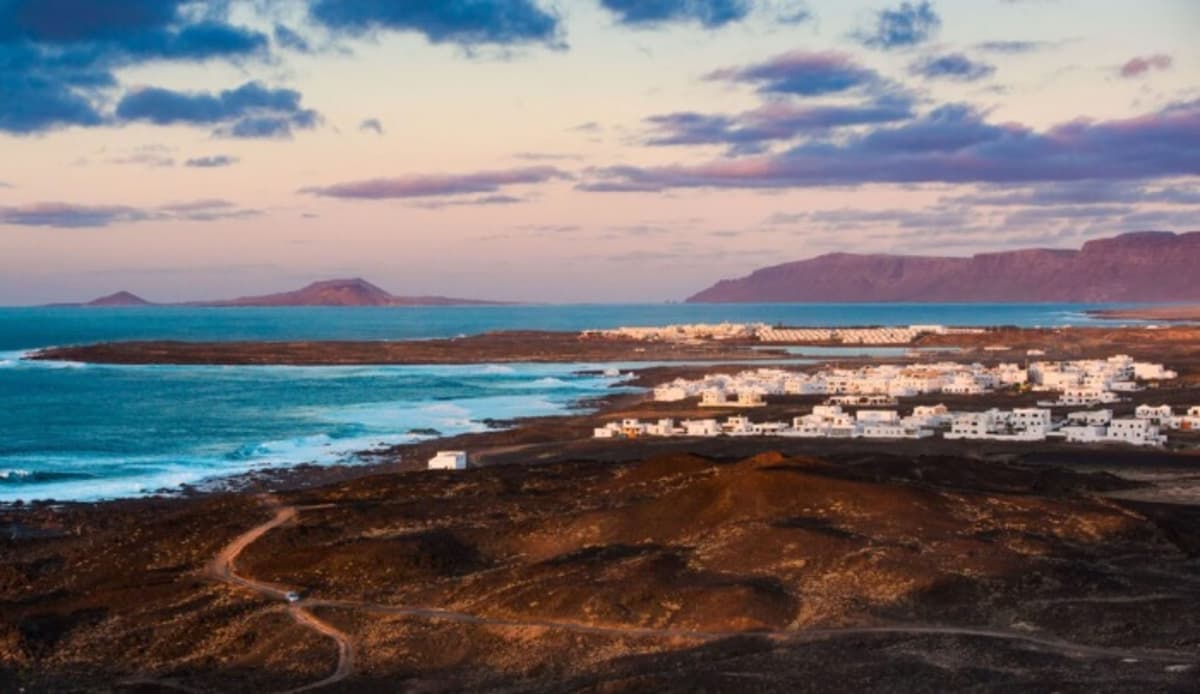
Lanzarote’s sustainability credentials stem from decades of proactive governance. Strict zoning laws limit high‑rise construction, preserving the island’s iconic lava fields and traditional villages. Investments in solar farms and wind turbines now supply a majority of the island’s electricity, while innovative water‑recycling schemes mitigate scarcity on this arid archipelago. The legacy of artist‑architect César Manrique continues to shape policy, ensuring new developments harmonize with natural contours and cultural heritage, creating a living laboratory for low‑impact tourism.
The island’s push for regenerative tourism pushes the conversation beyond “do no harm” to “leave better than found.” By integrating local food production, artisan crafts, and community‑led experiences into the visitor journey, Lanzarote creates economic uplift while safeguarding ecosystems. This model offers a template for other destinations facing climate pressures, suggesting that authentic, place‑based experiences can drive both profitability and planetary health. As travelers increasingly prioritize purpose‑driven trips, Lanzarote’s approach may become a benchmark for the next generation of tourism strategies.
Lanzarote focuses on sustainable tourism at ITB Berlin 2026
0
Comments
Want to join the conversation?
Loading comments...