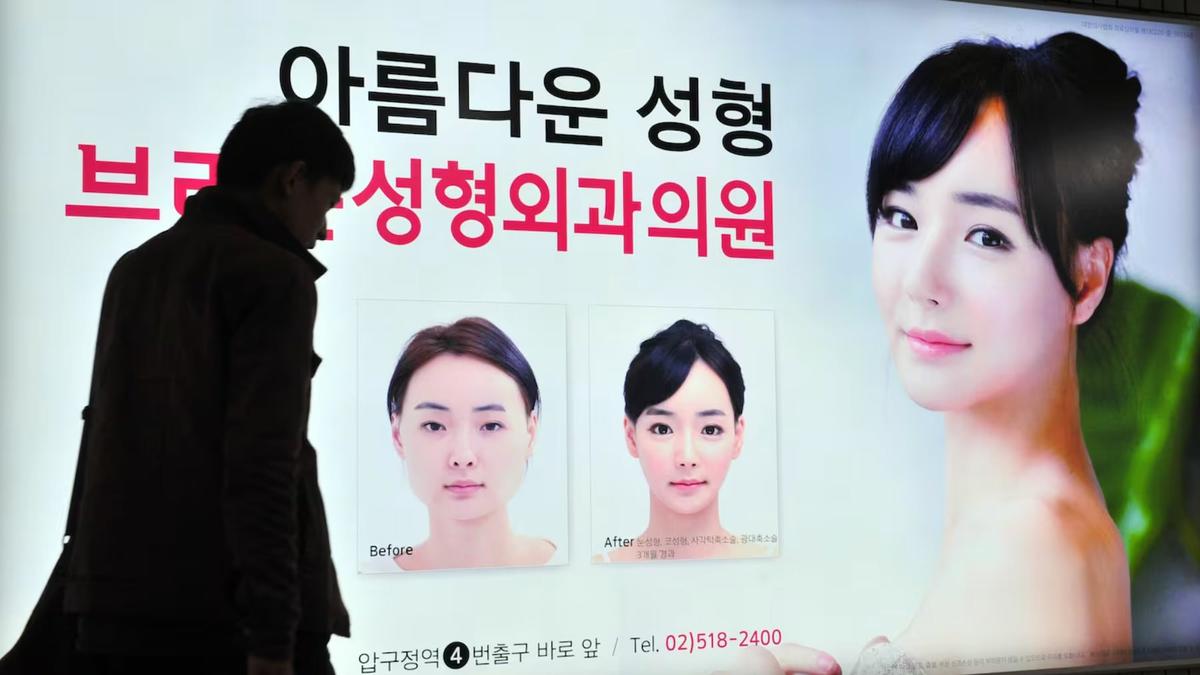
Lasers, Facial Firming Driving South Korean Medical Tourism
Why It Matters
The surge in high‑spending medical tourists boosts South Korea’s economy and positions it as a leader in the lucrative anti‑aging market, prompting other nations to reevaluate their own medical‑tourism strategies.
Key Takeaways
- •2 million foreign patients visited South Korea for medical tourism in 2023
- •Average foreign patient spends about $1,000 per day on aesthetic procedures
- •Over 15,000 clinics compete, driving down prices for non‑invasive treatments
- •Treatments like red‑light therapy and Botox attract middle‑aged tourists seeking anti‑aging
- •Multilingual staff and advanced K‑beauty tech make South Korea a global hub
Pulse Analysis
South Korea has transformed from a niche destination for surgical procedures to a powerhouse of non‑invasive cosmetic care. The shift is evident in the rapid rise of treatments such as red‑light therapy, Botox injections and ultrasound skin‑lifting, which appeal to middle‑aged travelers seeking anti‑aging solutions without the downtime of surgery. In 2023, the country welcomed over 2 million foreign patients for medical purposes, a figure that dwarfs the 1.17 million tourists who came solely for leisure in 2024. This surge reflects a broader consumer trend toward quick, effective aesthetic enhancements that can be bundled into a single trip.
Economic implications are profound. Each foreign patient now spends roughly $1,000 per day, translating into hundreds of millions of dollars in revenue for the Korean health sector. Competition among the nation’s 15,000 clinics—most run by general practitioners—has forced prices down, making procedures up to 20% cheaper than comparable services in the United States and Europe. The presence of multilingual coordinators further lowers barriers for international visitors, reinforcing South Korea’s appeal as a cost‑effective, high‑quality alternative to Western providers.
Looking ahead, South Korea’s blend of advanced technology, skilled practitioners and aggressive pricing is likely to cement its status as the premier destination for aesthetic tourism. As global demand for anti‑aging treatments continues to rise, other countries may attempt to replicate Korea’s model, but the entrenched ecosystem of clinics, research institutions and a culture that celebrates beauty gives South Korea a durable competitive edge. Stakeholders in the broader medical‑tourism industry should monitor these dynamics, as they could reshape market share and influence regulatory approaches worldwide.
Lasers, Facial Firming Driving South Korean Medical Tourism
Comments
Want to join the conversation?
Loading comments...