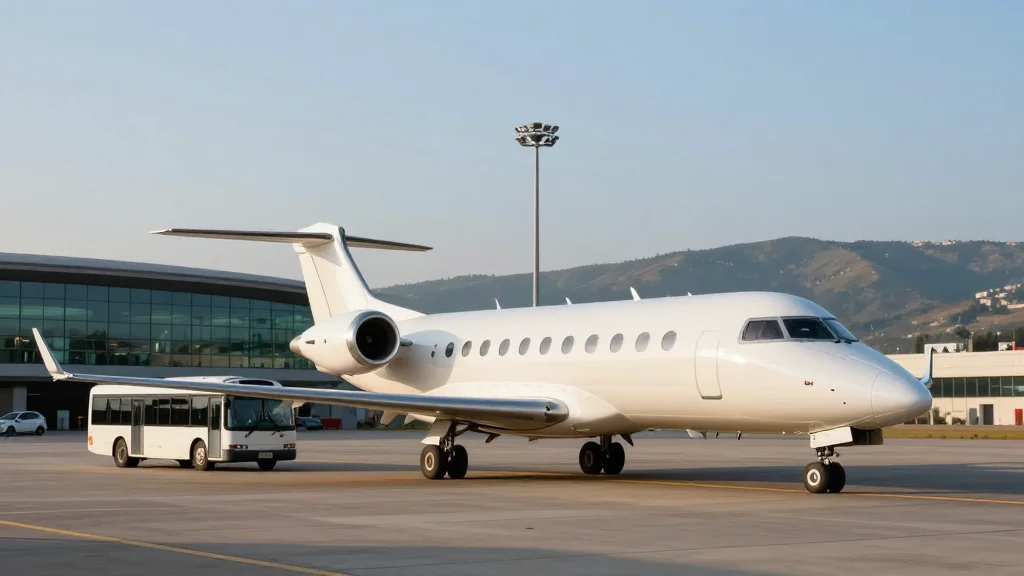
Lebanon Reopens Qlayaat Airport as Second Civilian Gateway, Boosting Tourism and Aviation Resilience
Why It Matters
The airport provides critical infrastructure to reduce regional inequality and diversify Lebanon's aviation network, lessening reliance on a single hub vulnerable to conflict. Its development could spur tourism, create jobs, and improve logistics for the north.
Key Takeaways
- •Qlayaat Airport reopens as Lebanon's second civilian gateway.
- •Project targets Akkar's 62% poverty rate, aiming regional equity.
- •Low‑cost carriers eyed to connect Qlayaat with Istanbul, Dubai, Mersin.
- •New airport adds redundancy, enhancing aviation resilience amid regional tensions.
- •Bus links and road upgrades will integrate north with national transport network.
Pulse Analysis
Lebanon’s decision to revive René Moawad Airport in Qlayaat marks a rare infrastructure win for a nation battered by economic collapse, political gridlock, and recurrent security shocks. By adding a second civilian gateway, the country mitigates the strategic risk of relying solely on Beirut‑Rafic Hariri International Airport, which has historically been a single point of failure during regional flare‑ups. The new facility also signals a broader intent to modernise transport assets, positioning Lebanon to better absorb disruptions and maintain connectivity for both passengers and cargo.
Beyond security, the Qlayaat project is a targeted economic lever for the Akkar governorate, where poverty sits at roughly 62 %—almost double the national average. Low‑cost carriers such as Pegasus and Air Arabia are being courted to launch routes to Istanbul, Dubai and Mersin, promising affordable travel options that could unlock tourism to the northern coast, historic Tripoli and nearby eco‑tourism sites. The influx of budget‑friendly flights is expected to stimulate hospitality, retail and logistics sectors, generating jobs and encouraging diaspora visits that have traditionally gravitated toward Beirut.
Strategically, the airport’s proximity to the Abdeh‑Arida highway and the Syrian border positions it as a potential logistics hub for regional trade, complementing existing maritime corridors. However, the venture faces hurdles: certification, airline commitment, and the lingering spectre of regional conflict could inflate insurance costs and deter investors. Sustained public‑private partnership and incremental upgrades—such as dedicated bus links and road improvements—will be essential to translate the symbolic reopening into lasting economic resilience.
Lebanon Reopens Qlayaat Airport as Second Civilian Gateway, Boosting Tourism and Aviation Resilience
Comments
Want to join the conversation?
Loading comments...