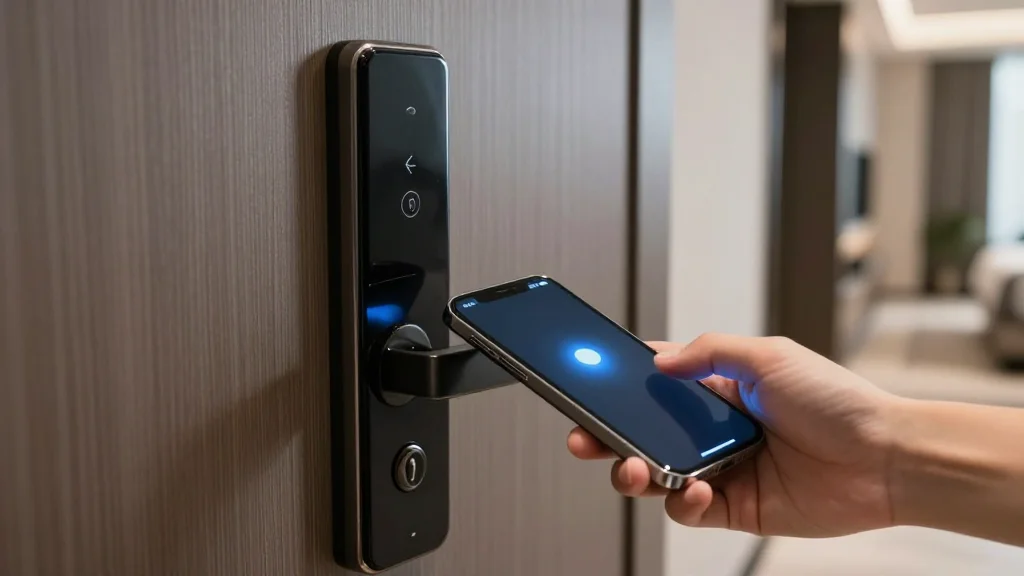
Liverton Group Rolls Out SmartStay Digital‑wallet Keys in New Zealand Hotels

Companies Mentioned
Why It Matters
The introduction of digital‑wallet keys addresses two persistent challenges in the hotel industry: labour shortages and the demand for frictionless, contactless experiences. By automating check‑in and eliminating physical key cards, hotels can reallocate staff to higher‑value guest interactions, potentially improving service quality and revenue per available room. Moreover, the technology aligns with broader consumer trends toward mobile‑first transactions, positioning early adopters as innovators in a competitive market. If widely adopted, digital‑wallet access could reshape the economics of front‑desk operations, reduce operational overhead, and set new expectations for guest convenience. The move also raises the bar for security standards, as encrypted mobile credentials are harder to duplicate than traditional cards, potentially lowering incidences of key‑related fraud.
Key Takeaways
- •Liverton Group's SmartStay now supports Apple Wallet and Google Wallet for instant room access in New Zealand hotels.
- •Guests can complete digital check‑in via web, mobile or self‑service kiosk without downloading an app.
- •Digital keys integrate with existing PMS and lock systems, avoiding costly infrastructure overhauls.
- •The solution aims to relieve staffing pressures, especially during late‑night arrivals and labour shortages.
- •Liverton targets 150 additional hotel rollouts by end‑2026 and a European pilot in Q4.
Pulse Analysis
SmartStay’s digital‑wallet launch arrives at a moment when the hospitality sector is accelerating its digital transformation. The pandemic forced hotels to rethink touchpoints, and while many properties adopted mobile check‑in apps, the requirement to download a dedicated app has remained a barrier. By leveraging ubiquitous mobile wallets, Liverton sidesteps this friction, delivering a near‑instantaneous experience that mirrors consumer expectations set by airlines and ride‑hailing services.
Historically, hotel key technology has evolved from metal keys to magnetic stripe cards and, more recently, Bluetooth‑based smartphone keys that require proprietary apps. Each iteration has offered incremental convenience but also introduced new complexities—whether in hardware upgrades or guest onboarding. SmartStay’s approach could represent a tipping point: a truly platform‑agnostic solution that works with existing lock hardware while providing a secure, encrypted credential. If the projected adoption curve holds, we may see a rapid decline in physical key card production, translating into measurable cost savings for operators.
Competitive dynamics will intensify as larger property‑management vendors, such as Oracle Hospitality and Sabre, race to embed similar wallet‑based capabilities into their suites. Liverton’s early mover advantage in the Asia‑Pacific region could translate into valuable data on guest behavior, informing future product enhancements and partnership opportunities. However, success will hinge on seamless integration with a fragmented ecosystem of lock manufacturers and PMS providers. Hotels that can quickly adopt the technology without disrupting existing operations will likely capture a share of the emerging market for frictionless guest experiences, while laggards risk falling behind in an increasingly tech‑savvy hospitality landscape.
Liverton Group rolls out SmartStay digital‑wallet keys in New Zealand hotels
Comments
Want to join the conversation?
Loading comments...