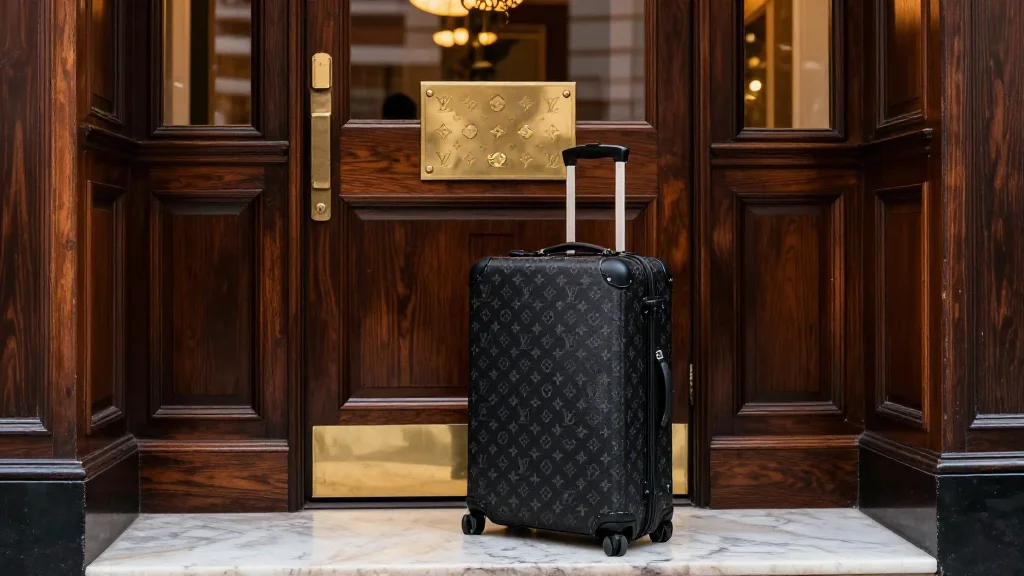
Louis Vuitton Debuts Temporary Monogram Hotel in London’s Mayfair

Companies Mentioned

Louis Vuitton
Why It Matters
The Louis Vuitton Monogram Hotel illustrates how luxury fashion brands are expanding into hospitality to deepen consumer engagement. By converting iconic product designs into physical spaces, the brand creates a narrative experience that reinforces its heritage while attracting a broader audience beyond traditional shoppers. This crossover could reshape expectations for high‑end hospitality, prompting hotels to incorporate more brand‑centric storytelling and experiential design. For the broader hotels sector, the pop‑up underscores the value of temporary, high‑visibility concepts that can drive foot traffic and media attention without the long‑term commitments of new hotel construction. As travel rebounds post‑pandemic, operators may look to similar collaborations to differentiate their properties and capture the attention of affluent, experience‑seeking travelers.
Key Takeaways
- •Louis Vuitton opened a temporary Monogram Hotel in Mayfair on April 24, 2026.
- •The pop‑up runs until June 21, 2026, at 28 Berkeley Square.
- •The installation celebrates the brand’s 130th anniversary and showcases iconic bag designs.
- •Features include Café Alma, Bar Noé, a Care Services area, and rooms designed with Pharrell Williams.
- •The concept blurs lines between fashion retail, exhibition and hospitality, signaling a new trend in luxury experiences.
Pulse Analysis
Louis Vuitton’s foray into hospitality is less about adding rooms to its balance sheet and more about extending brand storytelling into a physical, shareable environment. Historically, luxury hotels have relied on heritage, service excellence and location; now, the narrative is being co‑authored by fashion houses that bring their own mythos. By anchoring the experience in Mayfair—a district already saturated with five‑star hotels—Louis Vuitton leverages existing luxury infrastructure while differentiating itself through a curated, time‑bound narrative.
From a market perspective, the Monogram Hotel could act as a catalyst for a wave of similar collaborations. Hotels seeking to attract younger, experience‑driven guests may partner with designers, artists or even tech firms to create pop‑up concepts that generate social media virality. The low‑capex nature of temporary installations reduces financial risk, allowing both parties to test consumer appetite before committing to larger, permanent projects. However, the model also raises questions about scalability: can the novelty of a fashion‑driven pop‑up sustain long‑term revenue, or will it remain a niche marketing tool?
Looking ahead, the success of the Mayfair experiment will likely be measured by foot traffic, media impressions and ancillary sales of Louis Vuitton products. If the metrics prove compelling, we may see a new category of “brand hotels” that operate on a seasonal or event‑driven basis, reshaping the competitive dynamics of the luxury hospitality market. For now, the Monogram Hotel stands as a vivid illustration of how heritage brands can reinvent themselves by stepping outside traditional retail confines and into the lived experience of their customers.
Louis Vuitton Debuts Temporary Monogram Hotel in London’s Mayfair
Comments
Want to join the conversation?
Loading comments...