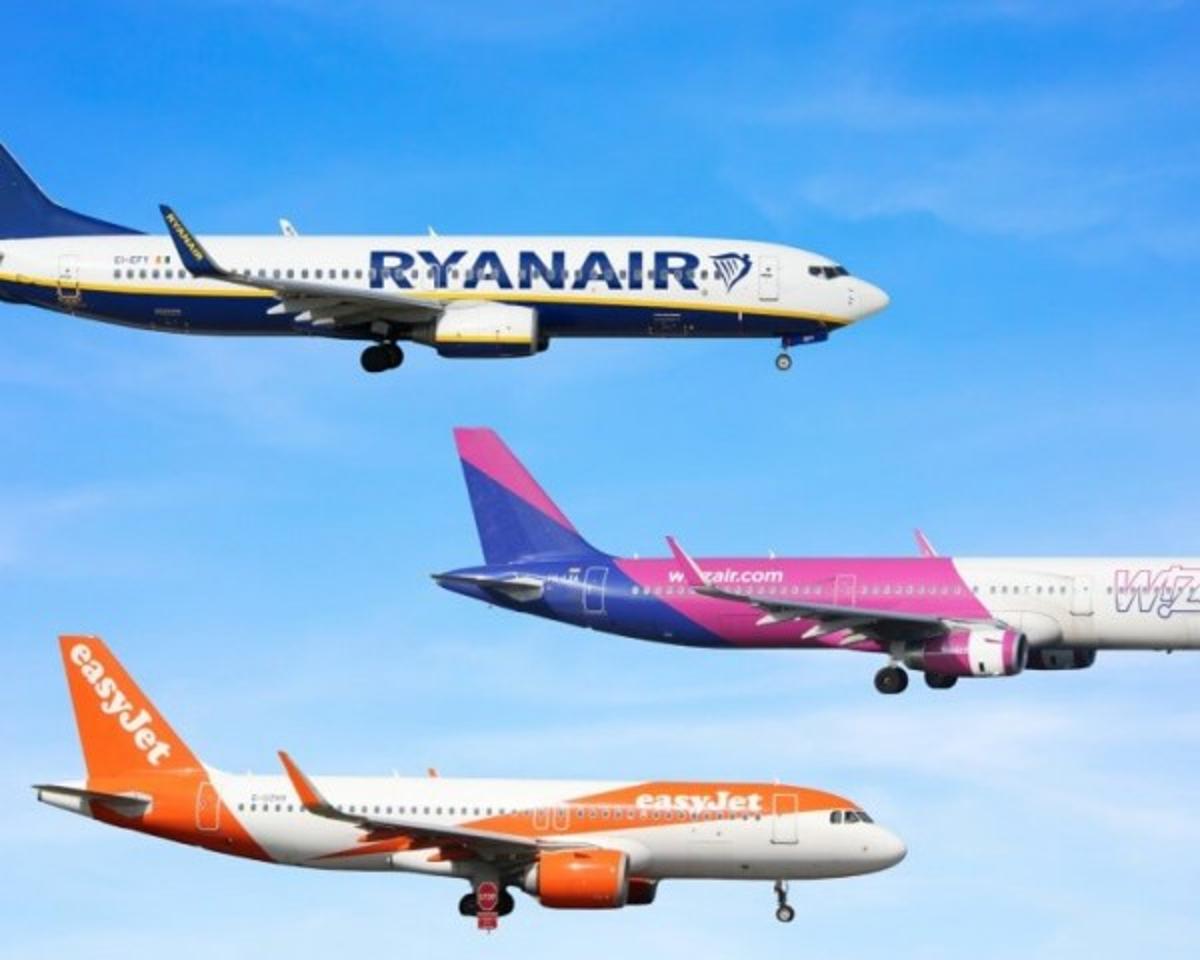
LOW-COST AIRLINES SUFFER MORE SEVERELY FROM THE SHARP JET FUEL PRICE INCREASE
Why It Matters
Higher fuel expenses erode the profitability of budget airlines, leading to reduced capacity and higher ticket prices that directly affect millions of price‑sensitive travelers during the busiest travel period.
Key Takeaways
- •Jet fuel prices up sharply due to Middle East tensions
- •Low‑cost carriers face larger profit squeeze than legacy airlines
- •Ryanair, Transavia, Volotea cut routes; Lufthansa cancels 20,000 flights
- •Hedged fuel contracts give some European budget airlines protection
- •Travelers may see higher fares and more last‑minute cancellations
Pulse Analysis
The recent surge in jet fuel costs stems from geopolitical volatility in the Middle East, where disruptions to the Strait of Hormuz have constrained oil shipments and driven kerosene prices to multi‑year highs. Fuel typically accounts for 30‑40% of an airline’s operating expenses, but low‑cost carriers operate on razor‑thin margins, making any abrupt price increase a direct threat to profitability. Unlike legacy carriers that often maintain diversified revenue streams and larger cash reserves, budget airlines must either pass costs to passengers or cut capacity to stay afloat.
European budget airlines have responded with a mix of tactical adjustments. Ryanair cites regulatory pressures in Germany while also trimming its summer schedule, whereas Transavia and Volotea have modestly reduced flight frequencies. Lufthansa’s low‑cost arm, however, took a more aggressive stance, canceling 20,000 short‑haul flights and shutting down its CityLine subsidiary to save roughly 40,000 metric tons of fuel. Airlines that secured hedged fuel contracts earlier in the year enjoy a buffer, but the majority remain exposed, prompting analysts to predict further cuts if prices stay elevated.
For travelers, the ripple effects are immediate and tangible. Expect higher base fares as carriers shift fuel surcharges onto tickets, and be prepared for last‑minute schedule changes or cancellations, especially on marginal routes. The pressure on budget airlines could also reshape market dynamics, with stronger players like Wizz Air choosing to maintain capacity to capture market share from rivals that pull back. In the longer term, sustained fuel price volatility may accelerate consolidation in the low‑cost segment and spur greater investment in fuel‑efficient aircraft or alternative energy solutions.
LOW-COST AIRLINES SUFFER MORE SEVERELY FROM THE SHARP JET FUEL PRICE INCREASE
Comments
Want to join the conversation?
Loading comments...