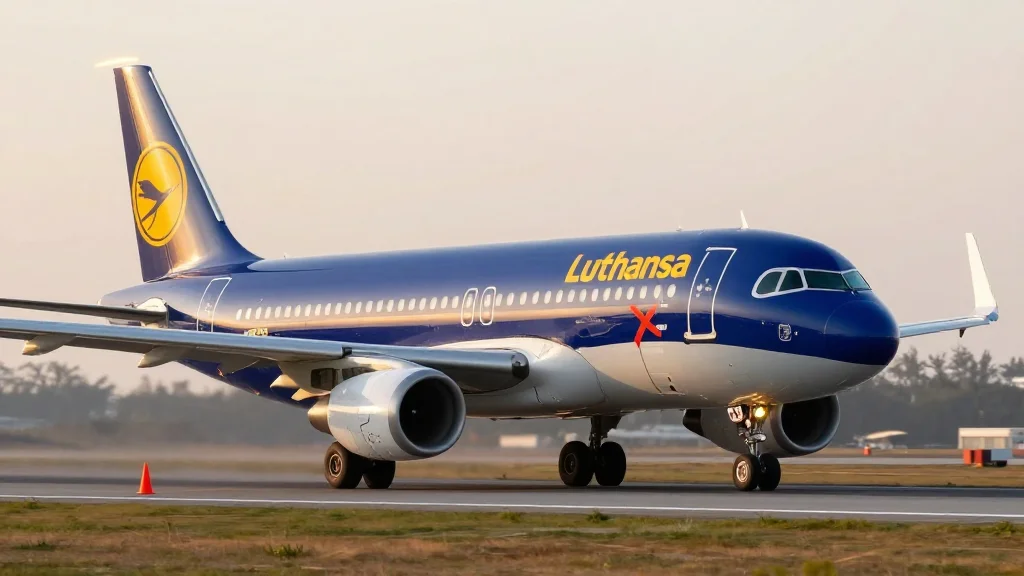
Lufthansa’s Proud 100-Year Celebration Derailed by Strikes
Companies Mentioned
Why It Matters
The strikes not only damaged Lufthansa’s centennial image but also strained the broader Star Alliance network, underscoring the commercial risk of labor disputes for a global carrier. Maintaining reliability is critical for Lufthansa’s premium positioning and for preserving confidence among business travelers and partners.
Key Takeaways
- •Lufthansa's centennial celebration coincided with flight‑attendant and pilot strikes
- •Strikes grounded hundreds of flights, affecting tens of thousands of passengers globally
- •Disruption rippled through Star Alliance, delaying connections on multiple continents
- •Reputation risk grows as repeated labor actions erode perceived reliability
- •Future growth hinges on aligning workforce relations with strategic expansion
Pulse Analysis
Lufthansa’s 100‑year milestone was meant to showcase a century of German engineering and global reach, yet the timing collided with a rare but powerful labor protest. Flight‑attendant and pilot unions chose the anniversary week to press for better wages and working conditions, turning the celebratory Hangar One event into a backdrop for industrial action. This convergence highlights how even well‑planned corporate milestones can be vulnerable to workforce dynamics, especially in an industry where employee satisfaction directly influences safety and service quality.
The immediate fallout extended far beyond Germany’s airports. As a core member of the world’s largest airline alliance, Lufthansa’s grounded aircraft triggered a domino effect: missed connections in Frankfurt reverberated to hubs in New York, Singapore, and Johannesburg, straining capacity on partner carriers already operating near limits. With Middle‑East airspace restrictions and heightened demand, the global aviation system had little slack to absorb such shocks, amplifying delays and cargo bottlenecks. The incident serves as a case study in how a single carrier’s labor dispute can ripple through an interconnected network, affecting revenue and passenger confidence across continents.
Long‑term, the episode forces Lufthansa to reassess its labor‑management strategy. Consistent reliability is a cornerstone of its premium brand, and repeated disruptions risk eroding that perception among high‑value business travelers. Aligning workforce expectations with strategic growth—whether through modernized scheduling, profit‑sharing, or enhanced dialogue—will be essential to safeguard the airline’s reputation and to capitalize on its new infrastructure investments. In an era where airlines compete on both service excellence and operational resilience, Lufthansa’s next century will hinge as much on internal cohesion as on fleet modernization.
Lufthansa’s Proud 100-Year Celebration Derailed by Strikes
Comments
Want to join the conversation?
Loading comments...