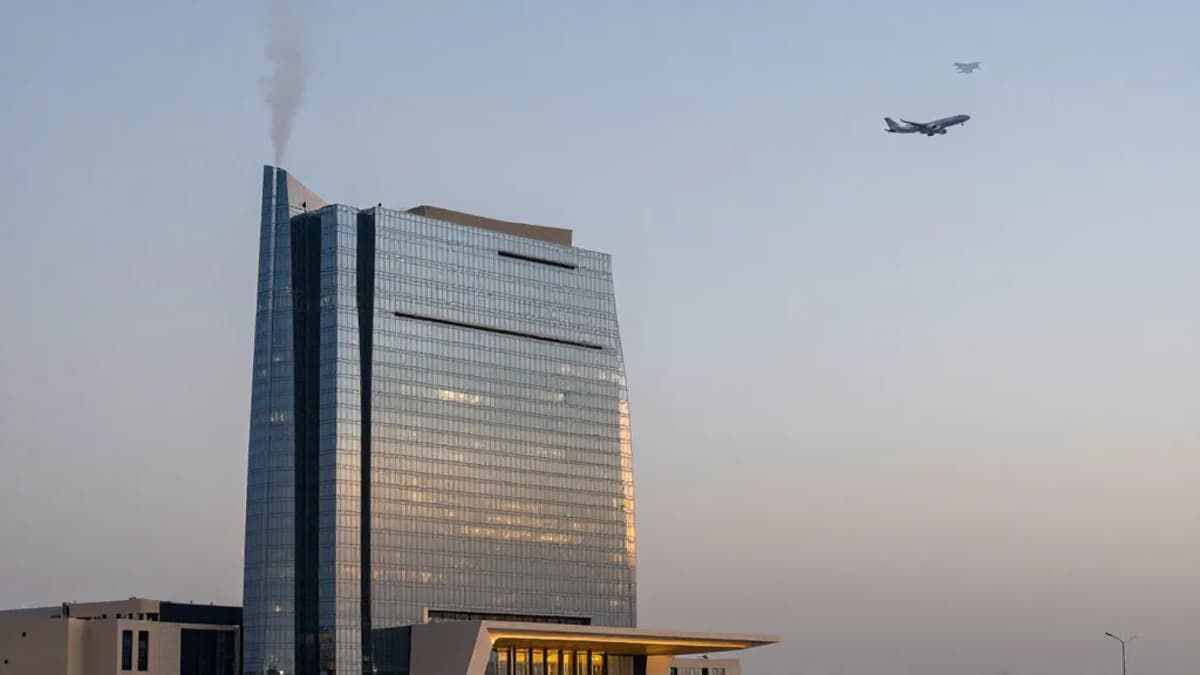
Major Explosions Rock Riyadh: Saudi Tourism, Air Travel & Regional Conflict Impact
•February 28, 2026
0
Why It Matters
The blasts threaten Saudi Arabia's tourism growth and could erode investor confidence, while also amplifying broader Gulf travel disruptions.
Key Takeaways
- •Explosions in Riyadh cause airport delays.
- •Travel advisories warn heightened caution for visitors.
- •Regional tensions could depress Gulf tourism revenues.
- •Investor confidence may waver amid security uncertainties.
- •Airlines reroute flights to avoid Iranian airspace.
Pulse Analysis
The sudden detonations in Riyadh have sent shockwaves through the kingdom’s aviation network, forcing King Khalid International Airport to operate under uncertainty. Airlines are scrambling to adjust schedules, with many opting to reroute flights away from contested Gulf corridors to mitigate the risk of further incidents. Passengers are advised to monitor airline communications closely, as real‑time updates become essential for navigating the evolving airspace restrictions.
Beyond the immediate logistical chaos, the explosions strike at the heart of Saudi Arabia’s Vision 2030 agenda, which relies on a booming tourism sector to diversify the economy. Recent travel advisories from Canada, the United States, and European nations now stress heightened vigilance, discouraging non‑essential travel to border regions and flagging potential airspace closures. Such warnings can quickly shift traveler perception, prompting cancellations and reducing inbound visitor numbers at a time when the kingdom is seeking to showcase new cultural and entertainment offerings.
In the longer view, sustained security volatility could dampen foreign investment in large‑scale tourism projects and mega‑event hosting, key pillars of the kingdom’s growth strategy. Investors weigh geopolitical risk heavily, and a pattern of unpredictable disruptions may lead to delayed financing or scaled‑back ambitions. While Saudi authorities emphasize resilience and coordination with allies, the episode highlights the delicate balance between regional geopolitics and economic diversification, reminding stakeholders that stability remains a prerequisite for sustained tourism and investment momentum.
Major Explosions Rock Riyadh: Saudi Tourism, Air Travel & Regional Conflict Impact
0
Comments
Want to join the conversation?
Loading comments...