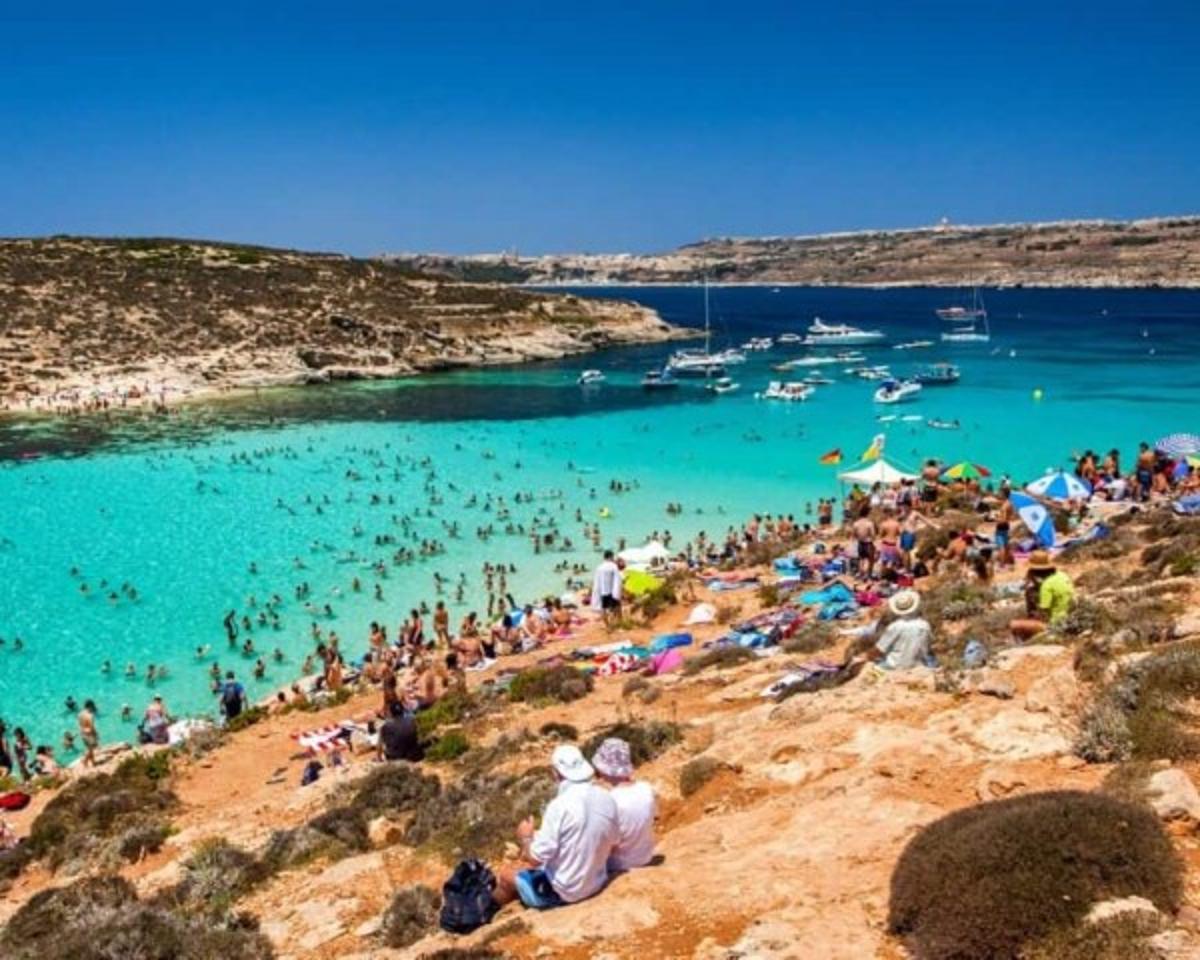
MASS TOURISM AND THE TRAVELER DILEMMA: EXPLORING THE WORLD WITHOUT HARM
Why It Matters
Unchecked visitor growth threatens the economic and social fabric of heritage destinations, risking long‑term revenue loss and cultural erosion. Implementing demand‑management policies safeguards both resident quality of life and sustainable tourism revenue streams.
Key Takeaways
- •Venice hosts 30 million tourists vs 55 k residents, prompting resident exodus.
- •Barcelona caps short‑term rentals and limits hotels to protect housing affordability.
- •Dubrovnik uses timed entry passes to control cruise‑ship crowd surges.
- •“Resonant tourism” advocates slower, community‑focused travel over checklist trips.
- •Fees and decentralized itineraries aim to shift demand from overcrowded hotspots.
Pulse Analysis
The surge in mass tourism has become a double‑edged sword for historic cities. While visitor spending approaches $1.5 trillion globally, the concentration of tourists in places like Venice, Barcelona, and Dubrovnik creates pressure on housing, infrastructure, and local identity. Residents face rising rents, dwindling services, and a sense of displacement as short‑term rentals and cruise ships dominate prime real estate. Policymakers are therefore forced to intervene, balancing economic benefits with community preservation.
Cities are experimenting with a suite of demand‑management tools. Venice introduced a visitor charge and sensor‑tracked pathways to fund maintenance and discourage fleeting foot traffic. Barcelona’s strict caps on short‑term rentals and hotel permits aim to keep housing affordable for locals, while redirecting tourists toward emerging neighborhoods such as Poblenou. Dubrovnik’s timed entry passes limit cruise‑ship disembarkations, turning an uncontrolled influx into a scheduled, manageable flow. These measures reflect a broader shift toward "resonant tourism," a concept championed by scholars who argue that travel should prioritize depth of experience over sheer volume.
The next frontier lies in reshaping traveler behavior through technology and itinerary design. Virtual reality previews can satisfy curiosity before a physical trip, reducing unnecessary footfall on fragile sites. Decentralized itineraries encourage visitors to explore lesser‑known districts, spreading economic benefits and easing congestion at iconic landmarks. By coupling modest fees with incentives for longer stays and off‑peak travel, destinations can transform from overrun attractions into sustainable cultural ecosystems that benefit both locals and tourists alike.
MASS TOURISM AND THE TRAVELER DILEMMA: EXPLORING THE WORLD WITHOUT HARM
Comments
Want to join the conversation?
Loading comments...