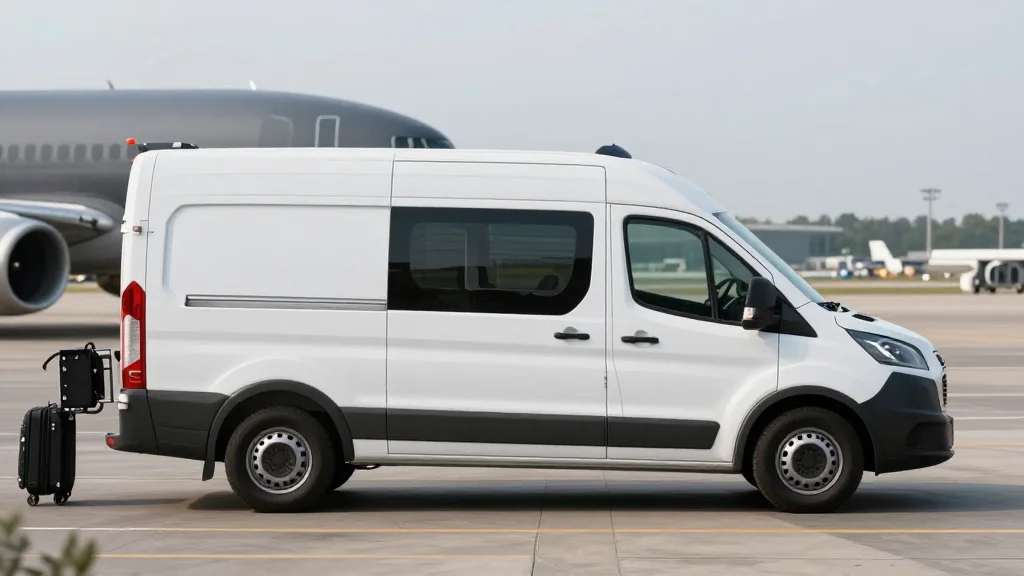
Massport Partners with Lyft and Uber to Launch New Shuttle Bus Service
Companies Mentioned
Why It Matters
By shifting solo rides to shared shuttles, the service reduces roadway congestion and curb demand while delivering a cheaper, faster airport‑to‑city connection—key for both passenger experience and regional mobility planning.
Key Takeaways
- •Massport launches shared shuttle service via Lyft and Uber at Logan Airport
- •Passengers book individual seats on high‑occupancy vans via app
- •Service offers lower fare and “Ticket to Skip” TSA line priority
- •Aims to reduce curb congestion and increase HOV travel
- •Supports sustainability by moving more passengers per vehicle
Pulse Analysis
Airports across the United States grapple with limited curb space and rising congestion as passenger volumes rebound. Traditional rideshare models, while convenient, often add to the scramble for curbside drop‑offs, inflating traffic and parking pressures. Shared‑ride concepts have emerged as a counterbalance, but few have been integrated directly into airport operations. Massport’s partnership with Lyft and Uber marks a strategic shift, embedding a scheduled, high‑occupancy shuttle into the core of Logan’s ground‑transport ecosystem, thereby aligning private‑sector flexibility with public‑sector capacity constraints.
The new shuttle service leverages the existing Lyft and Uber apps, allowing users to book a single seat on a van that follows a predetermined route and timetable. This model delivers predictable pricing, typically 30‑40% cheaper than a private ride, and includes a “Ticket to Skip” that propels passengers to the front of the TSA line—a tangible time‑saving incentive. By consolidating multiple travelers into one vehicle, the program reduces the number of curbside pickups, eases traffic flow around the terminal, and maximizes the utility of limited curb real estate. For commuters and occasional flyers alike, the service offers a reliable, affordable alternative to both parking and solo rideshare.
Beyond immediate operational benefits, the initiative signals a broader industry trend toward sustainable, shared mobility at high‑traffic nodes. Reducing vehicle miles traveled per passenger cuts emissions, supporting both local air‑quality goals and the aviation sector’s carbon‑reduction pledges. Other airports are likely to monitor Logan’s performance metrics—ridership uptake, congestion relief, and passenger satisfaction—to gauge the viability of replicating similar models. As airlines and airports seek to enhance the end‑to‑end travel experience, integrated shared‑shuttle services could become a standard component of multimodal airport access strategies.
Massport partners with Lyft and Uber to launch new shuttle bus service
Comments
Want to join the conversation?
Loading comments...