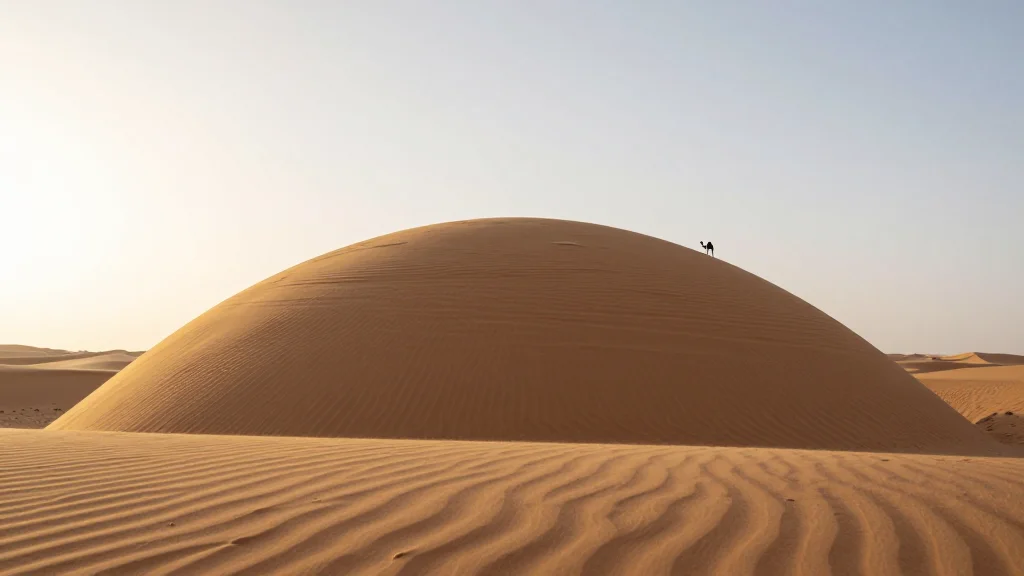
Mauritania: The Last Untouched Frontier of Authentic Tourism and Investment Opportunity
Why It Matters
The safety turnaround and infrastructure upgrades unlock a high‑growth tourism market, offering investors a rare opportunity in an untapped African destination. Sustainable development could diversify Mauritania’s economy beyond mining and agriculture.
Key Takeaways
- •Mauritania receives fewer tourists annually than many European museums
- •No major terrorist attacks since 2011, boosting safety perception
- •Government invested in border security and rural infrastructure
- •Richat Structure spans 40 km, drawing niche adventure travelers
- •Local entrepreneurs like Fatima Bouya pioneer desert‑based tourism
Pulse Analysis
Mauritania’s tourism narrative is shifting from obscurity to opportunity as global travelers crave genuine, low‑density experiences. While most of the world’s iconic deserts are now saturated with luxury resorts and influencer‑driven itineraries, Mauritania’s vast dunes, Atlantic coastline, and UNESCO‑listed caravan cities remain largely untouched. The Eye of Africa—a 40 km circular geological marvel—serves as a natural magnet for niche adventure seekers, positioning the country as a distinctive alternative to more commercialized Sahara destinations.
A pivotal factor behind this resurgence is Mauritania’s security transformation. After a wave of extremist violence in the mid‑2000s, the government launched a dual‑track strategy: heavy investment in modern military capabilities and community‑focused programs that counter radical narratives. Coupled with extensive rural infrastructure projects—electricity, clean water, telecoms, and health facilities—the nation has recorded no major terrorist attacks since 2011. This safety record, rare in the Sahel, reassures tour operators and high‑net‑worth travelers, enabling charter flights and boutique tour operators to reconsider the country’s viability.
The emerging tourism ecosystem also presents a fertile ground for investment. Local entrepreneurs like Fatima Cheikh Mohammad Bouya are already monetizing the Richat’s allure with desert‑camp experiences, while the government signals openness to public‑private partnerships in hospitality, eco‑tourism, and transport. Sustainable development frameworks are being discussed to protect fragile ecosystems and cultural heritage. For investors, Mauritania offers a low‑competition entry point with the potential for strong returns as visitor numbers scale, diversifying the nation’s economy beyond its dominant iron‑ore sector.
Mauritania: The Last Untouched Frontier of Authentic Tourism and Investment Opportunity
Comments
Want to join the conversation?
Loading comments...