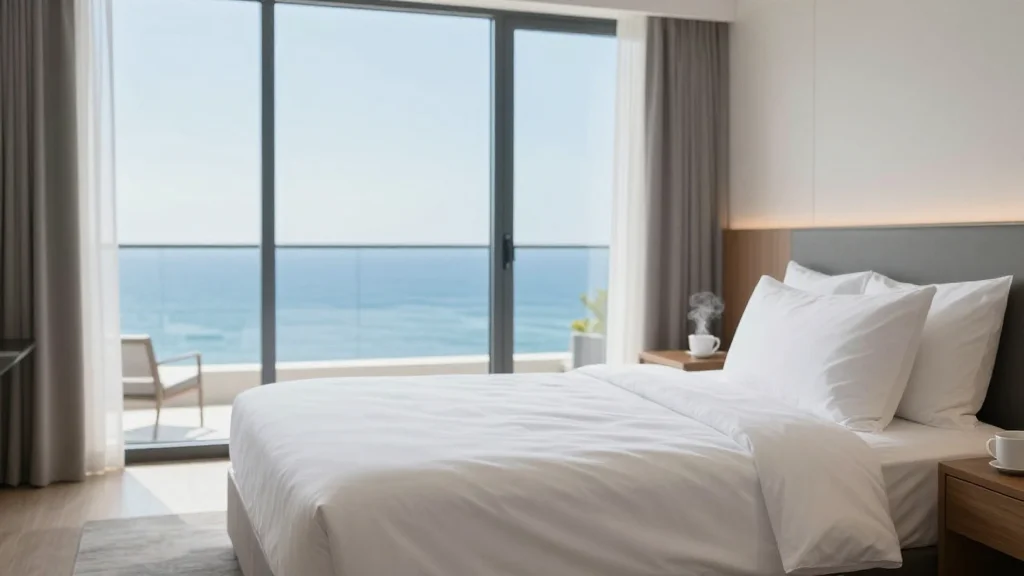
Micro Hotels vs Tiny Homes: What to Know About Mini Rooms & Rentals
Why It Matters
The rise of micro hotels and tiny homes expands affordable lodging options, forcing traditional hotels to rethink space efficiency and service models. Their growth signals a shift toward experience‑driven, minimalist travel that appeals to solo and business guests.
Key Takeaways
- •Micro hotels average 350 sq ft, focus on city centers
- •Tiny homes range 100‑400 sq ft, often listed on Airbnb/VRBO
- •Micro hotels offer hotel amenities; tiny homes may lack them
- •Both appeal to solo and business travelers seeking budget‑friendly stays
Pulse Analysis
The compact‑accommodation trend has accelerated as travelers prioritize cost savings and unique experiences over square footage. In Asia, micro‑hotel chains dominate skylines, delivering 350‑square‑foot rooms equipped with high‑speed Wi‑Fi, designer toiletries, and shared workspaces. U.S. brands such as Moxy, Pod Hotels, and YOTEL replicate this model in major cities, while platforms like Airbnb fuel the tiny‑home boom across suburban and wilderness locales, from Marriott’s Postcard Cabins to off‑grid Earthships. This dual growth reflects a post‑pandemic appetite for flexibility, allowing guests to toggle between urban convenience and nature‑focused retreats.
Space constraints shape the guest experience. Micro hotels leverage centralized locations, offering communal amenities—ice machines, lounges, co‑working zones—that offset the limited private area, making them ideal for solo business travelers who need quick access to meetings and city attractions. Tiny homes, by contrast, often include full kitchens and private bathrooms, appealing to travelers seeking self‑catering or digital‑detox stays, though Wi‑Fi quality and hot‑water reliability can vary widely. Understanding these trade‑offs helps travelers match accommodations to their itinerary and work‑style needs.
Looking ahead, investors see hybrid concepts emerging, blending hotel‑grade services with the autonomy of tiny homes. Sustainable design, modular construction, and smart‑home technology promise to reduce operating costs while enhancing guest comfort. For the industry, the challenge lies in scaling these models without diluting the boutique appeal that draws guests. Travelers should scrutinize amenity lists, read host reviews, and plan luggage strategically to maximize the benefits of these miniature stays.
Micro Hotels vs Tiny Homes: What to Know About Mini Rooms & Rentals
Comments
Want to join the conversation?
Loading comments...