Monarch Hotel Opens in San Antonio’s Hemisfair District with $185 Million Investment

Why It Matters
The Monarch Hotel illustrates a growing trend of boutique, experience‑driven hotels entering secondary U.S. markets, challenging the dominance of large chains in these cities. Its design and public‑space integration test whether luxury hospitality can coexist with local cultural preservation, a question that will influence future development decisions in heritage‑rich urban centers. Success or failure will also impact San Antonio’s broader economic diversification strategy. A thriving Monarch could attract further high‑value projects, boost tax revenues, and reinforce the city’s bid to become a modern metropolitan hub, while a stumble may reinforce skepticism toward large‑scale luxury investments in historically mid‑scale tourism economies.
Key Takeaways
- •Monarch Hotel opened April 12, 2026 in San Antonio’s Hemisfair District
- •Project cost $185 million, 17‑storey luxury boutique hotel
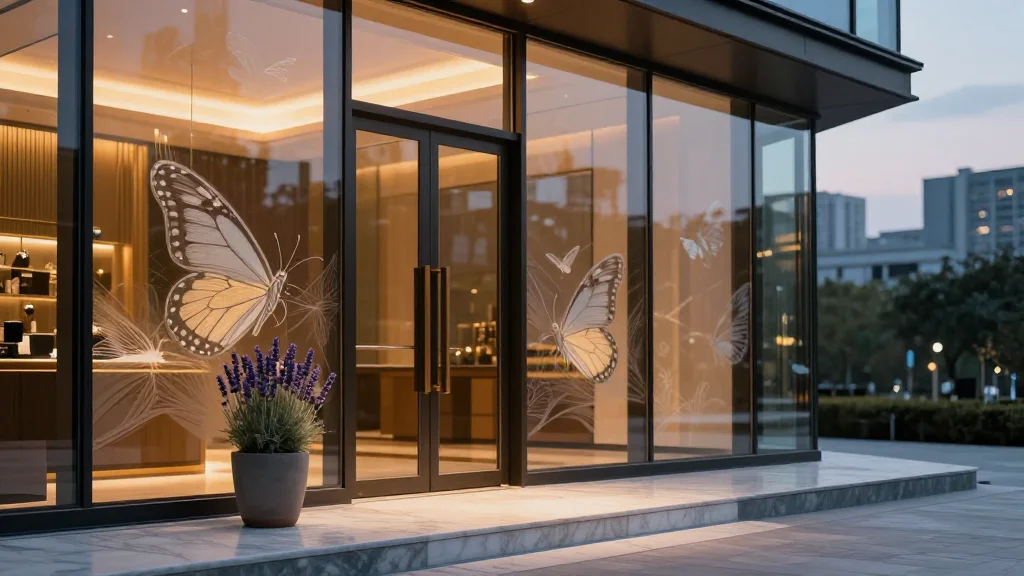
- •Designed by Overland Partners with monarch‑butterfly inspired architecture
- •Features $2 million public art piece ‘La Mariposa’ and two high‑end restaurants
- •Zachry Hospitality, a century‑old local family firm, leads the development
Pulse Analysis
The Monarch Hotel represents a strategic shift in how hospitality firms approach mid‑size U.S. cities. Historically, luxury brands have concentrated on primary markets like New York, Los Angeles, or Chicago, where demand for high‑end rooms is predictable. By planting a $185 million boutique property in San Antonio, Zachry Hospitality signals confidence that affluent travelers are seeking authentic, design‑forward experiences beyond the traditional hubs. This aligns with a broader industry pivot toward “experience hotels” that blend lodging with cultural and culinary programming.
From a competitive standpoint, the Monarch directly challenges the dominance of established chains such as Marriott’s Autograph Collection and Hilton’s Curio brand, which have recently rolled out upscale concepts in secondary markets. Zachry’s local pedigree may give it an edge in navigating community concerns, but the hotel must still prove its financial viability. Occupancy rates, average daily rate (ADR), and RevPAR will be closely watched as leading indicators of whether the market can sustain premium pricing without alienating the city’s core tourism base.
Looking ahead, the Monarch’s performance could set a precedent for similar projects in other heritage‑rich cities seeking to modernize without eroding local character. If the hotel succeeds in attracting both tourists and residents, it may inspire a wave of mixed‑use luxury developments that prioritize public accessibility. Conversely, if occupancy lags or community backlash intensifies, developers may reconsider the scale and scope of future boutique ventures in comparable markets. The next six months will be a critical proving ground for this high‑stakes experiment in urban hospitality.
Monarch Hotel Opens in San Antonio’s Hemisfair District with $185 Million Investment
Comments
Want to join the conversation?
Loading comments...