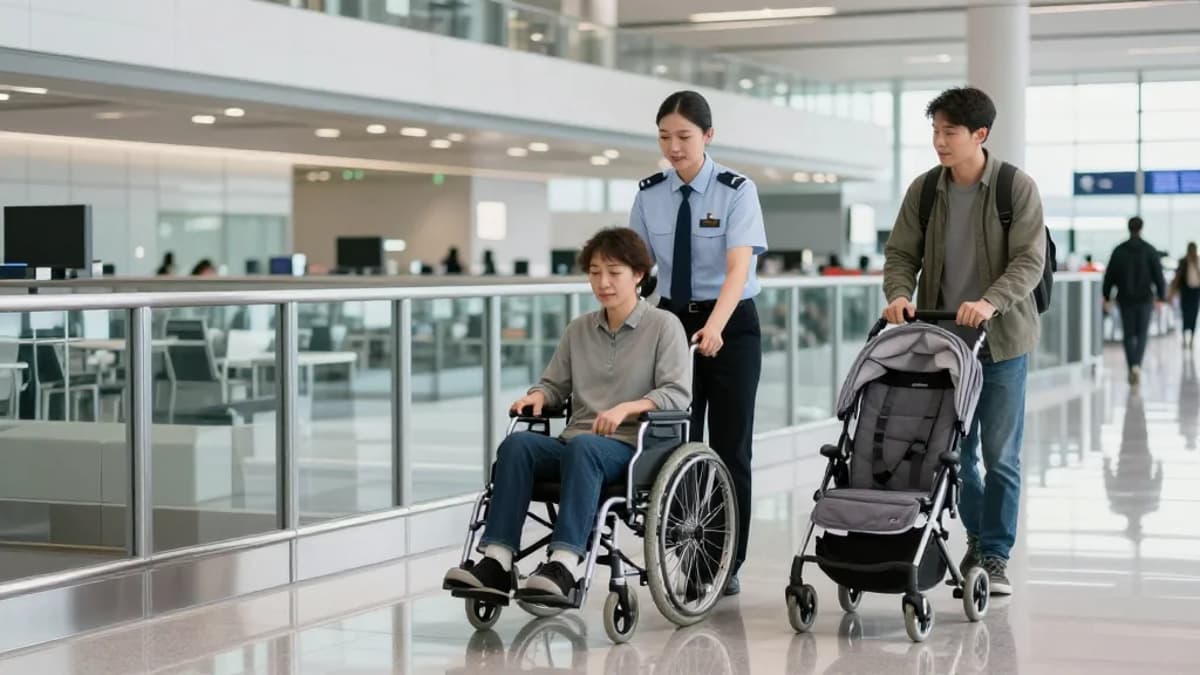
MUC Boosts Checkpoint Inclusivity
•March 9, 2026
0
Why It Matters
The initiative sets a new standard for accessible air travel in Europe, enhancing passenger experience and potentially prompting other airports to adopt similar inclusive designs.
Key Takeaways
- •First inclusive security checkpoint in Germany.
- •Barrier‑free design supports reduced mobility and non‑visible disabilities.
- •Staff‑guided process replaces automated boarding‑pass readers.
- •Child‑friendly films and spacious layout ease family travel.
- •Adds 400 passengers per hour capacity in Terminal 2.
Pulse Analysis
Accessibility has become a strategic priority for airports worldwide, driven by aging populations, heightened awareness of disability rights, and regulatory pressure. Munich Airport’s latest move—opening Germany’s first inclusive security checkpoint—places the Bavarian hub at the forefront of this shift. The project builds on the Sunflower Programme, an initiative launched in 2025 to improve services for passengers with non‑visible disabilities, and reflects a broader European push toward barrier‑free travel. By foregrounding human interaction over automated technology, the airport signals a commitment to a more humane, people‑centric security experience.
The new lane replaces the standard electronic boarding‑pass scanner with a dedicated staff member who greets travelers and adjusts the pace of the screening process. Its layout is fully barrier‑free, offering wider aisles, lowered equipment, and a larger baggage‑inspection system capable of handling wheelchairs, walkers, and buggies without delay. For families, bright colours, short children’s films, and extra seating create a calming environment that reduces stress for both parents and young passengers. These design choices directly address the needs of reduced‑mobility travelers and those with hidden impairments, delivering a seamless journey from curb to gate.
From a commercial perspective, the checkpoint adds capacity for roughly 400 additional passengers per hour in Terminal 2, helping Munich Airport accommodate growing traffic without expanding its footprint. The inclusive model also enhances brand perception, attracting airlines and passengers who value social responsibility. As regulators in the European Union tighten accessibility standards, other hubs are likely to emulate Munich’s approach to avoid compliance gaps and potential fines. Ultimately, the initiative not only improves the travel experience but also creates a competitive differentiator that could drive higher passenger loyalty and revenue growth.
MUC boosts checkpoint inclusivity
0
Comments
Want to join the conversation?
Loading comments...