Nine Percent of Full-Service Restaurants at Risk of Closing in 2026, Black Box Warns
•March 3, 2026
0
Why It Matters
The projected closures could reshape the full‑service dining landscape, driving market consolidation, job losses and altered real‑estate values, while offering growth opportunities for surviving brands that reallocate capital efficiently.
Key Takeaways
- •9% full-service restaurants flagged as “at risk” 2026
- •Units losing >30% peak sales face inevitable closure
- •Inflation raised costs by one‑third since 2019
- •Quick‑service segment shows only 4% at‑risk units
- •Strategic closures can boost remaining locations’ profitability
Pulse Analysis
The looming wave of full‑service restaurant closures underscores how tightly the sector is coupled to broader macroeconomic forces. Since 2019, cumulative inflation has surged by roughly 33 %, eroding profit margins and making it untenable for units that have already shed more than a third of their historic sales. In addition, rising prevalence of diabetes and the corresponding uptake of GLP‑1 medications are dampening appetite for traditional dining experiences, especially in regions like Fresno‑Visalia and Oklahoma City where these health trends are pronounced. Together, cost pressure and shifting consumer health profiles create a perfect storm for underperforming locations.
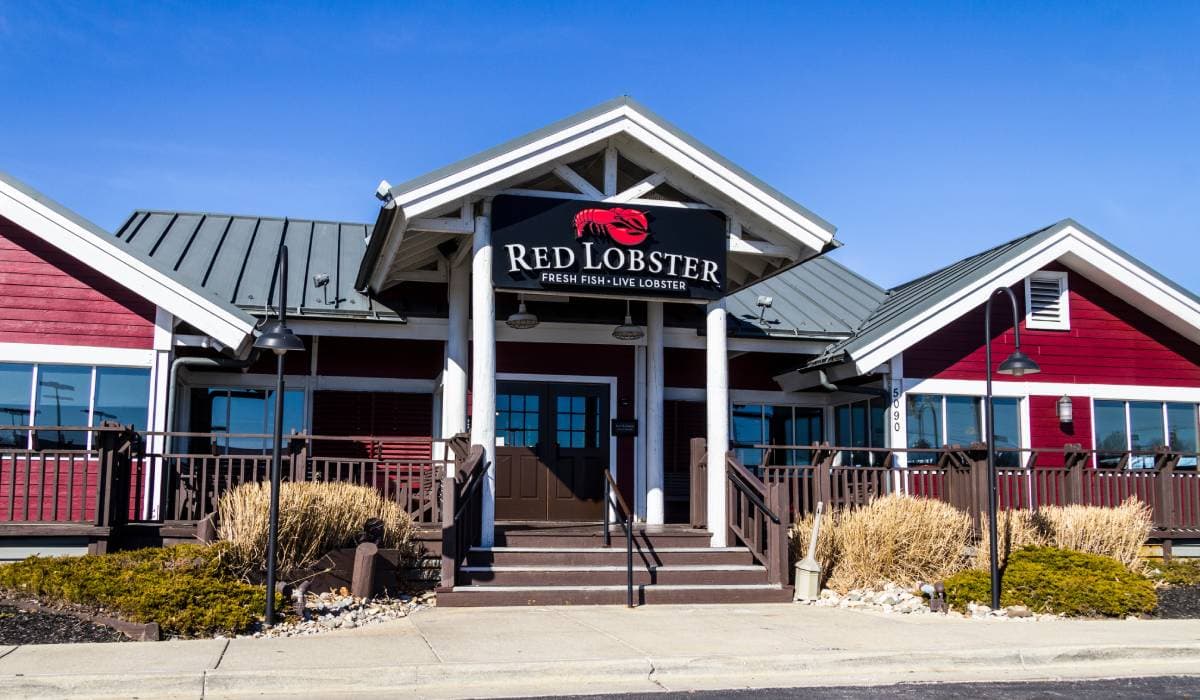
Quick‑service and fast‑casual concepts, however, are navigating the same environment with markedly better resilience. Net unit growth of 5.8 % for QSR and 15.5 % for fast‑casual since 2022 has kept at‑risk rates to a modest four percent, highlighting the advantage of lower overhead and adaptable menus. Industry leaders such as TGI Fridays, Red Lobster and Denny’s have already demonstrated the efficacy of strategic shutdowns, shedding hundreds of low‑performing units to concentrate resources on high‑potential sites. This “traffic‑transfer” approach not only salvages revenue but also strengthens brand equity.
For investors and landlords, the forecast signals a shift toward a leaner, more profitable full‑service segment. Consolidation will likely increase the bargaining power of surviving restaurants, enabling them to negotiate better lease terms and attract higher‑spending diners. Employees may face displacement, yet the reallocation of capital could spur hiring in thriving locations. Restaurateurs should benchmark unit performance against local competitors, prioritize locations with strong sentiment scores, and execute proactive closures before cash flow turns critical. Those that master portfolio optimization are poised to emerge stronger in the post‑2026 market.
Nine Percent of Full-Service Restaurants at Risk of Closing in 2026, Black Box Warns
0
Comments
Want to join the conversation?
Loading comments...