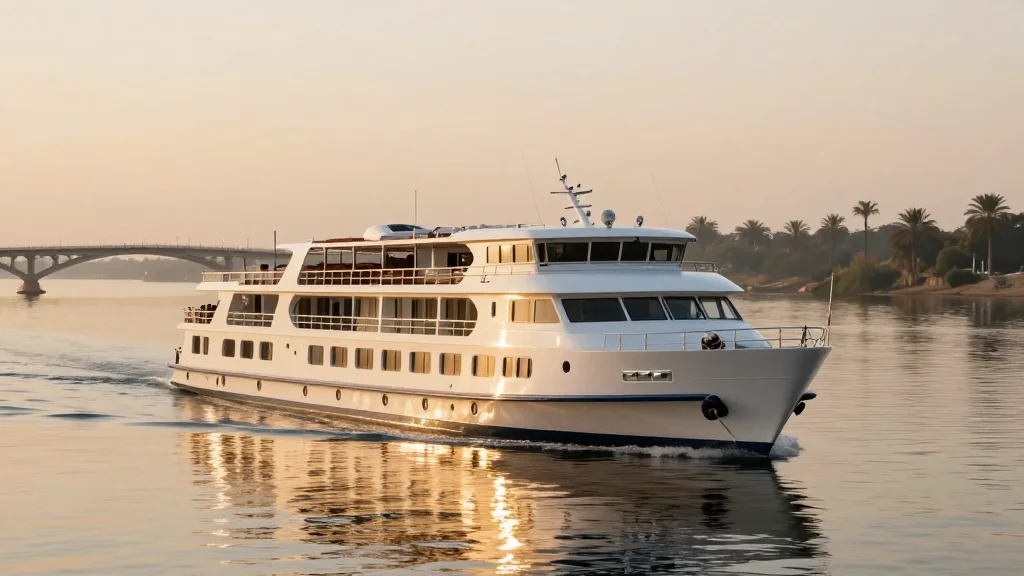
On the Nile, the US Quietly Re-Entered the Global Tourism Arena Through WTTC
Why It Matters
By elevating tourism to a pillar of U.S. foreign policy, the move creates a new channel for economic diplomacy, job creation and global influence in a sector that now contributes $11.6 trillion to world GDP.
Key Takeaways
- •U.S. appoints first Special Presidential Envoy for Tourism
- •WTTC Nile cruise positioned tourism as diplomatic bridge
- •Target set: 100 million U.S. visitors per year by 2030
- •Travel & tourism adds $11.6 trillion to global GDP, 366 M jobs
Pulse Analysis
The United States has long dominated the travel market, yet it operated largely outside formal tourism governance. The creation of a Special Presidential Envoy for Tourism marks a decisive pivot, positioning travel alongside traditional diplomatic instruments. By delivering his inaugural speech at the World Travel & Tourism Council’s Nile cruise, Envoy Nick Adams leveraged the council’s convening power to showcase a coordinated U.S. strategy that blends policy, infrastructure investment, and industry partnership.
Strategically, the envoy’s agenda dovetails with three high‑profile events: the 2026 G20 summit, the FIFA World Cup, and the America 250 centennial celebrations. By tying tourism promotion to these milestones, the United States aims to attract 100 million foreign visitors annually by 2030, a target that could generate hundreds of thousands of jobs and spur regional investment. The emphasis on public‑private alignment reflects a broader recognition that tourism drives labor market resilience, aviation policy, and soft‑power outreach, making it a critical lever for economic growth.
Looking ahead, tourism is being recast as geopolitical infrastructure capable of sustaining dialogue when traditional channels falter. The WTTC’s evolving role as a neutral bridge between governments and industry positions it to facilitate the next phase of travel—one focused on sustainability, digital innovation, and resilience against geopolitical shocks. For the United States, sustained engagement through the envoy office and continued WTTC collaboration could cement its influence over global tourism standards, ensuring the sector remains a robust engine of growth and diplomatic goodwill.
On the Nile, the US Quietly Re-Entered the Global Tourism Arena Through WTTC
Comments
Want to join the conversation?
Loading comments...