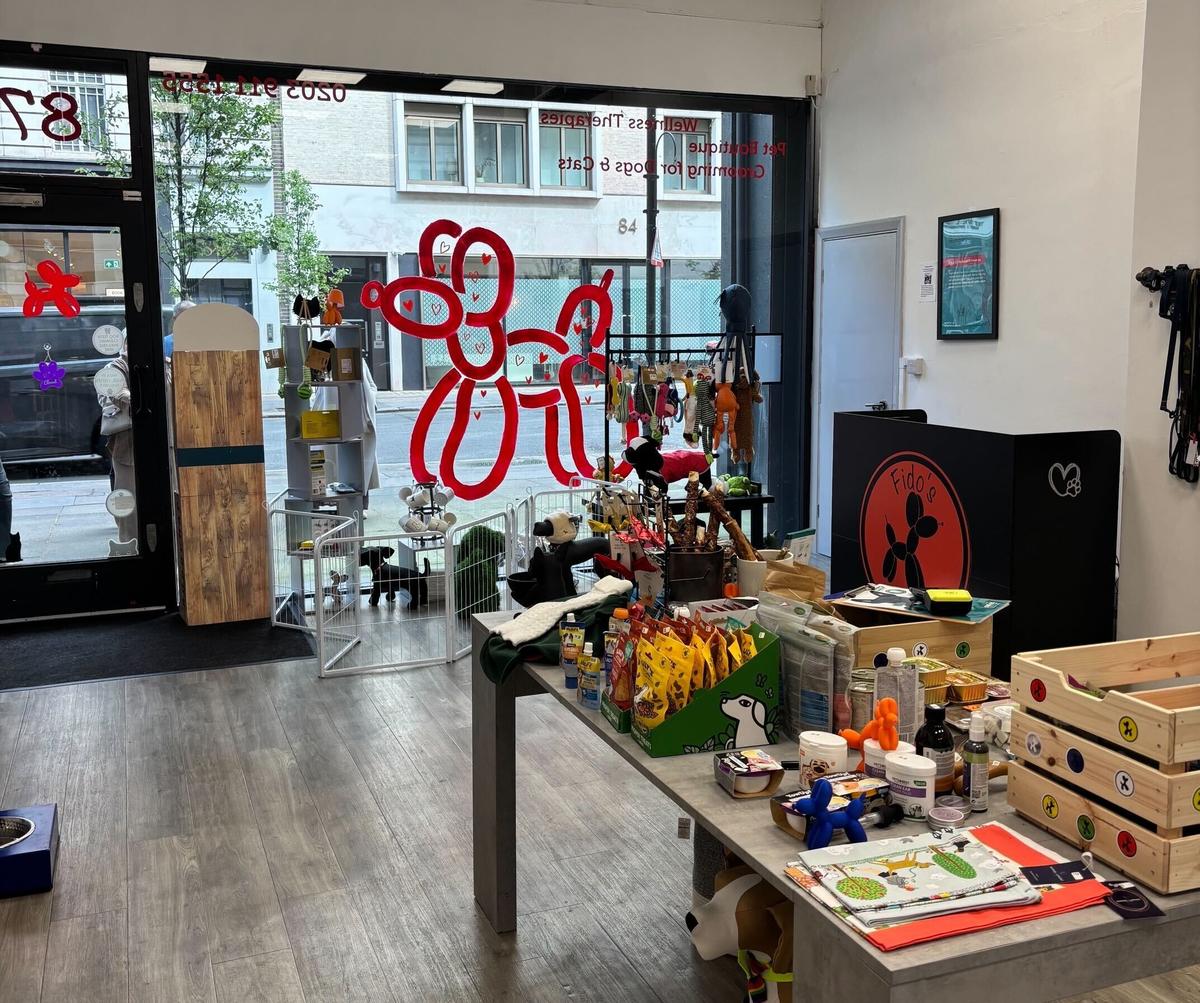
One of London’s Poshest Neighbourhoods Could Be Getting a New Hotel for Dogs
Why It Matters
The decision will test how urban planners balance burgeoning luxury pet‑care ventures with residential quality‑of‑life concerns, setting a precedent for similar developments in dense cities.
Key Takeaways
- •Fido’s of Fitzrovia seeks Westminster approval for overnight dog boarding
- •Proposal includes six temperature‑controlled pods on ground and basement
- •Neighbors fear noise and disruption, citing quiet‑enjoyment rights
- •Owner cites acoustic studies proving low‑impact operation
- •Luxury pet‑care trend could reshape dense urban neighborhoods
Pulse Analysis
London’s pet‑care market has been evolving from basic grooming to full‑service luxury experiences, mirroring a broader shift in consumer spending toward premium animal services. Brands like Fido’s of Fitzrovia are capitalising on affluent owners willing to pay for treatments ranging from acupuncture to micro‑bubble therapy, and now, overnight boarding that rivals boutique hotels. This trend reflects higher disposable incomes and the growing perception of pets as family members, prompting entrepreneurs to seek new revenue streams in high‑density neighbourhoods where space is scarce.
The proposed dog hotel, however, has ignited a classic urban planning conflict: the clash between commercial innovation and residential amenity. Neighbourhoods such as Fitzrovia, characterised by Georgian terraces and historic pubs, are protected by strict planning policies that prioritise quiet enjoyment. Residents’ objections centre on potential noise, increased foot traffic, and the perceived incompatibility of a 24‑hour animal facility within a primarily residential block. Westminster Council’s decision will hinge on the acoustic assessments submitted by Fido’s, which claim the pods are sound‑proofed and that operational hours will be limited to minimise disturbance.
If approved, the project could pave the way for similar luxury pet‑care concepts across London and other global cities, signalling that municipalities are willing to accommodate high‑margin niche services when evidence demonstrates minimal impact. Conversely, a rejection would reinforce the primacy of community standards over commercial ambition, prompting pet‑service providers to explore alternative models such as off‑site boarding or partnership with existing hotels. Either outcome will shape the future landscape of urban pet‑care, influencing investment decisions and regulatory frameworks for years to come.
One of London’s poshest neighbourhoods could be getting a new hotel for dogs
Comments
Want to join the conversation?
Loading comments...