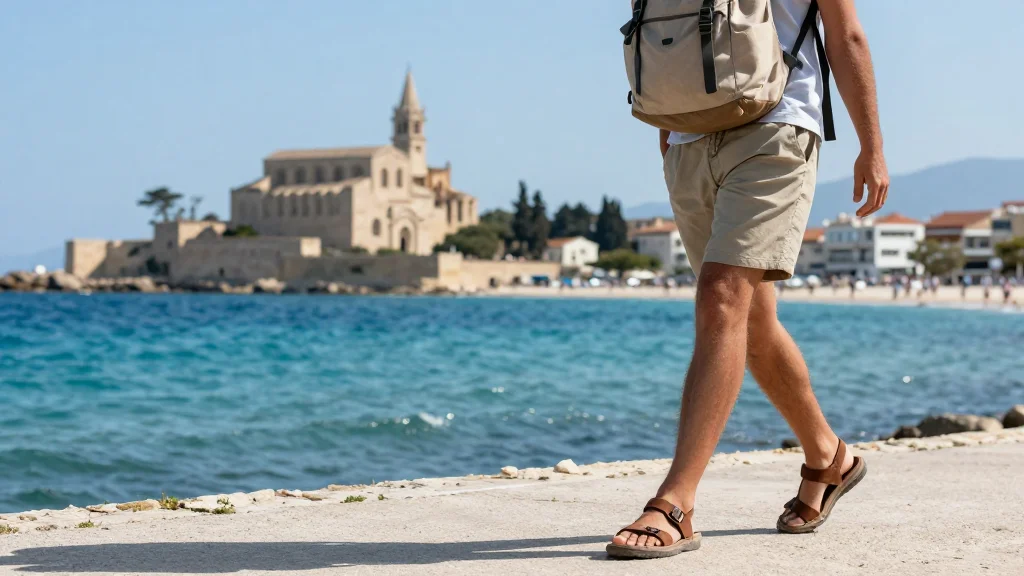
Palma De Mallorca Takes Centre Stage in Mallorca’s New Way of St James
Why It Matters
The new Mallorca segment diversifies the traditional Camino network, attracting pilgrims seeking off‑peak, culturally rich routes, and bolsters Palma’s tourism economy by turning the city into a strategic pilgrimage hub.
Key Takeaways
- •El Camino de Lana spans 67 km across Mallorca.
- •Route passes through ten municipalities, ending at Sant Jaume.
- •Four-day trek offers Mediterranean scenery and cultural heritage.
- •Palma serves as gateway to mainland continuation to Santiago.
- •Mild off‑season climate attracts pilgrims seeking tranquility.
Pulse Analysis
The Way of St James, long dominated by the French and Northern Spanish routes, has seen a surge in alternative paths that blend spirituality with regional charm. Mallorca’s addition, branded as El Camino de Lana, reflects this shift, offering pilgrims a Mediterranean entry point that contrasts with the rugged northern trails. The island’s UNESCO‑listed Serra de Tramuntana, historic villages and coastal vistas provide a unique backdrop, while the route’s official seal‑stamping system preserves the age‑old Jacobean tradition. This diversification meets a growing segment of travelers who value cultural immersion over high‑traffic pilgrimages.
The 67‑kilometre itinerary is divided into four stages, each averaging 15‑18 km, and threads through ten municipalities before culminating at the Gothic Church of Sant Jaume. Along the way, hikers encounter the Lluc Sanctuary’s monastic serenity, the stone‑built charm of Lloseta, and the agrarian landscapes of Santa María del Camí. Palma itself offers a cosmopolitan finish, with world‑class gastronomy, art galleries and easy ferry connections to the Valencian Community, enabling pilgrims to seamlessly transition to the mainland leg toward Santiago.
Beyond the spiritual draw, the new Camino is a catalyst for Palma’s tourism revenue, extending the visitor season into shoulder months when temperatures are mild and crowds thin. Local businesses—from rural guesthouses to urban boutique hotels—stand to benefit from increased foot traffic and longer stays. As European pilgrimage tourism rebounds post‑pandemic, Mallorca’s strategic positioning as both destination and gateway could inspire similar island‑based extensions elsewhere, reinforcing the broader trend of experiential, low‑impact travel.
Palma De Mallorca Takes Centre Stage in Mallorca’s New Way of St James
Comments
Want to join the conversation?
Loading comments...