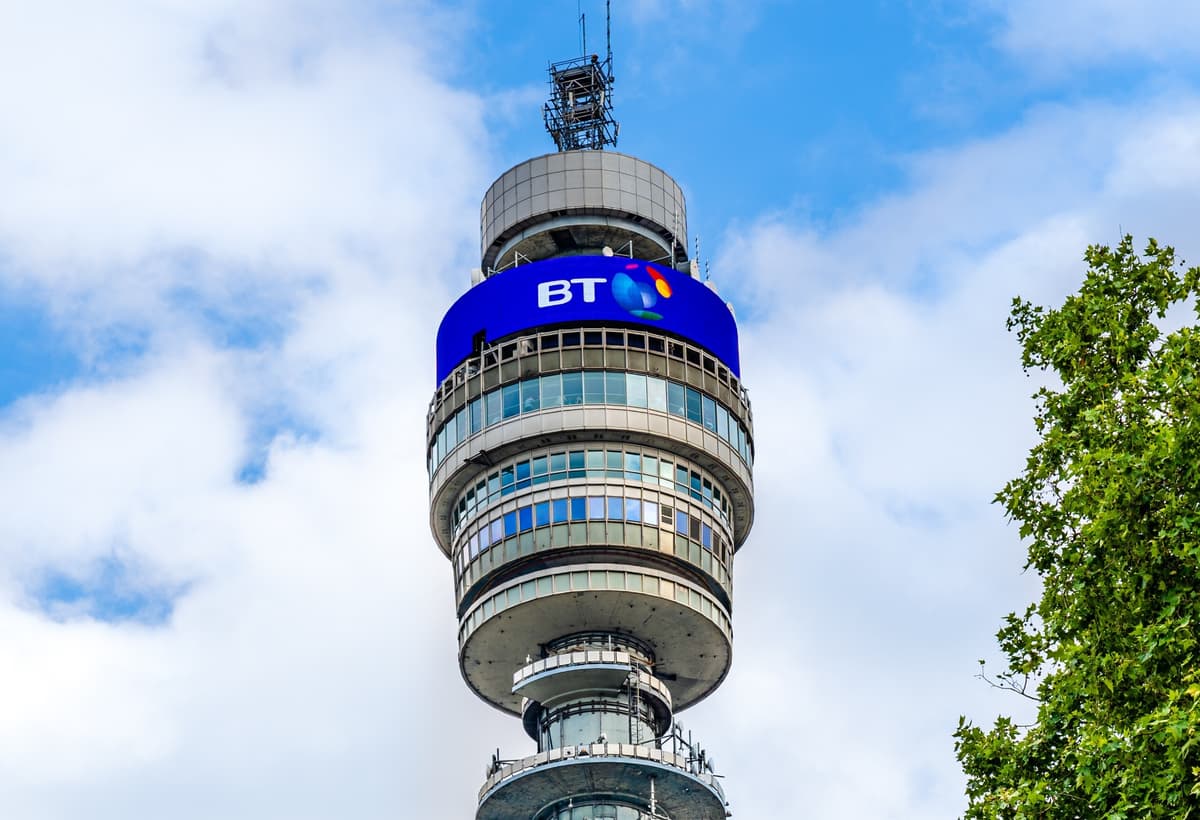
Plans Have Been Revealed for a Bonkers Rooftop Pool at the Top of London’s Iconic BT Tower
Why It Matters
Transforming the BT Tower into a hotel with public amenities revitalizes a historic landmark, boosts tourism, and creates local jobs, signaling a broader trend of adaptive reuse in major cities.
Key Takeaways
- •MCR Hotels purchases BT Tower for luxury hotel conversion
- •Architect Orms leads design after Heatherwick steps back
- •Plans include publicly accessible rooftop pool and square
- •Public consultation scheduled for May 11‑16 in Fitzrovia
- •Project promises jobs and revitalized landmark for London
Pulse Analysis
Adaptive reuse of iconic structures has become a hallmark of 21st‑century urban development, and London’s BT Tower is the latest high‑profile example. Originally opened in 1964 as a symbol of Britain’s telecommunications prowess, the tower has long been a visual anchor on the skyline. Its conversion into a hotel reflects a growing appetite among investors to repurpose heritage assets for hospitality, leveraging brand recognition while preserving cultural value. This trend aligns with global projects such as New York’s High Line and Paris’s former railway stations turned hotels, where historic fabric meets contemporary experience.
The design vision, now in the hands of Orms, introduces a publicly accessible rooftop pool and a surrounding square, a bold move that transforms a previously restricted site into a civic amenity. By placing leisure facilities at the tower’s apex, the development promises panoramic city views that can attract both hotel guests and local visitors, enhancing London’s tourism portfolio. Architecturally, the pool challenges engineering norms, requiring innovative structural solutions to support water weight atop a slender tower. The public square at ground level further integrates the site with Fitzrovia’s historic streetscape, fostering community interaction and reinforcing the tower’s role as a place‑making catalyst.
Economically, the project is poised to generate significant employment, from construction jobs to hospitality roles, supporting the post‑pandemic recovery of London’s service sector. MCR’s call for public feedback underscores a commitment to stakeholder engagement, ensuring the development aligns with local expectations. If approved, the BT Tower hotel could set a precedent for future landmark conversions, demonstrating how heritage preservation, commercial viability, and public benefit can coexist in a single, high‑visibility project.
Plans have been revealed for a bonkers rooftop pool at the top of London’s iconic BT Tower
Comments
Want to join the conversation?
Loading comments...