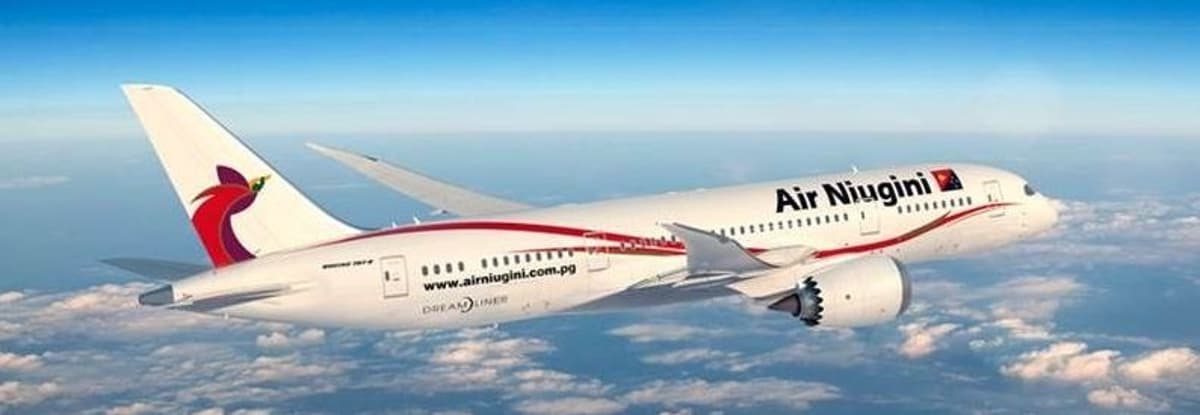
PNG's Air Niugini Cancels Its B787-8 Order
Companies Mentioned
Why It Matters
The cancellation forces the state‑owned airline to reassess its fleet renewal strategy, impacting regional connectivity and Boeing’s order book in the Pacific market.
Key Takeaways
- •Air Niugini cancels two Boeing 787‑8 aircraft orders.
- •B767‑300ER fleet to exit service in 2026 without replacement.
- •New CEO Alan Milne returns, focusing on profitability and privatisation.
- •Earlier board cautions cited “changing circumstances” for order review.
- •Airline explores bridging lift capacity options pending new aircraft delivery.
Pulse Analysis
Air Niugini’s abrupt cancellation of its 787‑8 order underscores the financial tightrope that many Pacific carriers walk when modernising ageing fleets. The B767‑300ERs, which have served the airline for decades, are due back to lessors this year, and the loss of a direct replacement threatens route continuity on high‑yield international sectors. For Boeing, the withdrawal of two Dreamliners from a government‑backed customer dents its growth narrative in a region where demand is modest but strategically important for market diversification.
Without the 787s, Air Niugini must bridge the capacity shortfall through interim solutions. Its existing mix—A220‑300s, 737‑800s, and a robust turboprop fleet—offers some flexibility, yet the wide‑body gap limits long‑haul ambitions. Leasing a used wide‑body or accelerating the acquisition of additional A220‑100s could preserve service levels while the airline evaluates longer‑term financing options. Competitors such as Qantas and Virgin Australia are expanding low‑cost offerings into PNG, raising pressure on Air Niugini to maintain competitive frequencies and fare structures.
The leadership shuffle adds another layer of strategic recalibration. Alan Milne’s return, coupled with the board’s stated intent to prepare for partial privatisation, signals a shift toward commercial discipline and potential external investment. Milne’s experience with regional operators may help craft a sustainable fleet plan that balances cost, performance, and market demand. Investors will watch closely for any partnership or financing deals that could reshape the carrier’s asset base and restore confidence in its growth trajectory.
PNG's Air Niugini cancels its B787-8 order


Comments
Want to join the conversation?
Loading comments...