Press Release: JFK’s New Terminal One Details Biometric Initiative
•February 11, 2026
0
Why It Matters
EPP promises faster border clearance, reducing wait times while maintaining security, positioning JFK as a leading hub for seamless international travel. The rollout signals a shift toward biometric automation across major U.S. ports of entry.
Key Takeaways
- •EPP uses real-time facial biometrics for U.S. citizens
- •iProov supplies biometric tech; no enrollment or fee required
- •CBP expects reduced wait times and better resource allocation
- •Terminal One part of $19B JFK modernization, opening 2026
- •Initiative aims to improve security while enhancing traveler experience
Pulse Analysis
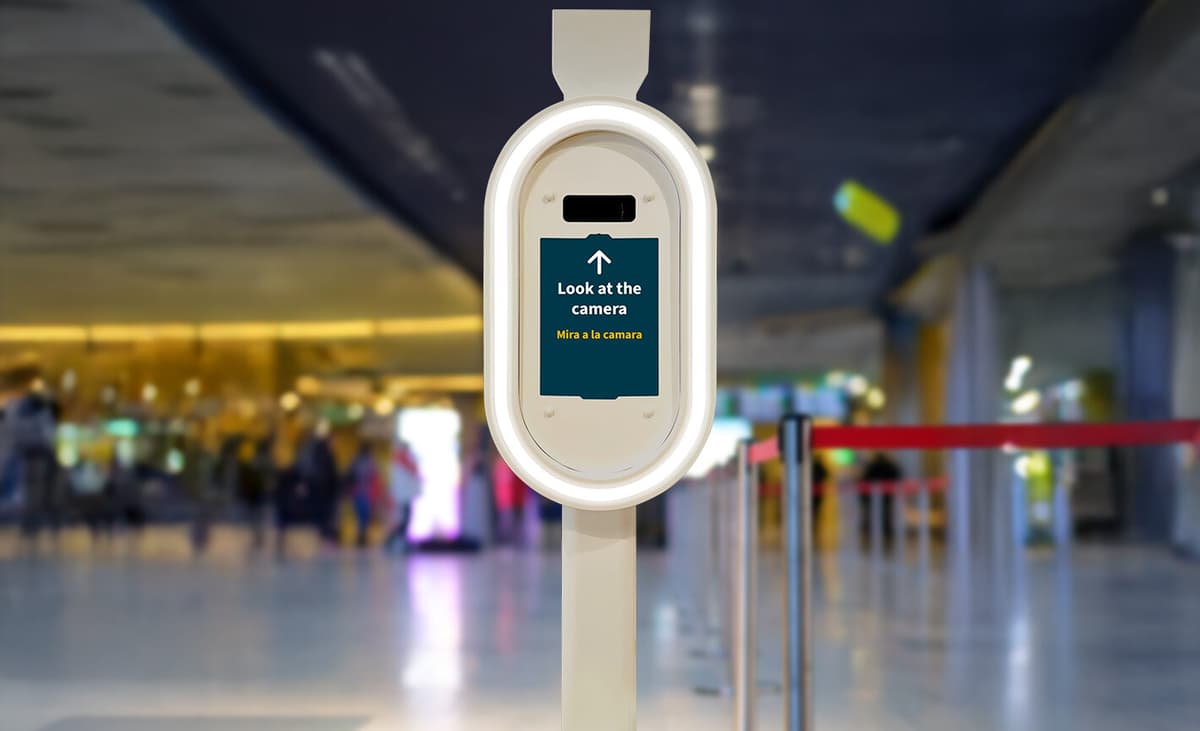
Biometric verification is rapidly becoming the backbone of modern airport security, and JFK’s New Terminal One is at the forefront with its Enhanced Passenger Processing (EPP) system. Leveraging iProov’s on‑the‑move facial recognition, EPP confirms traveler identities instantly, eliminating the need for paper documents or manual checks. The technology operates seamlessly within the existing CBP workflow, allowing eligible U.S. citizens to glide through arrivals without pre‑registration, while still offering a traditional lane for those who prefer it.
For Customs and Border Protection, EPP delivers operational efficiencies that extend beyond passenger convenience. Real‑time identity confirmation frees officers to focus on higher‑risk cases, improving resource allocation and overall security posture. Early deployments at other ports have shown measurable reductions in queue length and processing time, translating into higher throughput per officer. The system also supports group processing, accommodating families and travelers with mobility needs, thereby broadening its impact on the overall traveler experience.
Strategically, EPP reinforces the $19 billion transformation of JFK into a world‑class gateway. The new terminal, slated to open its first phase in 2026, will host dozens of global airlines and aim for a top‑tier Skytrax rating. By embedding cutting‑edge biometric technology, the airport not only enhances its competitive edge but also sets a benchmark for future U.S. and international terminals. As biometric adoption accelerates, JFK’s early investment positions it to capture both efficiency gains and passenger loyalty in a rapidly evolving aviation landscape.
Press Release: JFK’s New Terminal One details biometric initiative
0
Comments
Want to join the conversation?
Loading comments...