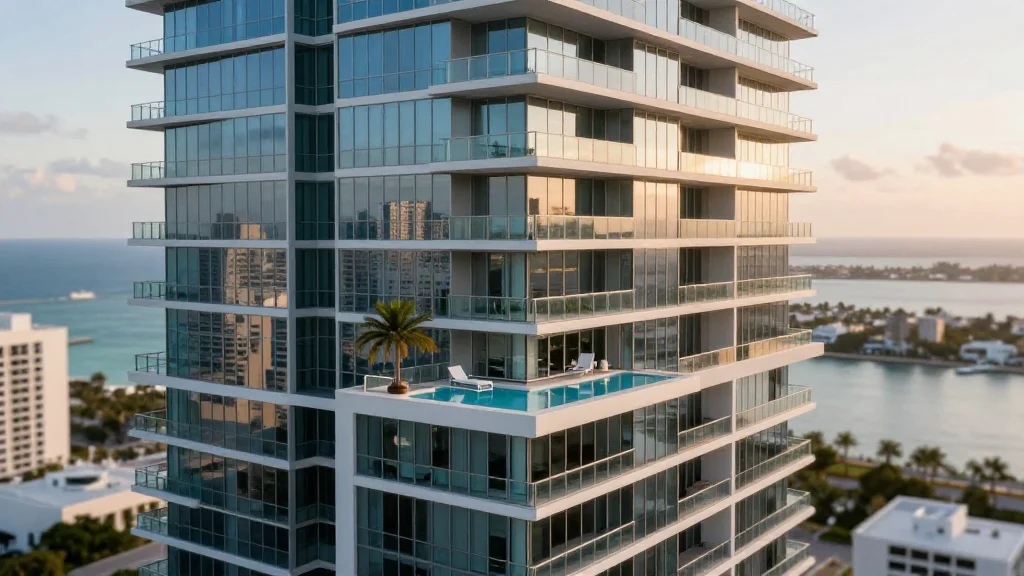
Purpose‑Built Short‑Term Rental Towers Multiply Across Miami Neighborhoods

Companies Mentioned

Why It Matters
The surge of purpose‑built short‑term rental towers signals a structural shift in Miami’s hospitality supply, moving away from traditional hotel models toward condo‑hotel hybrids that blend investment appeal with flexible leasing. This shift could reshape occupancy patterns, pricing dynamics, and the competitive set for legacy hotels, especially during marquee events like Formula One and the World Cup. At the same time, the rapid expansion raises policy questions about housing affordability, neighborhood stability, and the appropriate regulatory framework for short‑term rentals, issues that other tourism‑heavy cities are also grappling with. If Miami’s regulators tilt toward stricter caps on short‑term permits, developers may pivot to longer‑stay models or integrate affordable‑housing components, potentially altering the city’s growth trajectory. Conversely, a permissive stance could accelerate the conversion of hotel‑grade inventory into investor‑driven rental units, reshaping the city’s tax base and community fabric.
Key Takeaways
- •Over a dozen purpose‑built short‑term rental towers are completed, under construction or planned in Miami and Miami Beach.
- •NoMad Residences Wynwood, a 329‑unit Hilton‑owned building, opened this week with units priced $680K‑$1M.
- •Developers require special permits and hotel‑zone land to build these condo‑hotel hybrids.
- •City officials, led by Miami Beach Commissioner Alex Fernandez, warn the model drives up rents and reduces affordable housing.
- •Upcoming projects like Edge House and Elle Residences target stays of up to 30 days and six months respectively.
Pulse Analysis
Miami’s short‑term rental tower boom reflects a broader post‑pandemic trend where investors seek high‑yield, asset‑light exposure to tourism demand. By bundling hotel‑grade amenities with ownership rights, developers create a product that appeals to both domestic and international buyers looking for a dual‑purpose asset: a personal pied‑a‑terre and a revenue‑generating vacation rental. This model leverages Miami’s event calendar—Formula One, Ultra Music Festival, the World Cup—to guarantee a steady stream of high‑spending guests, allowing owners to achieve occupancy rates that rival boutique hotels.
However, the rapid supply increase could saturate the market, pressuring nightly rates and potentially eroding the premium that traditional hotels command. Moreover, the regulatory friction highlighted by Commissioner Fernandez underscores a looming policy headwind. Cities that impose caps on nightly rentals or require a percentage of units for affordable housing could blunt the profitability of these projects, forcing developers to redesign financial models or shift toward longer‑term leases. The tension between investor appetite and community needs will likely dictate whether Miami’s short‑term rental towers become a lasting fixture or a transient wave.
In the medium term, the success of these towers will hinge on how developers balance design differentiation—evident in the NoMad’s vibrant interiors—with compliance and community integration. If they can demonstrate that these buildings contribute to the local economy without displacing residents, the model may gain broader acceptance and set a template for other coastal markets seeking to monetize tourism while preserving housing stability.
Purpose‑Built Short‑Term Rental Towers Multiply Across Miami Neighborhoods
Comments
Want to join the conversation?
Loading comments...