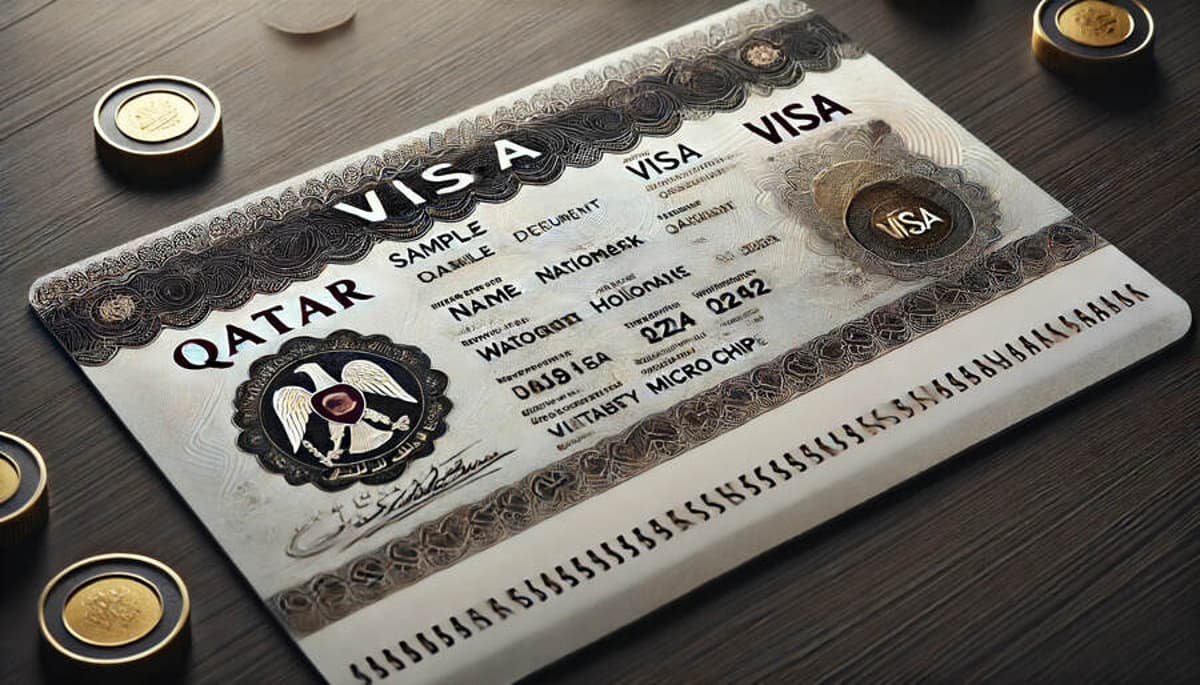
Qatar Acts Quickly to Protect Stranded Travelers Extending Visas and Offering Accommodation Relief
•March 3, 2026
0
Why It Matters
The swift visa and accommodation relief safeguards Qatar’s tourism revenue and demonstrates crisis‑responsive governance, setting a benchmark for regional travel resilience.
Key Takeaways
- •Visa extensions free for expirations Feb 28–Mar 3, 2026
- •Qatar Airways offers free rescheduling up to 14 days
- •Hotels provide discounted rates for stranded visitors
- •UAE supplies alternative flights for affected travelers
- •Regional rivals also extend visas, easing travel disruption
Pulse Analysis
The sudden closure of Qatar’s airspace on Feb 28, 2026, triggered by escalating Iran‑US tensions, left thousands of tourists, business travelers and transit passengers in limbo. In response, the Ministry of Interior moved quickly to automatically extend all entry visas set to expire within a five‑day window, eliminating fees and preventing legal penalties for those caught abroad. This policy not only protects individual travelers but also signals to the global market that Qatar is prepared to uphold its hospitality standards even under geopolitical strain.
Airlines and hospitality providers have mirrored the government’s proactive stance. Qatar Airways rolled out a no‑charge rescheduling program, allowing passengers to shift flights up to two weeks later or claim refunds, thereby preserving customer goodwill and reducing revenue loss. Simultaneously, Doha’s hotel sector was asked to lower rates for stranded guests, cushioning the financial blow and keeping occupancy levels stable. Together, these measures help sustain tourism cash flow, protect employment in service sectors, and reinforce confidence among future visitors.
Beyond Qatar’s borders, the episode has sparked a wave of regional cooperation. The UAE opened exceptional flights from Dubai to evacuate affected travelers, while Southeast Asian nations such as Thailand, Malaysia and Singapore introduced comparable visa extensions. This collaborative approach underscores a growing recognition that swift, coordinated relief can mitigate broader supply‑chain disruptions in the travel industry. As airspace restrictions ease, Qatar’s crisis‑management playbook may become a reference model for handling future geopolitical shocks while preserving the long‑term health of its tourism ecosystem.
Qatar Acts Quickly to Protect Stranded Travelers Extending Visas and Offering Accommodation Relief
0
Comments
Want to join the conversation?
Loading comments...