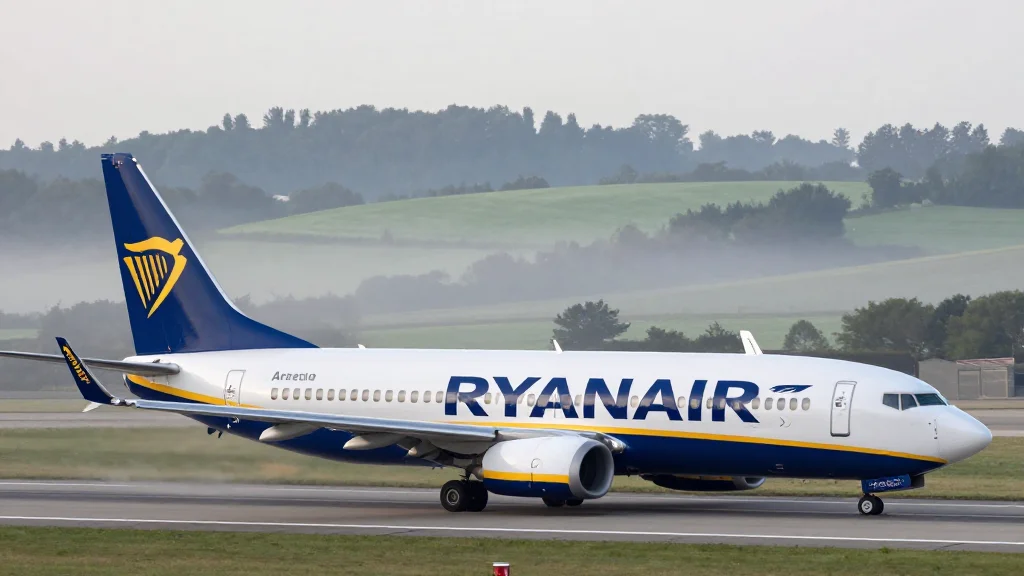
Ryanair Threatens Belgian Capacity Cuts Over Planned Aviation Tax Hike
Companies Mentioned
Why It Matters
Higher taxes threaten airline capacity, potentially curbing tourism, jobs and regional connectivity while forcing governments to balance climate goals with economic impact.
Key Takeaways
- •Ryanair may cut 20 Belgian routes, removing five aircraft.
- •Tax hike doubles from €5 to €10 per passenger (~$11).
- •Potential loss of 2 million passengers and 150 jobs in Charleroi.
- •Airlines shifting capacity to lower‑tax European markets.
- •Belgium’s tax decision could set precedent for EU aviation policy.
Pulse Analysis
The proposed Belgian aviation tax increase illustrates how fiscal policy can directly reshape airline networks. Ryanair’s threat to withdraw five aircraft and cancel 20 routes reflects its cost‑sensitivity; the carrier calculates that the additional €5 per passenger erodes profit margins enough to justify a two‑million‑passenger annual loss. Beyond the immediate job impact in Charleroi, the move could depress ancillary revenues for airports, hotels and tourism operators that rely on low‑cost traffic, underscoring the broader economic ripple of tax decisions.
Across Europe, similar tax and fee hikes have already prompted capacity shifts. In Germany, higher levies have nudged Ryanair and rivals toward Italy and Poland, where airport incentives remain attractive. The Netherlands’ capacity caps at Schiphol and France’s environmental taxes have led carriers to prioritize routes with stronger demand elasticity. The United Kingdom’s long‑standing Air Passenger Duty continues to be a point of contention, while Sweden’s reversal of its aviation tax after airlines warned of traffic loss serves as a cautionary tale. These examples show a pattern: airlines systematically reallocate aircraft to jurisdictions with friendlier cost structures.
For policymakers, the Belgian debate raises a strategic dilemma. While aviation taxes can generate revenue and incentivize greener practices, they also risk eroding the competitive advantage that low‑cost carriers provide to regional economies. If Belgium proceeds, it may lose market share to neighboring countries, potentially prompting a broader EU discussion on harmonizing aviation levies. Airlines, meanwhile, are sharpening their focus on cost‑efficient growth, leveraging tax differentials to shape route networks. The outcome will likely influence how other governments calibrate fiscal tools against the backdrop of climate targets and the economic imperatives of the aviation sector.
Ryanair Threatens Belgian Capacity Cuts Over Planned Aviation Tax Hike
Comments
Want to join the conversation?
Loading comments...