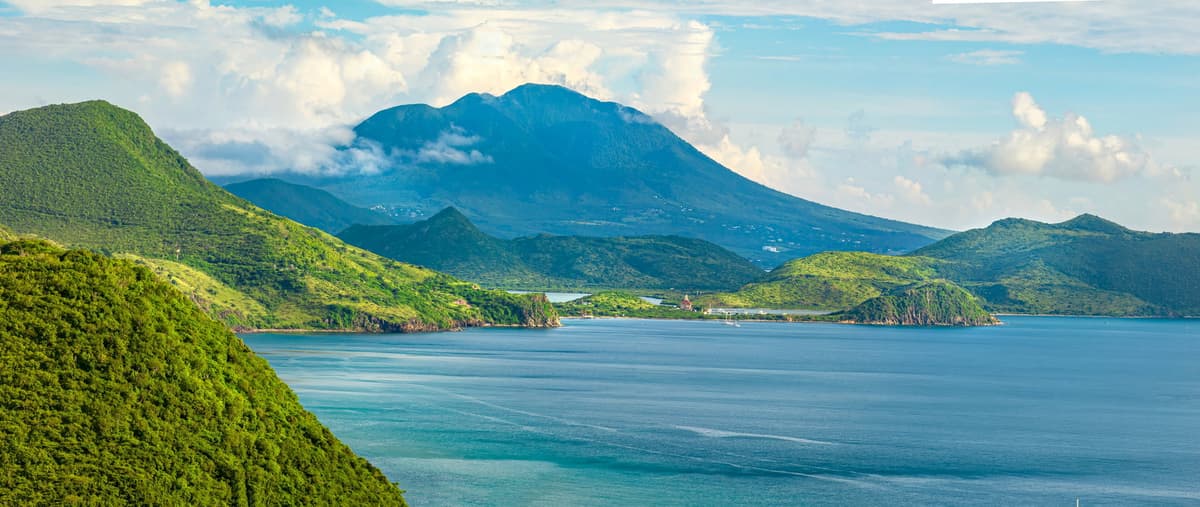
Saint Kitts Creates New Dive Attraction for Visitors
Companies Mentioned
Why It Matters
The wreck creates a unique, sustainable tourism product that draws higher‑spending visitors while enhancing coral and fish habitats, boosting both the local economy and marine health.
Key Takeaways
- •Decommissioned aircraft sunk at Potato Bay creates new wreck dive
- •Project funded by Sylvester Williams and local government partnership
- •Artificial reef expected to boost coral and fish populations
- •All St. Kitts dive operators now offer trips to the site
- •Direct flights from London to St. Kitts facilitate visitor access
Pulse Analysis
Caribbean islands have long leveraged their crystal‑clear waters to attract adventure‑seeking travelers, and artificial reefs are becoming a cornerstone of that strategy. By converting retired aircraft into underwater habitats, destinations can accelerate reef development, offering divers novel sites while fostering biodiversity. The practice also mitigates pressure on natural reefs, distributing tourist footfall more evenly across the marine environment. Saint Kitts’ latest addition follows successful examples in the Bahamas and Belize, positioning the island as a forward‑thinking player in sustainable marine tourism.
The wreck‑dive project was a coordinated effort among Sylvester Williams, who donated the aircraft, Island Auto Supplies, and several government ministries. After a rigorous inspection that removed all fuel and oil, an independent environmental assessment cleared the submersion. St. Kitts Marine Works handled the logistics, and Kenneth Dive Center ensured the wreck’s placement was safe and accessible. This collaborative model demonstrates how private philanthropy and public oversight can create low‑impact attractions that meet both ecological standards and visitor expectations.
Economically, the new dive site expands Saint Kitts’ tourism portfolio, encouraging longer stays and higher per‑guest spend. Direct British Airways flights from London Gatwick make the island reachable for European tourists, while local dive operators can market a unique experience that differentiates the market. As the artificial reef matures, it is expected to attract a broader array of marine life, further enhancing the site’s appeal and supporting ancillary businesses such as charter boats, hotels, and eco‑tour operators. The initiative exemplifies how sustainable attractions can drive growth without compromising the very ecosystems that make the Caribbean a coveted destination.
Saint Kitts creates new dive attraction for visitors
Comments
Want to join the conversation?
Loading comments...